
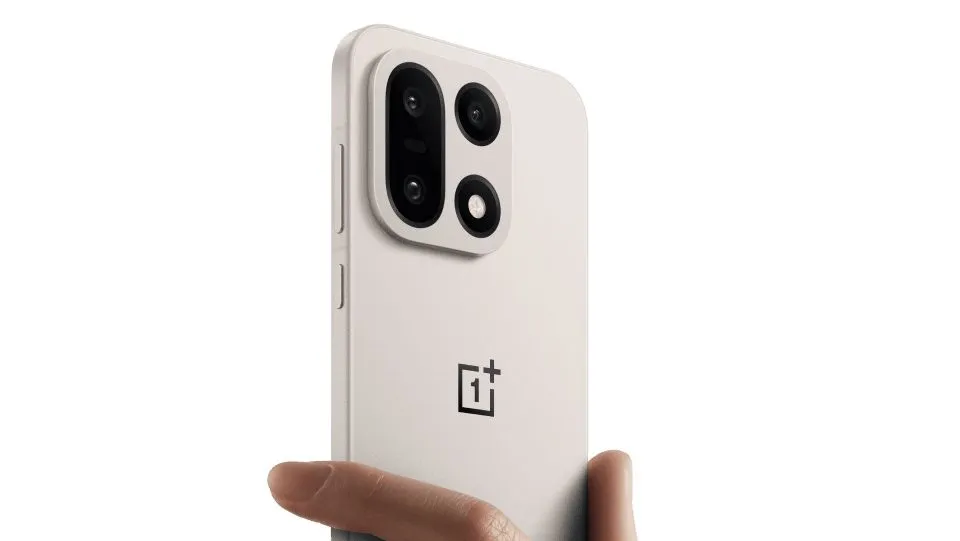
Update July 16, 2026 (3:00 am PT):OnePlus said that the company won’t launch new products in Europe and North America.
“After careful assessment, OnePlus will no longer launch new products in Europe and North America. All users’ rights and interests, including after-sales support and software updates, will remain fully guaranteed,” it said in a statement to TechCrunch.
Key Takeaways
- OnePlus has officially confirmed its cessation of new product launches in Europe and North America, signaling a major strategic retreat from key Western markets.
- This decision is part of a broader corporate restructuring by parent company Oppo, which also affects operations in India.
- Existing OnePlus customers in these regions are assured that all after-sales support, warranty fulfillment, and software updates will continue to be fully guaranteed.
OnePlus Retreats: The End of an Era for Western Smartphone Markets
In a move that reverberates across the global smartphone industry and will undoubtedly disappoint a dedicated legion of fans, Android phone maker OnePlus has officially announced its withdrawal from new product launches in Europe and North America. The company, once lauded as a “flagship killer” for its high-specification, yet affordably priced devices, confirmed the news exclusively to TechCrunch. This follows earlier reports from Bloomberg that indicated a significant corporate realignment by its parent company, Oppo. The decision marks a pivotal moment for OnePlus, signaling a dramatic shift away from its once-ambitious global expansion strategy.
Official Confirmation and Customer Assurance
The confirmation from OnePlus arrived swiftly, directly addressing the speculation. The company stated, “After careful assessment, OnePlus will no longer launch new products in Europe and North America. All users’ rights and interests, including after-sales support and software updates, will remain fully guaranteed.” This proactive statement is clearly designed to allay immediate concerns among current device owners, ensuring them of continued service for their existing phones. This includes essential aspects such as warranty claims, technical support, and the provision of critical security and feature updates. While this assurance offers some peace of mind, the news nonetheless leaves a palpable void for enthusiasts who eagerly anticipated the arrival of future OnePlus flagships and Nord series devices in these significant Western markets.
A Broader Retreat: Beyond Western Shores
The withdrawal from Europe and North America is not an isolated event but rather a critical component of a more extensive corporate restructuring plan initiated by Oppo. According to Bloomberg’s comprehensive report, which cited sources with direct knowledge of the matter, this strategic pivot also encompasses winding down OnePlus operations in India. India has historically been one of OnePlus’s largest and most crucial markets outside of its home base in China, making this aspect of the retreat particularly impactful. Such widespread consolidation underscores a fundamental reassessment of global market priorities and operational efficiencies within the Oppo conglomerate, significantly impacting the presence of one of its most recognizable sub-brands across multiple continents. This global scaling back suggests a deeper, more calculated strategic shift rather than a simple regional adjustment.
The Rise and Wane of a “Flagship Killer”
To truly grasp the gravity of this corporate retreat, it’s essential to revisit the origins and meteoric rise of OnePlus. Founded in 2013 by Pete Lau and Carl Pei, the company swiftly carved out a distinctive niche in the intensely competitive Android landscape. Its initial mission was refreshingly clear and ambitious: to craft high-performance, premium Android phones that offered exceptional value, directly challenging the often-exorbitant prices of flagships from entrenched giants like Samsung and Apple. Adopting the evocative slogan “Never Settle,” OnePlus rapidly cultivated a passionate global community of tech enthusiasts. These early adopters were drawn to its minimalist yet powerful software (OxygenOS), cutting-edge specifications, and, in its nascent stages, an exclusive invitation-only purchasing model that fostered a sense of community and exclusivity.
The company’s aggressive and well-executed global expansion saw it quickly gain significant traction, particularly in the discerning markets of the United States, Europe, and India. Its early devices, such as the groundbreaking OnePlus One and the critically acclaimed OnePlus 3, swiftly ascended to cult status among tech aficionados, celebrated for their unparalleled performance-to-price ratio. However, as the brand matured and sought to compete on an even broader scale, its product strategy inevitably evolved. The prices of its flagship phones began a steady ascent, gradually eroding its original “affordable flagship” appeal. In response to this, OnePlus diversified its portfolio with the strategic introduction of the more budget-friendly Nord series, a deliberate effort to capture a broader segment of the market without entirely alienating its core base of premium-seeking users. This period of strategic evolution also coincided with the high-profile departure of co-founder Carl Pei in 2020, who subsequently ventured to launch Nothing, another ambitious company aimed at disrupting the consumer technology space with a similar spirit of innovation.
Over the intervening years, the operational and branding lines between OnePlus and its formidable parent company, Oppo, began to perceptibly blur. While OnePlus initially operated with a considerable degree of autonomy, there was an observable increase in the integration of various functions, including research and development, supply chain management, and even core software teams. This synergy was ostensibly intended to leverage Oppo’s vast resources and scale, thereby enhancing OnePlus’s capabilities. However, for a segment of its long-time fan base, this increased integration arguably led to a gradual dilution of OnePlus’s distinct identity and its unique selling propositions, which had originally set it apart from the broader market.
Navigating a Global Tech Storm: Market Headwinds and Oppo’s Struggles
The decisive action to scale back OnePlus’s international presence is not merely a consequence of internal corporate reshuffling but a direct and pragmatic response to an exceptionally challenging global economic and technological landscape. The consumer electronics market as a whole has been grappling with a confluence of formidable headwinds. These include stubbornly rising prices for critical components and finished goods, a situation severely exacerbated by persistent and unpredictable global supply chain disruptions that have plagued industries worldwide.
A particularly significant and widely impactful factor affecting the entire smartphone industry is the ongoing phenomenon dubbed “RAMageddon” – a widely reported and critical shortage of memory chips. This scarcity has not only driven up manufacturing costs across the board but has also severely constrained production volumes for all manufacturers, making it increasingly difficult for brands to meet demand efficiently or maintain their competitive pricing strategies. Leading analytics firms such as IDC and Counterpoint have painted a grim picture for the year 2026, forecasting a substantial decline in global smartphone shipments. Estimates suggest this downturn could exceed 13% year-over-year. This significant contraction in demand is attributed to a complex interplay of factors: persistent chip shortages, inflationary pressures that are significantly impacting consumer spending power, and a growing trend among consumers to simply hold onto their existing devices for longer periods before considering an upgrade.
Oppo, as the parent company and a major global player itself, has certainly not been immune to these overarching market pressures. Counterpoint’s report for the second quarter of 2026 clearly highlighted a worrying double-digit shipment decline year-over-year for Oppo, indicating a pronounced “softness across most of its key markets” largely attributable to weak consumer demand. Furthermore, in highly competitive and saturated regions like the U.S., OnePlus’s market share had already dwindled to a marginal figure below 1% last year, according to granular Counterpoint data. In such a turbulent economic environment, sustaining costly operations and significant investment in markets where brand recognition and market share are minimal becomes increasingly difficult, economically unviable, and strategically indefensible.
Strategic Realignment: A Focused Future for Oppo’s Brands
This comprehensive strategic retreat suggests a calculated and deliberate move by Oppo to consolidate its valuable resources and intensify its focus on regions where its various sub-brands, including Oppo and Realme, demonstrably exhibit stronger performance and possess greater growth potential. The Bloomberg report explicitly indicated that OnePlus itself will continue to operate robustly within China, its home market. In its domestic stronghold, OnePlus presumably faces fewer logistical complexities, less intense competitive pressures from diverse international players, and benefits from an established distribution network and brand recognition.
Moreover, Oppo plans to strategically emphasize its Realme brand in specific international markets where it has already achieved demonstrable success, citing regions such as the Nordic countries as prime examples. Realme, which is typically positioned as a more youth-oriented and aggressively priced alternative, may be perceived as a more viable and agile option for capturing significant market share in targeted international territories. In these markets, OnePlus has struggled to maintain significant momentum against both established premium players and an increasingly capable array of budget-friendly offerings. This refined, dual-brand strategy allows Oppo to allocate its considerable efforts and investments more efficiently, intelligently leveraging the inherent strengths of each brand in specifically targeted geographic segments, rather than thinly spreading resources across too many fronts.
Maurice Klaehne, a senior research analyst at Counterpoint, provided a succinct and insightful summary of this profound shift in an interview with TechCrunch: “OnePlus built its name as the ‘flagship killer’ — high-end specs, mid-range price, and aggressive global expansion. That growth era’s over. The company is now doubling down on China and retreating from the rest of the world.” This statement powerfully underscores the fundamental change in OnePlus’s operational philosophy and its significantly narrowed market scope, marking a clear pivot from global aspiration to regional consolidation.
The Bottom Line
OnePlus’s official departure from new product launches in Europe and North America signifies the conclusive end of an ambitious chapter for a brand that once epitomized disruptive innovation in the fiercely competitive smartphone industry. While existing users are thankfully protected by ongoing support commitments, the wider market loses a unique and spirited competitor, potentially contributing to further consolidation of power among the remaining tech giants. This strategic retreat by Oppo reflects a harsh and unavoidable reality of the current global tech landscape: intense competition, pervasive economic volatility, and inherent supply chain fragility are collectively forcing even well-established players to make difficult, pragmatic strategic choices, ultimately prioritizing focused resilience and profitability over expansive, but unsustainable, global reach in an increasingly challenging market environment.
When you purchase through links in our articles, we may earn a small commission. This doesn’t affect our editorial independence.
{content}
Source:{feed_title}