
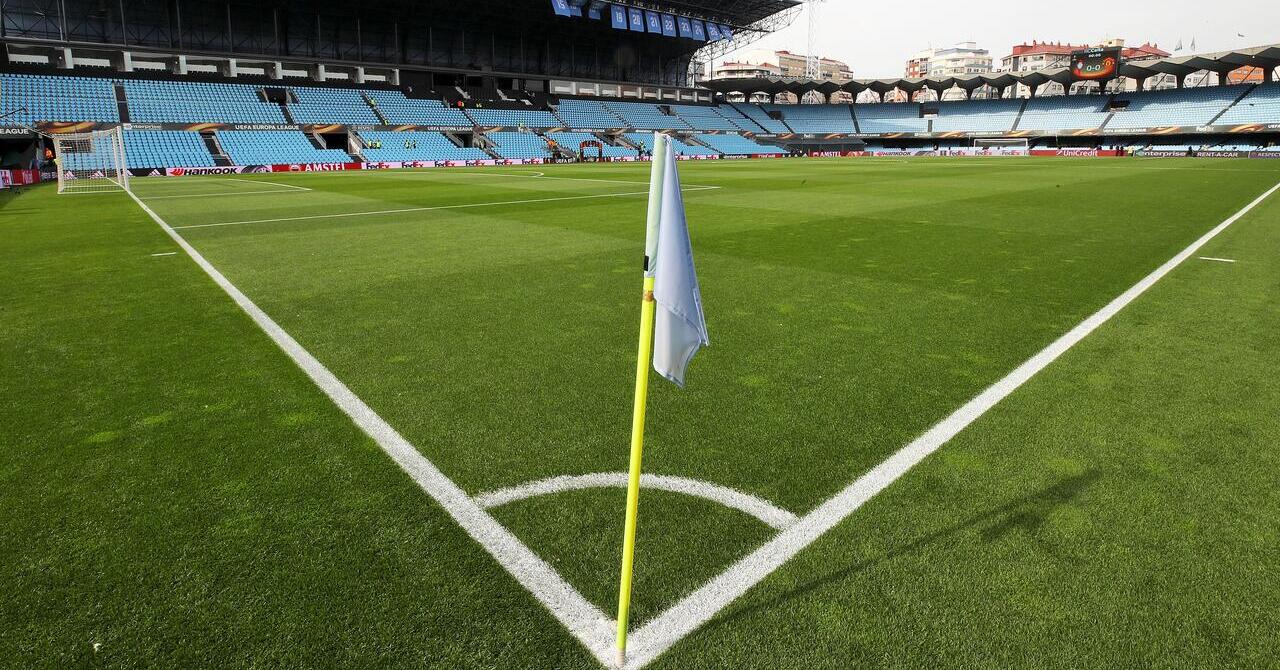
Balaídos Breathes, But the Beautiful Game Suffers – La Liga Opener Derailed by Fungal Fury!
The roar of the crowd, the crisp crack of the ball, the electric anticipation of a new La Liga season – all put on ice at Estadio de Balaídos! Celta Vigo’s highly anticipated opening fixture against Osasuna, originally slated for Sunday, has been dramatically postponed, not by player strikes or scheduling conflicts, but by a severe fungal disease that has rendered the pitch utterly unfit for top-flight football. This isn’t just a minor delay; it’s a significant disruption that sends ripples through both clubs and raises serious questions about league oversight.
Initially scheduled for a prime Sunday evening slot (20:30 BST), the match fell victim to an unwelcome intruder: a rampant fungus, exacerbated by recent scorching weather. La Liga officials, following a Wednesday pitch inspection, confirmed the grim prognosis. High heat and consistent temperatures in the mid-to-high 20s created a perfect storm, transforming what should be a pristine playing surface into a hazardous patchwork. The fixture has now been unceremoniously shunted to Thursday, August 27th, at 19:30 BST – a reschedule that has ignited a firestorm of controversy.
Celta Vigo, in their official statement, attempted to clarify the situation, explaining: “La Liga agreed this morning, in coordination with the clubs and the RFEF, to postpone the match that was scheduled to face Celta and CA Osasuna this coming Sunday at Abanca Balaidos due to a disease that has affected the stadium’s turf, which is currently unfit for football.” While earlier assessments had certified the pitch as safe, the club conceded that “The weather conditions of the past few days have had an adverse effect on the good progress of the field and led to the decision to postpone the match.” It’s a statement that seeks to manage expectations, yet inadvertently highlights a critical vulnerability in modern stadium management – the delicate balance of nature versus the demands of professional sport.
Osasuna’s Outcry: A League Under Fire
If Celta’s message was one of reluctant acceptance, Osasuna’s response was an explosive volley of indignation. Their “complete disagreement” with the August 27th date was palpable, not least because the club vehemently claimed that both teams had previously concurred on a September 24th or 25th slot during the international break. This isn’t merely a disagreement over dates; it’s a fundamental breakdown in communication and respect, laying bare the potential for discord within the league’s administrative processes.
Osasuna didn’t hold back in their official statement, launching a scathing critique: “For a competition like Spain’s La Liga to decide on a postponement on a Thursday, three days before a match, follows the pattern of last-minute scheduling changes to which we have unfortunately become accustomed due to a lack of foresight and professionalism.” This is more than just a complaint; it’s an indictment of perceived systemic flaws within La Liga itself. The club further lambasted the league, stating: “Nor can such a decision be presented as an act ‘in coordination with the clubs’. And all this just over 48 hours before that team is scheduled to fly to Vigo. This isn’t football, it’s La Liga.” That final, searing line encapsulates the frustration of clubs who feel marginalized and disrespected by the very body meant to govern and support them. It speaks volumes about the logistical nightmares, financial implications, and psychological toll such last-minute changes inflict upon professional teams.
For Celta, the postponement means a delay to their home debut and a disruption to their initial season rhythm. The pristine conditions they strive for are gone, replaced by the ghost of a damaged pitch. For Osasuna, it’s a logistical nightmare, impacting travel plans, player preparations, and potentially their psychological readiness. The momentum built during pre-season can dissipate quickly when faced with such unforeseen hurdles.
Game Highlights (Anticipating the Rescheduled Clash)
While the initial kickoff remains elusive, the eventual showdown between Celta and Osasuna promises a fascinating tactical battle. When the whistle *does* finally blow on August 27th, expect fireworks as both teams look to make a strong opening statement after this tumultuous prelude.
- Celta’s Creative Core:All eyes will be on talismanic captain Iago Aspas. Even with the pitch issues, Aspas’s innate ability to conjure magic from thin air remains Celta’s primary offensive weapon. Supported by new arrivals and the ever-industrious Oscar Mingueza, Celta will likely aim to dominate possession and exploit wide areas. Their midfield, under the guidance of Rafa Benítez, will be tasked with controlling the tempo and feeding their forward line. Look for quick, incisive passing movements around the box.
- Osasuna’s Resilience and Counter-Punch:Jagoba Arrasate’s Osasuna are renowned for their defensive solidity and disciplined structure. They will aim to frustrate Celta, absorb pressure, and hit hard on the counter-attack. Ante Budimir, with his aerial prowess and clinical finishing, will be key to their attacking endeavors. The midfield battle will be crucial, with Osasuna’s gritty engine room looking to disrupt Celta’s rhythm and win back possession in dangerous areas. Set pieces could also be a major factor, given Osasuna’s physicality.
- The Psychological Edge:The impact of the postponement itself cannot be underestimated. Will Celta feel added pressure playing their delayed opener at home? Or will the extra preparation time work in their favour? For Osasuna, overcoming the travel disruption and perceived disrespect might fuel a more determined, aggressive performance. The team that manages these psychological challenges best will likely gain a significant advantage.
Prediction
The saga surrounding this postponement has undoubtedly injected an unpredictable element into an already high-stakes La Liga opener. While Celta Vigo will enjoy home advantage, the disruption to their preparations and the pressure to perform on a potentially less-than-perfect pitch could be a factor. Osasuna’s vocal discontent suggests a side that will arrive in Balaídos with a point to prove, fueled by a sense of injustice. Their renowned defensive organization, coupled with their ability to exploit chaotic situations, makes them a dangerous prospect.
Given the emotional backdrop and the tactical discipline of Jagoba Arrasate’s men, I foresee a tightly contested affair. Celta will push, driven by Aspas, but Osasuna will be resolute. The psychological edge, born from the frustration of the postponement, might just tip the scales. I predict a hard-fought draw:Celta Vigo 1 – 1 Osasuna. The points will be shared, but the reverberations of this chaotic start to the season will linger far longer than the final whistle.