
Situational Awareness, the AI focused hedge fund that was Wall Street’s fleeting obsession, is having a very bad month.
The company, led by twentysomething OpenAI alum Leopold Aschenbrenner, went all-in on a variety of AI investments and, for a period, enjoyed phenomenal growth. Then, at the end of July, a downturn in AI stocks erased billions of dollars in value at the firm. Now, federal regulators are reportedly probing the company as well.
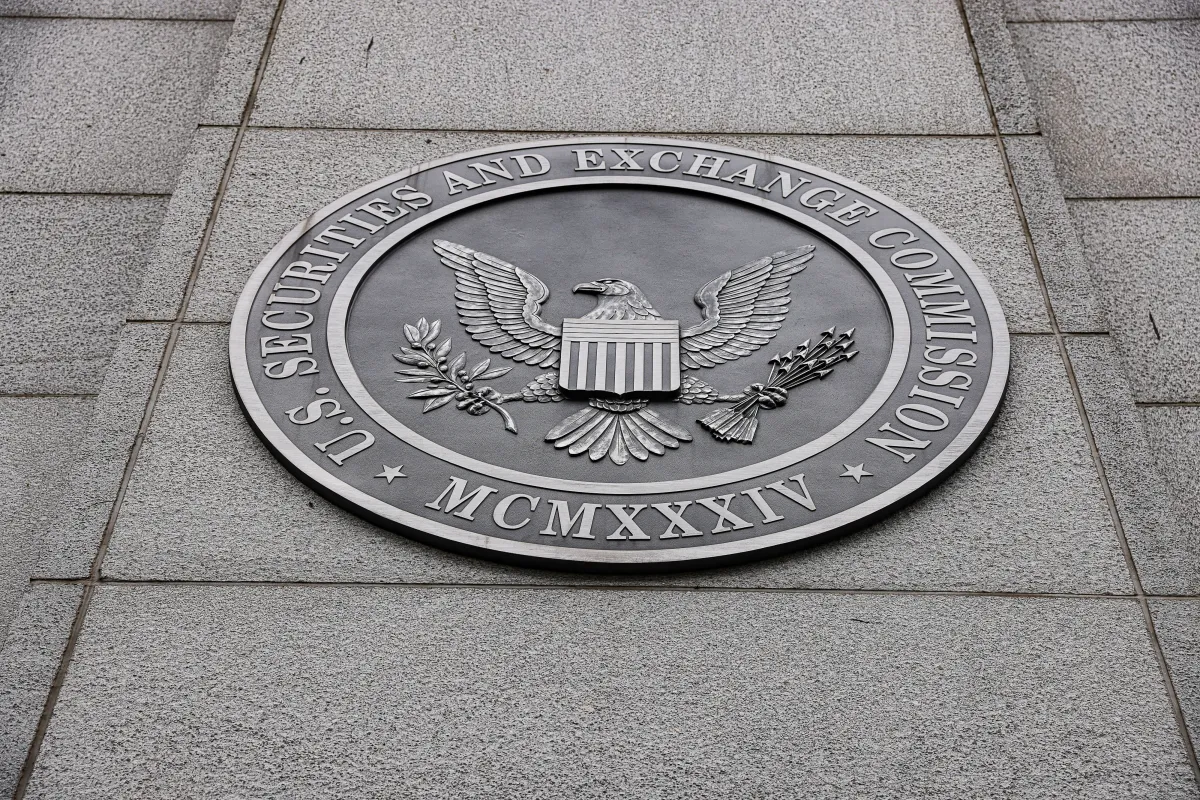
The New York Times reports that the Securities and Exchange Commission has been subpoenaing banks that did business with the hedge fund. The subpoenas focus on the banks that supervised the fund’s trading and that channeled funding to support it, the outlet says.
The government reportedly warned the banks to “preserve any information” about the hedge fund, though it noted that Situational Awareness has not been accused of any wrongdoing.
Situational Awareness did not respond to TechCrunch’s request for comment but told the Times that scrutiny of high-profile funds is to be expected, and that it would “cooperate to the fullest extent with any regulatory request.”
The company, which very publicly hitched its wagon to AI’s star, may serve as a cautionary tale about the industry’s supposedly unstoppable trajectory.
{content}
Key Takeaways:
- AI-focused hedge fund Situational Awareness, once a Wall Street darling, has suffered massive losses as a downturn in AI stocks erased billions in value.
- Federal regulators, specifically the SEC, are now probing the fund, subpoenaing banks involved in its trading and funding activities.
- The fund’s dramatic rise and sudden stumble serve as a stark warning about the speculative nature and inherent risks of concentrated investments in the burgeoning AI sector.
Once hailed as the epitome of a new era in finance, an artificial intelligence-focused hedge fund that rocketed to prominence is now experiencing a precipitous fall from grace. Situational Awareness, a firm that captured the imaginations of investors and the media alike, finds itself entangled in a perfect storm of market downturns and federal scrutiny. Its rapid ascent, spearheaded by a charismatic young founder, is now being overshadowed by a very public and financially painful reckoning.
The AI Wunderkind’s Wild Ride: From OpenAI to Wall Street Obsession
At the helm of Situational Awareness is Leopold Aschenbrenner, a twentysomething OpenAI alum whose pedigree immediately lent an air of cutting-edge expertise to his venture. In an investment climate increasingly enamored with the transformative potential of artificial intelligence, Aschenbrenner and his fund quickly became Wall Street’s fleeting obsession. Betting big – going “all-in,” as the market often describes it – on a concentrated portfolio of AI investments, Situational Awareness enjoyed a period of truly phenomenal growth. Its strategy, though highly aggressive, seemed to justify the hype, validating the belief that a new generation of tech-savvy financiers could harness the AI revolution for unparalleled returns. The narrative was compelling: a young genius, fresh from the frontier of AI research, was now demonstrating how to turn that insight into staggering wealth, attracting significant capital and widespread admiration.
From Billions to Bust: A Market Correction’s Harsh Reality
However, the seemingly unstoppable trajectory of AI stocks hit a significant bump in the road. As July drew to a close, a broader market downturn, specifically impacting the high-flying AI sector, delivered a brutal blow to Situational Awareness. Billions of dollars in value were erased from the firm’s coffers in a dizzying span, demonstrating the inherent volatility and speculative nature of highly concentrated bets in nascent, albeit promising, technological fields. The rapid reversal served as a stark reminder that even the most innovative sectors are not immune to market corrections, profit-taking, or the sudden re-evaluation of growth forecasts. For a fund that had built its reputation on aggressive, singular focus, the lack of diversification proved to be a critical vulnerability when the tide of market enthusiasm began to recede.
The Feds Come Calling: Scrutiny in the AI Gold Rush
Adding to Situational Awareness’s woes, federal regulators have now reportedly launched a probe into the company’s operations. The New York Times broke the news that the Securities and Exchange Commission (SEC) has been issuing subpoenas to banks that conducted business with the hedge fund. These subpoenas are specifically targeting institutions that not only supervised the fund’s trading activities but also channeled crucial funding to support its ambitious investment strategy. The government has reportedly instructed these banks to “preserve any information” related to Situational Awareness, signaling a serious and comprehensive inquiry. While it’s crucial to note that the firm “has not been accused of any wrongdoing” at this stage, an SEC investigation into a high-profile, rapidly growing (and then rapidly shrinking) fund often raises questions about compliance, risk management, and the transparency of its trading practices. Such regulatory scrutiny, even without formal charges, can inflict significant reputational damage and divert critical resources.
In response to the escalating situation, Situational Awareness did not immediately comment to TechCrunch. However, the firm conveyed to The New York Times that it views such scrutiny of high-profile funds as “to be expected” and affirmed its commitment to “cooperate to the fullest extent with any regulatory request.”
Beyond Situational Awareness: A Warning for the Wider AI Investment Landscape
The saga of Situational Awareness is poised to become a significant cautionary tale, echoing past periods of “irrational exuberance” in tech booms from the dot-com bubble to the crypto frenzy. The company, by very publicly hitching its wagon to AI’s star, has inadvertently highlighted the critical difference between the long-term, foundational potential of artificial intelligence and the short-term, often speculative, investment plays built around it. Its experience underscores the immense pressure on funds and investors to chase the next big thing, often at the expense of traditional risk management principles like diversification. For the broader AI industry, this serves as a potent reminder that even the most revolutionary technologies are subject to market cycles and regulatory oversight. It prompts essential questions about due diligence, the maturity of investment strategies in emerging sectors, and the potential for a new generation of ‘wunderkinds’ to overestimate their ability to defy economic gravity. The dramatic unraveling of Situational Awareness could well temper the unchecked optimism that has characterized much of the AI investment landscape, encouraging a more measured and sustainable approach to capitalizing on this transformative technology.
Bottom Line:
The swift rise and even swifter stumble of Situational Awareness serve as a vivid illustration of the high stakes and inherent risks in the burgeoning AI investment sector. From initial investor infatuation to a multibillion-dollar market correction and now a federal probe, the fund’s trajectory is a stark reminder that even the most promising technological paradigms are not immune to market volatility and regulatory oversight. Its story will undoubtedly be dissected for lessons on concentrated bets, responsible growth, and the crucial balance between innovation and financial prudence in the ongoing AI gold rush.
Source:{feed_title}