
The U.S. Southern Command (SOUTHCOM) has reported its first lethal strike on a suspected narco-trafficking vessel in two months, and the inaugural operation under a newly established, permanent counter-cartel task force. This development coincides with reports indicating the United States plans to transfer MQ-9 Reaper drones to Colombia, aimed at intensifying its efforts against drug cartels in the region.
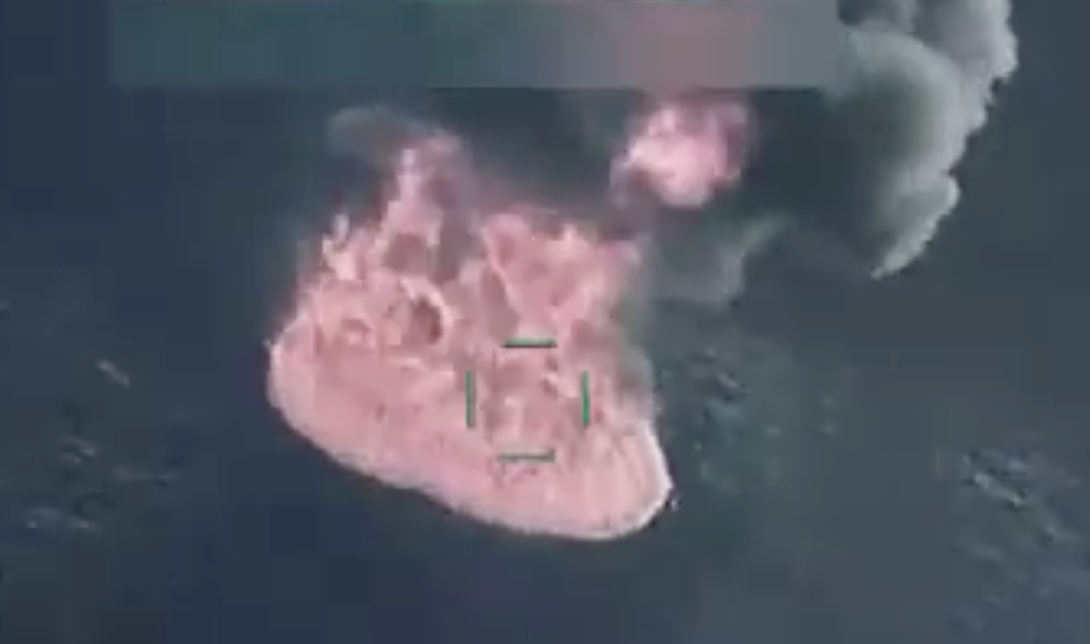
On August 23, Joint Task Force-Western Hemisphere (JTF-WH) conducted what it described as a “lethal kinetic strike” on a low-profile vessel. The incident occurred in the Eastern Pacific, along established narco-trafficking routes, and resulted in the deaths of two individuals identified by SOUTHCOM as alleged narco-terrorists, according to a social media post by the command on August 24, 2026. This marks a significant escalation in the U.S. military’s direct engagement in regional counter-narcotics operations.
Marine Corps Gen. Francis L. Donovan, commander of SOUTHCOM, issued a statement following the strike, emphasizing the strategic intent behind the new task force. “When I ordered the establishment of Joint Task Force-Western Hemisphere, it was precisely for this purpose: to accelerate, synchronize, and execute lethal actions against these destabilizing narco-terrorist networks,” Gen. Donovan stated. He added, “We are committed to imposing total systemic friction on narco-terrorists—disrupting their operations, dismantling their leadership, and eliminating cartel terror across the region.”
A spokesperson for SOUTHCOM declined to provide further details on the strike, citing operational security concerns. Air Forces Southern did not immediately respond to inquiries regarding the incident.
This recent strike contributes to a broader pattern of operations, with 67 reported strikes having occurred since September 2, 2025, resulting in 223 fatalities. While SOUTHCOM has not disclosed the specific assets used in these operations, many videos released by the command appear to originate from drone footage. MQ-9 drones are known to be stationed in the region, suggesting their potential involvement.
The first strike under the new task force comes shortly after a report by the Colombian newspaper El Colombiano on August 18, indicating that the U.S. plans to transfer three MQ-9 Reaper drones to Colombia. These advanced unmanned aerial vehicles are intended to aid Colombia in its intensifying struggle against drug cartels within the country.
Henry Ziemer, a fellow with the Americas Program at the Center for Strategic and International Studies, commented on the drone transfer, stating, “This transfer will also most likely require significant U.S. assistance on the training and doctrine side to allow Colombia to effectively integrate these platforms into their joint operations.”
According to retired Air Force Lt. Gen. Norm Seip, a former Air Forces Southern commander, allowing Colombia to operate its own MQ-9s would free up U.S. assets. This would enable SOUTHCOM, Special Operations Command-South, and the 12th Air Force to concentrate more on core intelligence, surveillance, and reconnaissance (ISR) activities in the region. Furthermore, having Colombian-controlled drones could expand the U.S. intelligence network, as their flights would likely be coordinated with AFSOUTH’s 612th Air Operations Center. The 612th AOC recently hosted Ecuadorian Air Force intelligence officers during PANAMAX, a major regional military exercise, underscoring efforts to enhance intelligence sharing and interoperability.
Beyond drones, SOUTHCOM maintains other strike capabilities in the region, including AC-130J gunships reportedly stationed at Comalapa, El Salvador, a location identified as a key hub for the Eastern Pacific air campaign targeting cartels, Ziemer noted.
Broader Strategic Shifts
The news of the drone transfer closely followed Colombia’s decision to join the Americas Counter Cartel Coalition. This 19-member group aligns with U.S. objectives to combat cartels across the Western Hemisphere. Colombia’s participation marks a significant step, as the nation had previously been a holdout from the coalition.
The transfer of MQ-9 drones to Colombia represents the first known instance of a Latin American nation being equipped with this type of advanced unmanned combat aerial vehicle. Colombia had previously begun arming its military’s smaller, tactical drones in response to an increase in criminal gang activity, including over 200 drone attacks on military personnel since 2024.
The more aggressive posture adopted by SOUTHCOM under JTF-WH is consistent with a shift in U.S. defense policy. A reorientation of the National Security Strategy and National Defense Strategy in the preceding year, under the administration of President Donald Trump, prioritized Western Hemisphere operations.
Further highlighting this strategic emphasis, during the PANAMAX exercise in Panama on August 12, students from the U.S. Naval War College’s Maritime Advanced Warfighting School presented an updated report to Gen. Donovan and Panamanian Minister of Public Security Frank Alexis Ábrego. The report, requested by Donovan, focused on developing a “joint, combined and interagency defense of identified strategic terrain in the region,” as per a Naval War College release.
Lt. Gen. Seip suggested that while such reports are not uncommon, this particular presentation served as an “optic” for the region. “It sends a couple of messages,” Seip explained. “One, to those that are thinking that it’s business as usual with regard to what they may be doing, that is not in line with how SOUTHCOM wants to do business. We’re out there looking at the strategic level of various things that are of our interest to the command… as well as certainly advertises to the United States taxpayers that, ‘hey SOUTHCOM is growing their game with capability, and here’s one way that we’re doing that’ from a standpoint of intellectual capital that’s being expended for this particular project.”
Although the specific “strategic terrain” was not publicly identified in the release, Ziemer posited that its presentation in Panama during a major exercise likely indicates a focus on the Panama Canal and other critical infrastructure. “It does reflect a growing interest in SOUTHCOM’s area of responsibility from a U.S. defense planning perspective,” Ziemer concluded.
Effectiveness of Strikes Questioned
Despite the recent lethal strike, Gen. Donovan himself testified to Congress in March that kinetic strikes on drug vessels might not be the most effective component of the overall counter-cartel strategy. “Putting total systemic friction from point of production to point of delivery … I believe that actually kinetic strikes will be one of the many tools, and probably not the most effective tool, when we actually look at it as more of a campaign approach,” Donovan stated at the time.
Lt. Gen. Seip concurred with Donovan’s assessment regarding the limited effectiveness of strikes as a primary tool but acknowledged their role in creating systemic friction. He elaborated that such strikes, regardless of public opinion, may align with the broader objectives of sending a clear message: “You will not be allowed to operate and roam freely in the waters of South and Central America without consequences.”
While experts generally agree that these strikes have not substantially reduced the flow of illicit drugs into the United States, their continuation is anticipated. Ziemer commented, “Neither the White House nor SOUTHCOM wants to foreclose the option to carry out future strikes against trafficking targets at sea, even as they recognize this strategy has not had the desired effect on drug trafficking flows.” He predicted that “going forward, I would expect to see these kinds of strikes continue, albeit more sporadically.”
Why This Matters
The recent actions by U.S. Southern Command and the anticipated transfer of advanced drones to Colombia represent a significant recalibration of U.S. counter-narcotics strategy in the Western Hemisphere. This shift holds several critical implications:
Regional Security and Sovereignty:The establishment of Joint Task Force-Western Hemisphere and its initiation of lethal strikes signal a more aggressive, direct interventionist approach by the U.S. military in the sovereign waters and airspace of partner nations. While aimed at combating criminal organizations, this increased operational tempo raises questions about the balance between security cooperation and national sovereignty, particularly regarding the use of lethal force within areas of interest to regional governments.
Evolution of Counter-Narcotics Tactics:The strategy emphasizes “systemic friction” against narco-terrorist networks, moving beyond traditional interdiction to a more comprehensive approach. However, experts like Gen. Donovan himself acknowledge that kinetic strikes may not be the most effective tool for disrupting overall drug flow. This highlights an ongoing debate within security circles about the optimal balance between direct military action, intelligence gathering, law enforcement cooperation, and addressing the socio-economic root causes of drug production and trafficking.
U.S. Foreign Policy and Alliances:The transfer of MQ-9 Reaper drones to Colombia is a landmark event, arming a Latin American nation with sophisticated U.S. military technology for the first time. This move deepens the security relationship with a key ally and could set a precedent for future military technology transfers in the region. Colombia’s decision to join the Americas Counter Cartel Coalition further solidifies a united front against cartels, aligning regional partners with U.S. objectives and potentially enhancing intelligence sharing and coordinated operations.
Technological Integration and Intelligence Capabilities:Equipping Colombia with MQ-9s significantly enhances its intelligence, surveillance, and reconnaissance (ISR) capabilities, enabling more effective targeting of criminal elements. From the U.S. perspective, this transfer allows for greater burden-sharing, freeing up U.S. assets for other priorities while expanding the overall intelligence network. The coordination between Colombian drone operations and SOUTHCOM’s Air Operations Center also underscores a push towards greater interoperability and a networked approach to regional security challenges.
Precedent for Future Engagements:The prioritization of Western Hemisphere operations in U.S. national security strategy suggests that such direct actions and military assistance may become more frequent. The focus on defending “strategic terrain,” such as the Panama Canal, indicates a broader concern for critical infrastructure and regional stability beyond traditional drug interdiction. These developments signal a potentially enduring commitment to more robust military engagement in Latin America, with long-term implications for regional stability, security partnerships, and the ongoing struggle against transnational criminal organizations.