
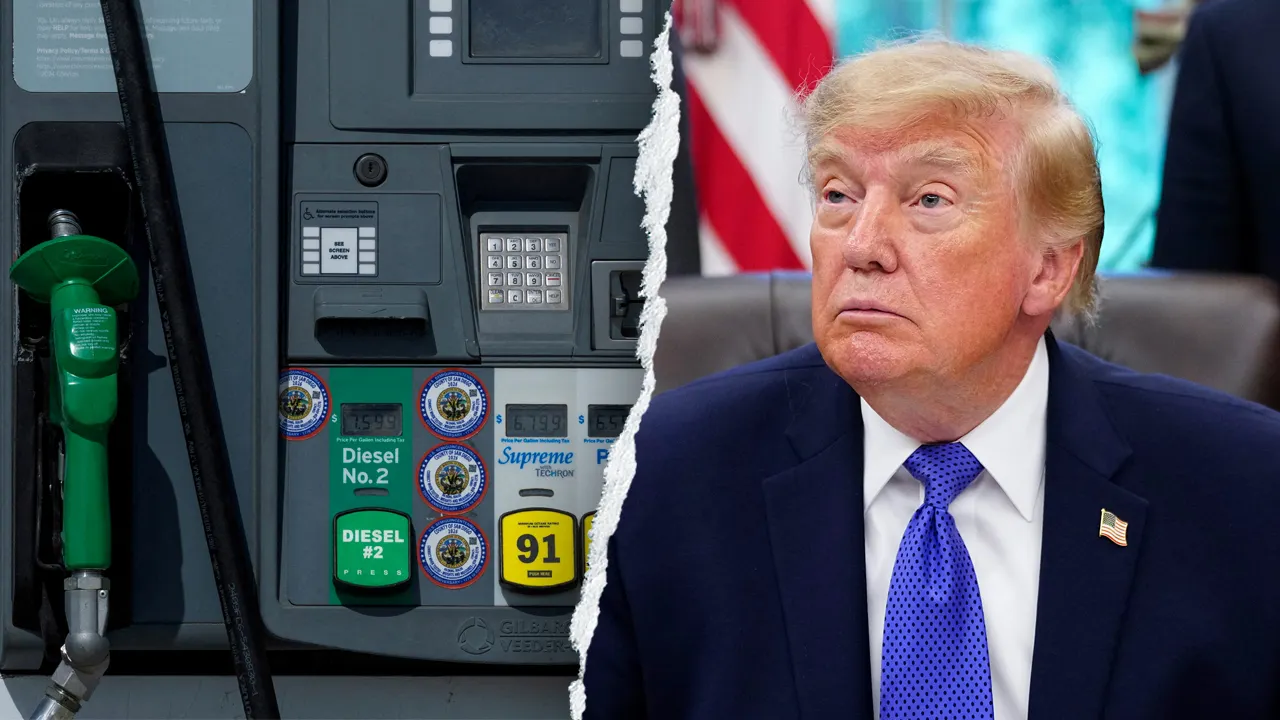
Retired Marine Corps Maj. Gen. Arnold Punaro discusses President Donald Trump’s diesel deal with Russia as a tanker heads to the US on ‘America Reports.’
Key Takeaways
- **Minimal Immediate Price Impact:** The initial 40,000-ton diesel shipment from Russia, while symbolically significant, represents a negligible volume in the context of daily U.S. and global demand, making its direct impact on pump prices highly unlikely in the short term.
- **Geopolitical Crossroads & Sanctions Volatility:** The deal, including the waiver of sanctions, signals a complex shift in energy policy, potentially introducing market uncertainty regarding the long-term enforceability of sanctions and the geopolitical premium embedded in energy prices. It also raises concerns about indirectly funding Russia’s ongoing conflict in Ukraine.
- **Political Motivations Driving Market Signals:** Initiated amidst soaring domestic fuel prices and pre-election political pressure, the agreement underscores how energy policy can be influenced by immediate electoral concerns, sending mixed signals to global energy markets about supply diversification and strategic alliances.
The global energy landscape continues its volatile dance, with recent developments highlighting the intricate interplay of geopolitics, domestic economic pressures, and commodity market fundamentals. A critical illustration of this complexity unfolded this week as the first tanker carrying 40,000 tons of diesel departed Russia, bound for New York. This shipment marks a notable event following an agreement between President Donald Trump and Russian President Vladimir Putin, aimed at releasing millions of tons of Russian diesel into the global supply chain, ostensibly to alleviate soaring fuel costs that have seen U.S. diesel prices climb above $6 per gallon.
“The first oil tanker has sailed off to customers, and regular supplies will continue,” Kremlin spokesperson Dmitry Peskov confirmed on Friday, emphasizing the continuity of these supplies.
TRUMP TRIES DIFFERENT APPROACH WITH RUSSIA TO BRING AMERICANS RELIEF AMID ONGOING WAR WITH UKRAINE
Diesel has shot to more than $6 per gallon in the U.S.(Rebecca Noble/Bloomberg/Getty Images, File / Getty Images)
The deal’s genesis earlier this month saw President Trump also waive most of the sanctions on Russia and entities purchasing fuel from the country, operating under the framework of the Graham Act. This move has significant implications for market participants who have been navigating a complex web of sanctions imposed since Russia’s invasion of Ukraine, which fundamentally reshaped global energy flows and introduced a substantial geopolitical risk premium into commodity prices.
However, the immediate market impact of this initial shipment has been met with skepticism by some analysts. Retired Marine Corps Maj. Gen. Arnold Punaro, for instance, offered a sobering assessment to Fox News, suggesting that the 40,000 tons of diesel would only meet U.S. demand for a “couple of hours.” To put this into market context, the U.S. consumes approximately 4 million barrels of petroleum products daily, with diesel making up a substantial portion. 40,000 tons translates to roughly 300,000 barrels, a mere fraction of daily consumption, underscoring the token nature of this initial delivery in terms of direct price relief.
“Look, reducing fuel prices is a very legitimate and necessary policy goal,” Punaro stated on “America Reports.” “The president has a number of positive initiatives in that regard. However, I don’t think lifting sanctions on Russia and buying diesel fuel from Russia and fueling their war machine, which yesterday just had another massive ballistic missile attack on Kyiv, killing women and children, knocking out their energy grid, so the Ukrainians will freeze, so my hope would be they kind of change their mind, beef up the other initiatives they have, turn that tanker around and go in a different direction.”
This sentiment highlights the moral and strategic dilemma inherent in the deal. While the administration seeks to address domestic inflationary pressures fueled by high energy costs, critics argue that purchasing Russian fuel, even indirectly, provides vital revenue to Moscow, thereby undermining efforts to cripple its war economy. For energy traders and institutional investors, the ethical considerations are often weighed against the practicalities of supply and demand. The availability of additional diesel, regardless of origin, can theoretically contribute to loosening tight markets, but the political cost and long-term implications for international relations cannot be ignored.
TRUMP RUSSIA DEAL COULD FUEL PUTIN’S WAR, EX-NATO COMMANDER WARNS AS ZELENSKYY SAYS ‘NYET’
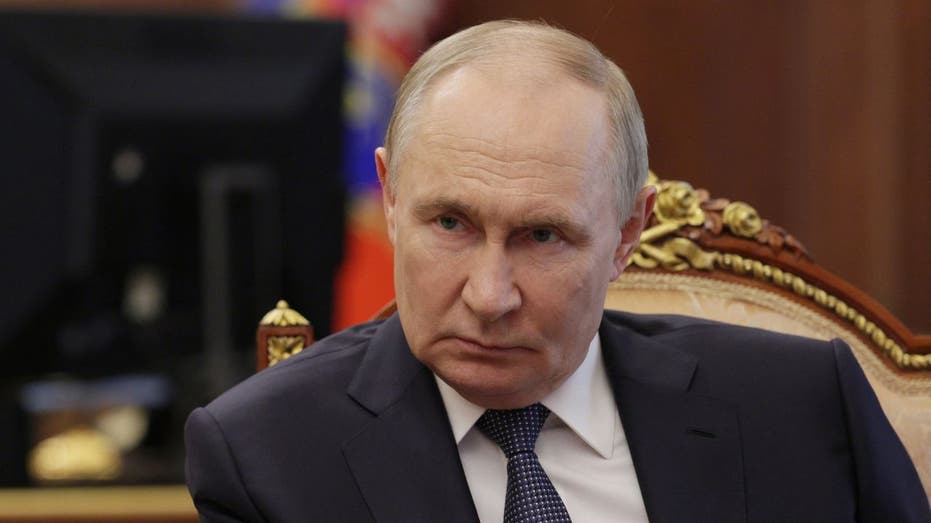
Russian President Vladimir Putin agreed to flood the global supply with diesel under a deal with President Donald Trump earlier this month. (Mikhail Metzel/ Pool/AFP, File / Getty Images)
Punaro further articulated the geopolitical stakes, suggesting that Putin’s overarching ambition extends beyond Ukraine to regaining territory from the former Soviet Union. “He was never going to stop with Ukraine. That’s why we’ve got to stop him in Ukraine,” he asserted, adding another layer of complexity to the energy deal’s strategic implications. The debate extends beyond simple economics to broader questions of international security and the efficacy of economic sanctions as a tool of foreign policy.
The details of the Oct. 9 agreement between the U.S. and the Kremlin outline a more substantial commitment than the initial shipment. Trump announced that Putin agreed to “immediately supply over 300,000 Tons of Diesel Fuel to the American and Global Marketplace, another 500,000 Tons during the month of November, and 1,000,000 Tons immediately thereafter.” Furthermore, based on Russia’s refinery conditions, an additional “3,000,000 Tons of Diesel Fuel” would be delivered within a short period. This cumulative promise of approximately 4.8 million tons (roughly 36 million barrels) over time is more significant than the initial tranche. If fully realized, such volumes could provide some relief to global diesel inventories, particularly in the Atlantic Basin where European demand for Russian product has shifted due to sanctions, pushing prices higher globally.
Trump touted the agreement on Truth Social, stating, “Between our TOTAL CONTROL of the Strait of Hormuz, and this great announcement on Russian Energy, Diesel Prices for Americans and, indeed, the World, will be COMING DOWN, IN RECORD NUMBERS, AND FAST! Lower prices for Americans, especially our Great Farmers, Ranchers, and Truckers, is my Greatest Priority.” This statement connects the diesel deal to broader geopolitical control over vital shipping lanes, aiming to reassure markets of sustained energy flow. The Strait of Hormuz is a critical chokepoint for global oil transit, and any perceived control or influence there can impact oil futures and shipping insurance costs.
TRUMP IS TRYING ‘THE ART OF THE DEAL’ IN UKRAINE BUT WHAT MUST PUTIN GIVE UP?
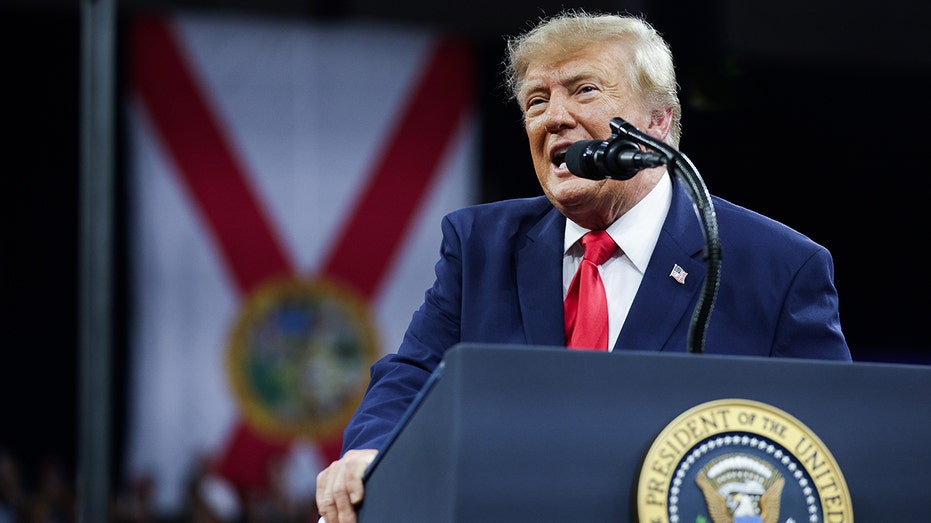
President Donald Trump was under pressure to lower diesel prices before the midterms. (Alex Wong/Getty Images, File / Getty Images)
The political impetus for this deal is undeniable. President Trump had been under considerable pressure from Republicans to lower diesel prices ahead of the midterms. High fuel costs exacerbate inflationary pressures across the economy, impacting everything from food prices to transportation costs, and historically have been a significant concern for voters. For the trucking and agricultural sectors, which rely heavily on diesel, sustained high prices can severely erode profit margins and contribute to broader economic slowdowns. The psychological impact of a deal, even if the tangible market effects are delayed, can also be a factor in public perception.
This shipment represents the first significant delivery of Russian diesel to the U.S. since the comprehensive sanctions were largely implemented following the invasion of Ukraine in 2022. Prior to the war, Russia was a significant global supplier of diesel, particularly to Europe. The diversion of these flows, coupled with refinery maintenance and capacity constraints globally, has contributed to tight distillate markets and elevated crack spreads for diesel (the difference between crude oil and diesel prices), signaling strong demand relative to supply.
CLICK HERE TO DOWNLOAD THE FOX NEWS APP
Market Impact
The immediate market reaction to the Russian diesel deal is likely to be muted in terms of direct price movements for benchmark crude oil (WTI, Brent) or even diesel futures. The initial volume is too small to significantly alter global supply-demand balances. However, the political signaling is substantial. By waiving sanctions, even temporarily or selectively, the U.S. creates market uncertainty regarding the long-term effectiveness and enforceability of its sanctions regime against Russia. This could lead to a reassessment of geopolitical risk premiums embedded in energy prices, potentially encouraging some market participants to seek out discounted Russian product if legal avenues become available. For refiners, the prospect of increased supply could temper refining margins in the long run, but much depends on the actual volumes delivered and the duration of any sanctions waivers. Investors will closely watch for any broader shift in U.S. energy policy that prioritizes short-term price relief over long-term strategic objectives, as this could introduce volatility into energy sector equities and commodity markets alike. The deal also highlights the continued challenge of balancing energy security and affordability with geopolitical objectives in a fractured global landscape.