
In July 2025, the U.S. Air Force established a dedicated office on the Air Staff for communications and cyber functions, marking a significant organizational shift. This new Warfighter Communications and Cyber Systems directorate was separated from the intelligence directorate, where these functions had previously resided. Its primary mission is to focus on secure communications, cyber operations, and information technology systems, directly supporting frontline Airmen and Guardians.
This organizational restructuring was deemed essential by Air Force leadership to bolster the service’s need for resilient and reliable communications and cyber operations, along with the necessary equipment and personnel to execute these capabilities. The move underscored the increasing criticality of these functions in modern warfare and daily operations.
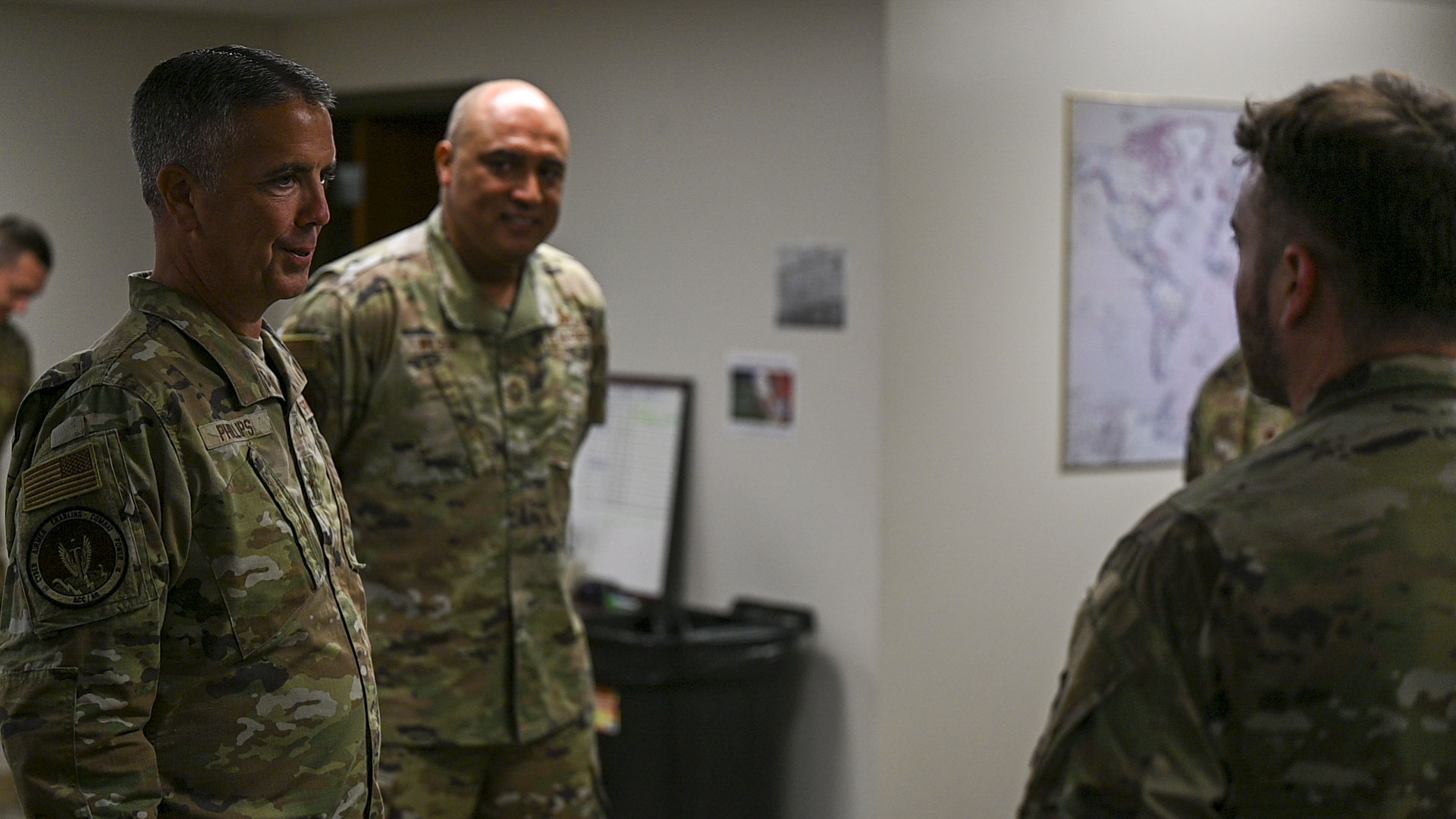
In June, Brig. Gen. Jeffrey A. Phillips assumed the role of Deputy Chief of Staff for Warfighter Communications and Cyber Systems. He succeeded interim deputy chief Brig. Gen. Joy Kaczor, who had filled the position following the retirement of Maj. Gen. Michele C. Edmondson.
Phillips brings a unique background to the role, having begun his Air Force career as an enlisted computer programmer, serving six years before commissioning through Officer Training School at Maxwell Air Force Base, Ala., in 1999. His prior leadership experience includes commanding the 67th Cyberspace Wing at Joint Base San Antonio-Lackland, Texas, and serving as Director of Cyberspace and Warfighting Communications at the headquarters of Air Combat Command at Joint Base Langley-Eustis, Va.
In his current capacity, Brig. Gen. Phillips leads a community comprising approximately 30,000 enlisted personnel, 3,000 officers, and nearly 100 newly appointed warrant officers. He recently discussed the directorate’s progress after a year of operation and outlined his priorities concerning personnel, equipment, and the vital communications and cyber work performed by the Air Force.
Modernizing Equipment and Supporting Personnel
A central objective for the Warfighter Communications and Cyber Systems directorate is to accelerate the acquisition and deployment of technology. Phillips emphasized the need to move beyond traditional five-year acquisition cycles, which often result in equipment becoming outdated by the time it reaches operational units. This goal is being pursued through several key initiatives.
Theater Deployable Communications (TDC):This initiative focuses on ensuring connectivity in distributed operations. Lessons learned from recent exercises, such as Operation Epic Fury, highlighted the necessity of connecting multiple dispersed field locations. The objective is to provide deployable equipment to personnel who require connectivity and to simplify its operation, ideally making it accessible even to non-specialists.
Enterprise Communications:This involves modernizing the foundational networks that link tactical edge operations back to the broader Air Force infrastructure. Many of these networks have seen underinvestment over the past three decades, necessitating a catch-up effort. This modernization is a major focus for Phillips and Department of the Air Force Chief Information Officer Ashley Devoto, aiming to enhance the resilience and capability of the entire enterprise network.
Alongside equipment modernization, the directorate is dedicated to the ongoing evolution of talent management processes across all ranks. For officers, an executive development forum, involving all cyber general officers, serves as a development team for colonels. This initiative fosters a mentorship model where general officers guide colonels. More recently, the “Champions Initiative” expanded this, pairing colonels from the development team with O5 (lieutenant colonel) and junior officers for mentorship.
For enlisted Airmen, particularly within the 1D7 Cyber Defense Operations career field, stability and clear career progression are paramount. This career field has undergone numerous changes in its structure and responsibilities over the last decade. Phillips has instituted a pause on further changes, aiming to thoroughly assess what is effective and what is not. The focus is now on providing Airmen with the necessary career development courses and educational resources to ensure they are prepared for promotion specialty knowledge tests.
Strategic Partnerships
Achieving these ambitious goals requires extensive collaboration. The directorate is actively rebuilding and strengthening partnerships with key stakeholders across the Air Force and Department of the Air Force. These include the Secretariat of the Air Force, the Office of the Chief Information Officer (CIO) led by DAF CIO Devoto, and acquisition organizations, primarily the Air Force Life Cycle Management Center (AFLCMC). Within AFLCMC, the Command, Control, Intelligence and Networks (C3I&N) Directorate is a crucial partner for theater deployable communications and enterprise IT initiatives.
Key Technologies and Equipment Rollout
The Air Force is transitioning from its legacy communication equipment, the Flexible Communication Package (FCP), which has been in use for approximately a decade. The FCP’s deployment required a substantial logistical footprint: 10 pallet positions on an aircraft, about 40 personnel, and approximately 20 short tons of equipment, including large satellite dishes and support machinery. While modernized over time, its sheer scale is no longer efficient for agile operations.
The new generation of deployable communication kits includes the Agile Communications Package (ACP) and the Fly-Away Communications Terminal (FACT). While similar, the FACT supports fewer users than an ACP. These systems offer modularity, allowing for a reduced footprint and deployment with fewer personnel. For instance, an ACP can provide the necessary compute and storage power for command and control applications in locations requiring greater capability, while a FACT might suit smaller teams.
A key feature of these new systems is “agnostic transport.” They can connect via various methods, including attaching commercial satellite communication terminals in areas without terrestrial internet access, or by establishing a 5G bubble. This flexibility allows for tailoring connectivity to specific mission needs, significantly reducing the logistical burden. Instead of requiring 10 pallet positions and 20 short tons, a handful of Airmen can now deploy with these kits, providing connectivity for an entire mission-generation force element. The Air Force is currently fielding ACPs and has numerous FACTs in operation, with ongoing work toward developing next-generation ACPs to keep pace with rapidly evolving technology.
Why This Matters
The U.S. Air Force’s strategic reorganization and renewed emphasis on warfighter communications and cyber systems is a critical response to the evolving landscape of global security and modern warfare. In an era characterized by near-peer competition and hybrid threats, the ability to maintain secure, resilient, and rapidly deployable communications is not merely an advantage, but a foundational requirement for operational success and national defense.
First, the separation of this directorate from intelligence underscores the recognition that cyber and communications are distinct, yet interconnected, warfighting domains. This institutional focus allows for dedicated resources, policy development, and talent management tailored to the unique challenges of information technology and cybersecurity. It reflects a shift from viewing these functions solely as support elements to recognizing them as integral components of military power projection.
Second, the drive to modernize equipment and acquisition processes directly addresses the imperative for agility in a fast-paced technological environment. Outdated acquisition cycles risk fielding obsolete technology, diminishing the Air Force’s competitive edge. By prioritizing rapid deployment of modular, “agnostic transport” communication kits like the ACP and FACT, the Air Force aims to enhance its ability to operate effectively in contested environments, establish command and control in austere locations, and maintain connectivity regardless of infrastructure. This directly translates to improved responsiveness, lethality, and survivability for deployed forces.
Finally, the comprehensive approach to talent management for officers, enlisted personnel, and warrant officers is vital for cultivating the human capital necessary to operate and innovate within these complex domains. Cyber warfare is fundamentally about people and their skills. By investing in career development, mentorship, and stability for critical career fields like 1D7 Cyber Defense Operations, the Air Force ensures it can attract, train, and retain the highly skilled professionals required to defend its networks, conduct offensive cyber operations, and ensure reliable communications. This focus on personnel development is crucial for maintaining technological superiority and adapting to future threats. The success of these initiatives will directly impact the Air Force’s ability to maintain air and space superiority, project global power, and safeguard national security interests in an increasingly connected and contested world.
U.S. Air Force Navigates Evolving Personnel Structure and Cyber Warfare Demands
The United States Air Force is undertaking significant adjustments to its personnel management and operational strategies, particularly within its critical cyberspace and defense operations career fields. These changes reflect a broader effort to enhance technical expertise, foster stability for its Airmen, and adapt to the increasingly complex landscape of modern warfare. From refining career specializations to redefining the roles of technical leaders, the Air Force is seeking to optimize its human capital for current and future challenges.
Stabilizing Career Paths for Technical Excellence
A key focus of the Air Force’s current personnel strategy involves introducing greater stability into specialized career fields. For instance, the Defense Operations career field, identified by the code 1D7X1, has historically been characterized by frequent modifications to its internal specializations, known as “shreds.” These shreds delineate specific areas of expertise within the broader field. According to senior Air Force officials, the number and definitions of these shreds have varied considerably over time, leading to significant challenges in clear role definition.
The constant evolution of these specializations has created ambiguity for Airmen and senior leaders alike. An Airman entering the 1D7X1 field might find their specific role or required skillset shifting regularly, making it difficult to develop deep, long-lasting technical expertise. Similarly, senior leaders have faced challenges in precisely defining the capabilities and responsibilities associated with a particular specialization at any given moment. This perpetual state of flux can hinder effective training, career progression planning, and overall operational readiness.
In response, the Air Force has announced a critical decision to freeze further changes to these career field definitions. This strategic pause is intended to provide Airmen with the much-needed stability to cultivate profound technical knowledge and proficiency. By ensuring a consistent framework, the Air Force aims to empower its personnel to become true subject matter experts, rather than constantly adapting to shifting definitions. This move is anticipated to foster greater job satisfaction, improve retention rates, and ultimately enhance the technical depth available within critical defense operations.
Reintroducing Technical Leadership: The Warrant Officer Role
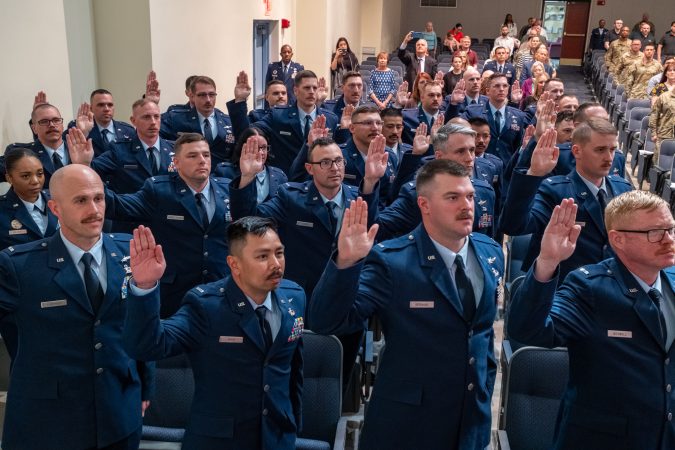
Complementing the drive for career field stability, the Air Force is strategically re-emphasizing the role of warrant officers, a rank structure recently reintroduced after a hiatus. Unlike commissioned officers who typically focus on broader leadership and command responsibilities, or enlisted personnel who execute specific tasks, warrant officers are designated as premier technical experts. Their mandate is distinct: to lead efforts and functions that demand deep, specialized knowledge, rather than primarily leading people in a traditional command structure.
This reintroduction addresses a crucial need within the modern military, particularly in highly technical domains like cyberspace operations. As an Air Force official explained, warrant officers are expected to become indispensable technical specialists, capable of navigating complex systems and strategies. Their expertise is being leveraged in critical areas, such as the 67th Cyberspace Wing and the 688th Cyberspace Wing, where they are embedded to provide unparalleled technical insight.
Furthermore, these warrant officers are increasingly being placed in strategic staff positions, serving as essential advisors to senior leaders. In an era where technological advancements outpace traditional leadership training, many senior officers may lack the profound technical depth required to make informed decisions in highly specialized fields. Warrant officers bridge this gap, offering expert counsel that ensures operational strategies are grounded in the latest technical realities and capabilities. This strategic deployment underscores the Air Force’s commitment to integrating high-level technical acumen directly into its decision-making processes.
Cyber Operations: From Support to Offensive Capability
Perhaps one of the most profound transformations within the Air Force has occurred in the role of its cyber officers. Historically, these officers functioned primarily as “support officers,” responsible for maintaining communication networks, IT infrastructure, and ensuring the smooth operation of digital systems. While crucial, this role was largely perceived as ancillary to core combat missions.
A senior Air Force official recounted how, early in their career, their role as a communications officer was framed around supporting broader missions like Suppression of Enemy Air Defenses (SEAD). This support function, though vital, positioned cyber specialists as enablers rather than direct contributors to operational effects. The official expressed pride in this support role, highlighting the importance of understanding how their work contributed to the larger strategic objectives.
However, the past two decades have witnessed a dramatic shift. Cyber officers are now firmly established as “operations officers,” directly engaged in shaping the battlespace and generating tangible effects. This evolution signifies a fundamental change in military doctrine, recognizing cyberspace as a distinct domain of warfare alongside land, sea, air, and space. Cyberspace operations squadrons, now led by these officers, are actively involved in offensive and defensive actions, creating effects that are integral to achieving mission goals across the spectrum of military operations.
This transition underscores the increasing recognition that cyber capabilities are not merely a foundation for other operations but are, in themselves, powerful tools for strategic influence and engagement. The Air Force now views cyber as inextricably linked to nearly all modern military endeavors, affirming its status as a critical, integral component of contemporary global security strategies.
Conclusion: Adapting for a Future-Ready Air Force
The adjustments within the U.S. Air Force’s personnel and operational frameworks highlight a proactive approach to evolving security challenges. By standardizing career pathways, re-empowering technical specialists through the warrant officer program, and elevating cyber operations from a support function to a central operational pillar, the Air Force is strategically positioning itself to address the complexities of modern warfare. These internal reforms are critical steps in ensuring the service remains agile, technically proficient, and effective in a rapidly changing global environment.
Why This Matters
These internal shifts within the U.S. Air Force hold significant implications far beyond military barracks. Firstly, they directly impact national security by strengthening the Air Force’s ability to operate effectively in the increasingly critical domains of cyberspace and advanced defense operations. A more stable career structure leads to deeper technical expertise, which in turn enhances the military’s capacity to develop, deploy, and maintain cutting-edge technologies crucial for defending national interests and projecting power globally.
Secondly, the reintroduction and focused deployment of warrant officers underscore a broader recognition across modern militaries of the indispensable need for deep technical specialization. As warfare becomes more technologically driven, relying on complex systems for intelligence, command and control, and combat, the gap between generalist leadership and specific technical know-how widens. Warrant officers are a strategic answer to this, ensuring that expert technical advice is integrated at all levels, from tactical execution to strategic planning. This model could influence other branches and even civilian sectors grappling with rapid technological change.
Finally, the transformation of cyber operations from a support role to a primary operational domain reflects a fundamental reevaluation of national defense strategies in the digital age. Cyber warfare is no longer a peripheral concern but a central component of conflict, capable of disrupting critical infrastructure, influencing geopolitical outcomes, and serving as a deterrent. The Air Force’s emphasis on operationalizing cyber capabilities means that future conflicts, whether conventional or unconventional, will increasingly involve sophisticated digital engagements. This evolution affects international relations, military doctrines worldwide, and the global balance of power, making the development of a highly skilled and adaptable cyber force a paramount concern for any nation.