
U.S. Defense Contractor Attalon Invests in Domestic Manufacturing for Critical Technologies
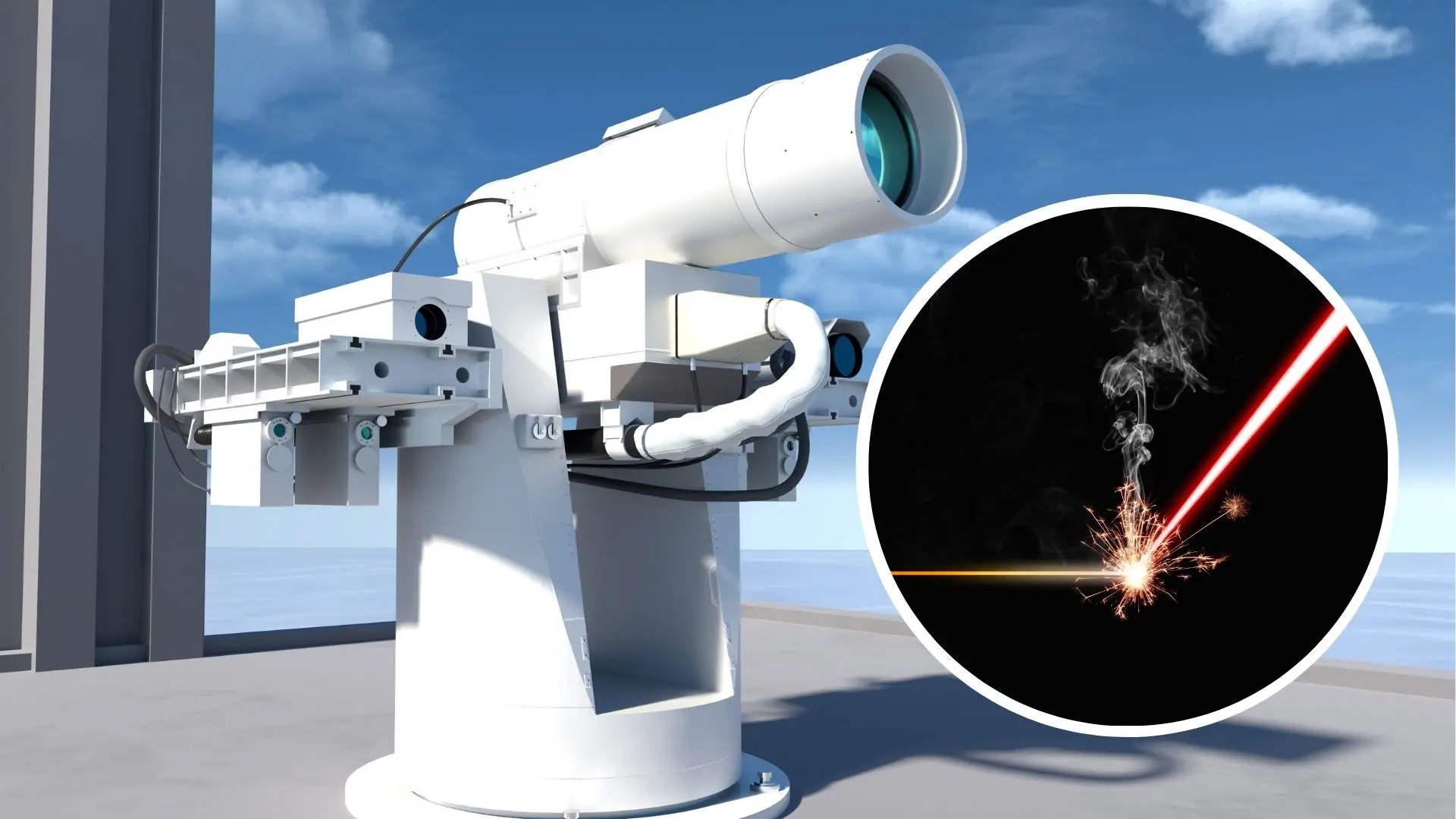
Attalon, a U.S. defense contractor, is reportedly increasing its investment in domestic manufacturing capacity, advanced production technologies, and a skilled American workforce. The stated goal of these initiatives is to reinforce the U.S. defense industrial base and expedite the delivery of critical technologies to military personnel, particularly in areas such as directed energy, precision optics, and advanced coatings.
The company’s CEO, John Bergeron, recently engaged in a discussion with Tobias Naegele, Editor in Chief of Air & Space Forces Magazine, where he underscored the evolving perception of manufacturing itself as a strategic military capability. Bergeron highlighted the growing importance of production readiness, suggesting it now holds a significance comparable to technological innovation in the defense sector. He also detailed Attalon’s strategy of “investing ahead of demand” to accelerate the deployment of vital defense capabilities.
Context: Strengthening the Defense Industrial Base
The concept of the defense industrial base (DIB) refers to the global industrial complex that develops, produces, and maintains military equipment and facilities. For the United States, a robust domestic DIB is considered crucial for national security, enabling the country to produce necessary weaponry and equipment without excessive reliance on foreign supply chains, especially during times of crisis. Recent global events, including the COVID-19 pandemic’s impact on supply chains and the protracted conflict in Ukraine, have brought renewed attention to the vulnerabilities within global manufacturing and the strategic imperative of domestic production capacity.
These events have underscored that while the U.S. consistently leads in defense research and development, the ability to rapidly scale production of advanced systems and replenish stockpiles has become equally, if not more, critical. This shift necessitates investment not only in cutting-edge designs but also in the infrastructure, machinery, and skilled labor required to translate innovations into deployable assets at speed and scale.
Focus on Key Technologies: Directed Energy, Precision Optics, and Advanced Coatings
Attalon’s reported investments are concentrated in three technically sophisticated areas:
- Directed Energy:This field involves technologies that project energy in a specific direction without a projectile, such as high-energy lasers and high-power microwaves. These systems hold potential for a range of military applications, including missile defense, counter-drone operations, and precise targeting. Their development represents a significant shift from traditional kinetic weapons, offering potential advantages in cost-per-shot and operational flexibility.
- Precision Optics:Crucial for modern intelligence, surveillance, reconnaissance (ISR), and targeting systems, precision optics encompass advanced lenses, mirrors, and sensors. These components are integral to everything from satellite imagery and advanced cockpit displays to sophisticated guidance systems for precision-guided munitions. The ability to manufacture these components to extremely tight tolerances domestically is vital for maintaining a technological edge.
- Advanced Coatings:These specialized materials are applied to surfaces to enhance performance, durability, or stealth characteristics of military platforms. Examples include radar-absorbent materials for stealth aircraft, thermal barrier coatings for jet engines, and anti-corrosion treatments for naval vessels. Such coatings are often proprietary and complex to produce, making domestic manufacturing a strategic asset.
Manufacturing as a Strategic Capability and Production Readiness
The discussion with Attalon CEO John Bergeron highlighted a paradigm shift in defense strategy: manufacturing itself is now viewed as a strategic capability, not merely a logistical function. For decades, the emphasis in defense procurement often leaned heavily on research and development (R&D), with less focus on the industrial capacity to mass-produce new technologies once developed. This has sometimes led to a “valley of death,” where promising prototypes struggle to transition to large-scale production due to insufficient manufacturing infrastructure or expertise.
Bergeron’s emphasis on “production readiness” signifies an understanding that technological innovation, while necessary, is insufficient without the ability to manufacture at scale, consistently, and securely. Production readiness involves having the necessary tooling, a robust and resilient supply chain, a skilled workforce, and the processes in place to rapidly ramp up output. This proactive approach aims to minimize lead times from design to deployment, ensuring that critical capabilities can reach military personnel faster, especially when operational demands surge.
Investing Ahead of Demand
Attalon’s stated strategy of “investing ahead of demand” implies a forward-looking approach to defense manufacturing. Instead of waiting for specific military orders or immediate crises to expand production capabilities, the company is proactively building capacity, developing advanced production methods, and training a specialized workforce. This anticipatory investment is intended to create surge capacity and reduce the lead times typically associated with developing and fielding new defense systems.
This strategy aligns with broader calls from defense officials for the industrial base to be more agile and responsive. By pre-positioning manufacturing capabilities, companies like Attalon aim to mitigate risks associated with sudden increases in demand, supply chain disruptions, and the need for rapid technological upgrades in a rapidly evolving global security landscape. It also suggests a commitment to long-term strategic planning for national defense requirements.
Why This Matters
The reported investments by Attalon in domestic manufacturing for critical defense technologies carry significant implications across national security, economic development, and global geopolitical stability.
National Security and Strategic Autonomy:A strengthened domestic defense industrial base reduces the U.S.’s reliance on foreign suppliers for critical components and systems. This enhances strategic autonomy, ensuring that the nation can produce what it needs, when it needs it, without being vulnerable to geopolitical tensions affecting international supply chains or the policies of other nations. The ability to rapidly scale production of directed energy, precision optics, and advanced coatings means the U.S. military can maintain a decisive technological advantage over potential adversaries and replenish assets quickly during conflicts, thereby bolstering deterrence and response capabilities.
Economic Impact and Workforce Development:Investments in advanced manufacturing capacity translate directly into job creation for skilled American workers. This includes engineers, technicians, and manufacturing specialists, fostering growth in high-tech sectors. Such initiatives can stimulate innovation within the broader economy, as advancements in defense manufacturing often have spillover effects into commercial industries, driving technological progress and enhancing national competitiveness in critical future-oriented fields. It also supports the long-term sustainability of a skilled manufacturing workforce, which is vital for sustained innovation and production capability.
Global Geopolitical Dynamics:The U.S.’s ability to project power and assure allies is inherently linked to its military capabilities. A more robust and responsive defense industrial base sends a clear signal to both allies and potential adversaries about the nation’s capacity and resolve. For allies, it could mean more reliable access to advanced defense systems and a stronger partner in collective security. For adversaries, it complicates strategic calculations by demonstrating the U.S.’s ability to rapidly innovate and produce at scale. This could contribute to an arms race dynamic, but also potentially enhance stability through deterrence by denying an adversary the belief they can achieve a quick victory.
Future of Warfare and Defense Procurement:The focus on directed energy and advanced optics signals a commitment to technologies that are expected to define future warfare. These systems offer new ways to engage targets, enhance intelligence gathering, and protect assets, moving beyond traditional kinetic engagements. The emphasis on “production readiness” and “investing ahead of demand” represents a forward-thinking evolution in defense procurement strategy, aiming to bridge the gap between technological innovation and practical military deployment, ensuring that the U.S. military is equipped with cutting-edge capabilities not just in concept, but in operational reality.
Challenges and Long-Term Sustainability:While beneficial, these investments also present challenges. Ensuring a steady pipeline of skilled labor requires sustained investment in education and training. Maintaining the balance between innovation and production, while managing costs, will be an ongoing task. Furthermore, the defense sector must remain agile to adapt to rapidly evolving threats and technological advancements, ensuring that investments made today remain relevant tomorrow. The long-term success of such initiatives will depend on sustained government policy support, consistent funding, and continued collaboration between the private sector and defense agencies.