
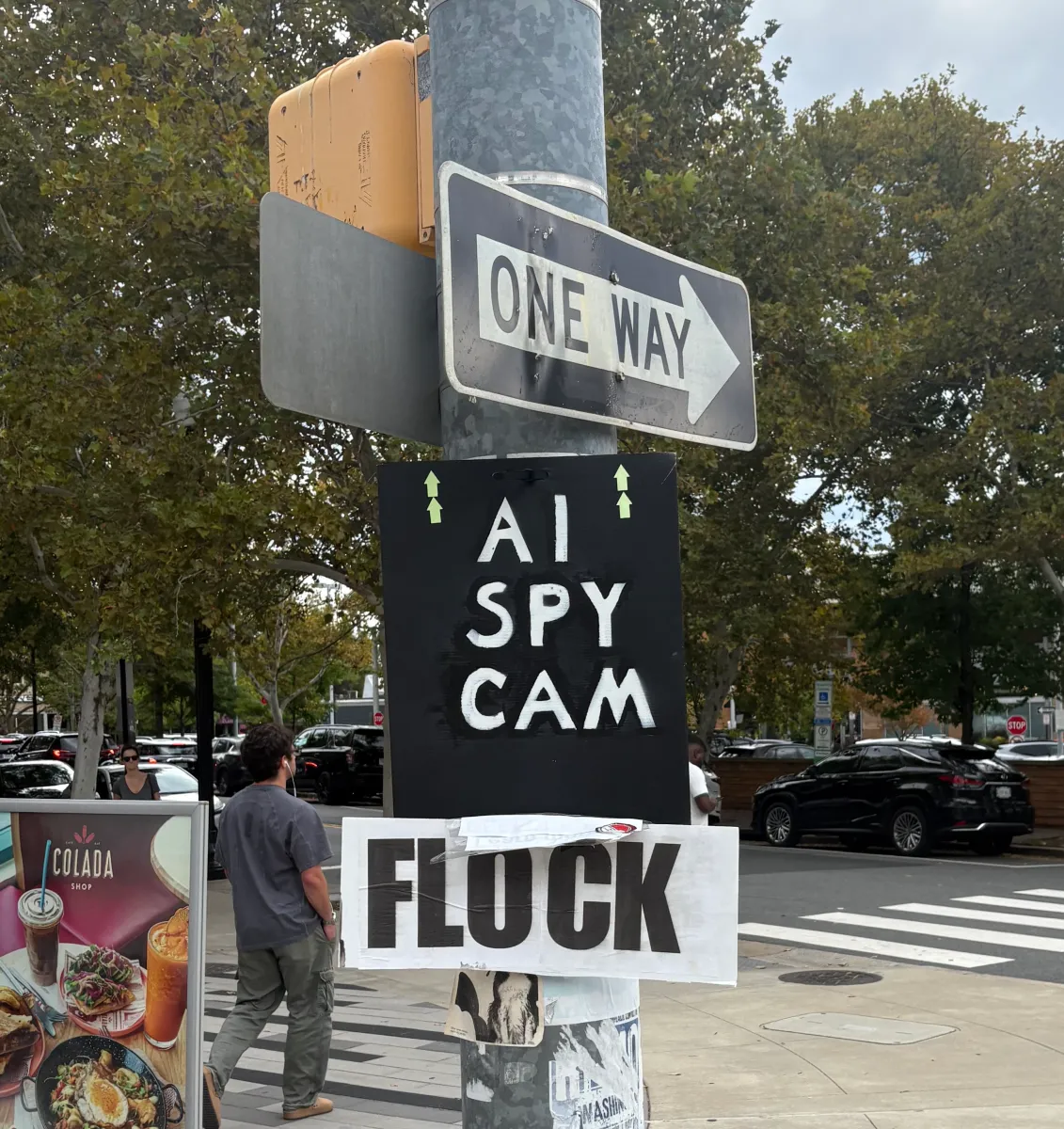
Key Takeaways:
- Flock Safety Offers “Generous” Voluntary Severance:Facing mounting pressure and internal morale issues, the surveillance tech firm is offering buyouts to a significant portion of its 1,500-person workforce, a move seen as an alternative to forced layoffs and a way to address employee disquiet.
- Widespread Misuse Allegations Fuel Backlash:The company’s license plate recognition technology has been implicated in 46 cases of alleged police misuse, including stalking, leading to states like Florida and Texas discontinuing its use, and 90 cities dropping contracts in a single month.
- Strategic Shift Amidst Crisis:This voluntary departure program highlights Flock’s attempt to mitigate reputation damage, address internal dissent, and potentially streamline operations while navigating intense public and regulatory scrutiny over privacy concerns and civil liberties.
In a significant development reflecting the escalating pressures on the surveillance technology industry, Flock Safety, a company deeply embroiled in controversy over its license plate recognition (LPR) systems, has unveiled an exceptionally “generous” voluntary severance package for its employees. This move, initially reported by Wired and confirmed through internal company communications, signals a strategic pivot for the embattled firm as it grapples with a deepening public backlash and palpable internal disquiet.
Navigating the Storm: Voluntary Departures to Stem the Tide
The offer, described internally as the “most generous” Flock Safety has ever presented, is anticipated to attract a substantial number of its 1,500 employees. The company has indicated a willingness to grant these buyouts to a majority of interested individuals, suggesting a proactive effort to manage its workforce amidst an tumultuous period. On the surface, voluntary departures offer a softer landing for employees and a more palatable public relations narrative for the company compared to involuntary layoffs. However, the underlying motivations are likely more complex, addressing not only potential operational redundancies but also the palpable erosion of employee morale.
The decision to offer these packages comes at a critical juncture for Flock Safety. By enabling employees to exit on their own terms, the company aims to address a workforce increasingly demoralized by the ongoing scrutiny and criticism directed at its core product. CEO Garrett Langley himself acknowledged the “biggest damage” caused by the backlash has been to “internal morale” during a recent appearance on the All-In podcast, underscoring the profound impact the controversies have had within the organization. This strategy could allow Flock to shed staff who are no longer aligned with its mission or are simply exhausted by the constant negative attention, potentially fostering a more resilient and dedicated, albeit smaller, team moving forward. Furthermore, reports suggest that without these buyouts, the company would “almost certainly” be compelled to initiate widespread layoffs, making the voluntary severance a pre-emptive measure to avoid a more disruptive and damaging restructuring.
The Core Controversy: Allegations of Misuse and Eroding Trust
At the heart of Flock Safety’s current predicament lies its ubiquitous license plate recognition technology. Marketed as a tool to enhance public safety and assist law enforcement in solving crimes, the system deploys networks of high-definition cameras capable of capturing and cataloging vehicle license plates across vast geographical areas. This data, often stored for extended periods, can be searched by law enforcement agencies, ostensibly to track stolen vehicles, identify suspects, or investigate criminal activity. However, the very power and pervasiveness of this technology have become its greatest liability.
A stark August report from The Washington Post brought to light a deeply troubling pattern: 46 documented cases where police officers were accused of misusing Flock technology. These allegations included instances where officers allegedly leveraged the surveillance system to stalk former partners, wives, or girlfriends – a grave breach of privacy and a profound abuse of power. Such incidents not only highlight potential vulnerabilities in access controls and oversight but also fuel deeper public distrust in the deployment of powerful surveillance tools by government entities.
The fallout has been swift and severe. Major jurisdictions have begun to re-evaluate or outright terminate their contracts with Flock Safety. Both Florida and Texas, two states with significant law enforcement needs and extensive surveillance deployments, have announced their intentions to stop utilizing the startup’s technology. Beyond state-level decisions, an anti-surveillance advocacy group revealed a dramatic escalation in local resistance, identifying 90 cities that had dropped Flock contracts in August alone. This figure represents a fourfold increase from the preceding month, illustrating a rapidly accelerating trend of public and municipal rejection. The momentum against Flock suggests a growing public awareness and discomfort with the implications of pervasive LPR surveillance on civil liberties and privacy rights.
Beyond Morale: The Broader Implications for Surveillance Tech
Flock Safety’s current crisis is not an isolated incident but rather a microcosm of the larger ethical and operational challenges confronting the entire surveillance technology sector. Companies operating in this space often find themselves walking a tightrope between public safety and individual privacy, with innovation frequently outpacing regulatory frameworks and public consent. The widespread adoption of LPR technology by thousands of police departments and homeowner associations across the United States has occurred largely without robust public debate or comprehensive legislative oversight, creating a fertile ground for the very abuses now coming to light.
The financial ramifications of this backlash extend beyond the immediate costs of severance packages. Lost contracts represent significant revenue hits, impacting Flock’s valuation and long-term viability. Furthermore, the reputational damage is immeasurable, potentially hindering future sales, partnerships, and investor confidence. The company’s ability to attract and retain top talent, already challenged by internal morale issues, will likely be further strained as prospective employees weigh the ethical implications of working for a company under such intense scrutiny. TechCrunch has notably reached out to Flock for further comment, indicating ongoing media interest and the need for greater transparency from the company.
This situation also serves as a critical stress test for the accountability mechanisms within the surveillance tech ecosystem. Who is responsible when powerful tools are misused? Is it solely the end-user (e.g., the police officer), or does the technology provider bear a responsibility to build in safeguards, provide robust training, and enforce ethical usage policies? Flock’s response to this crisis – offering buyouts, acknowledging morale issues, and facing contract terminations – will undoubtedly be watched closely by competitors, policymakers, and privacy advocates alike. It could set a precedent for how tech companies navigate the complex intersection of innovation, profit, and public trust in an increasingly surveilled world.
Bottom Line:
Flock Safety’s unprecedented voluntary severance offer is more than just a workforce adjustment; it is a clear indicator of a company in crisis, strategically attempting to mitigate the fallout from widespread allegations of misuse of its core technology. While presented as a “generous” option for employees, this move underscores the severe strain on internal morale, the significant financial and reputational damage from lost contracts, and the increasing public and governmental skepticism towards pervasive surveillance. As the tech industry continues to grapple with the ethical implications of powerful data-gathering tools, Flock’s experience serves as a stark reminder that innovation without robust accountability and respect for civil liberties comes at an exceptionally high cost, forcing companies to make difficult choices that redefine their future and potentially the entire sector’s operational norms.
{content}
Source:{feed_title}