
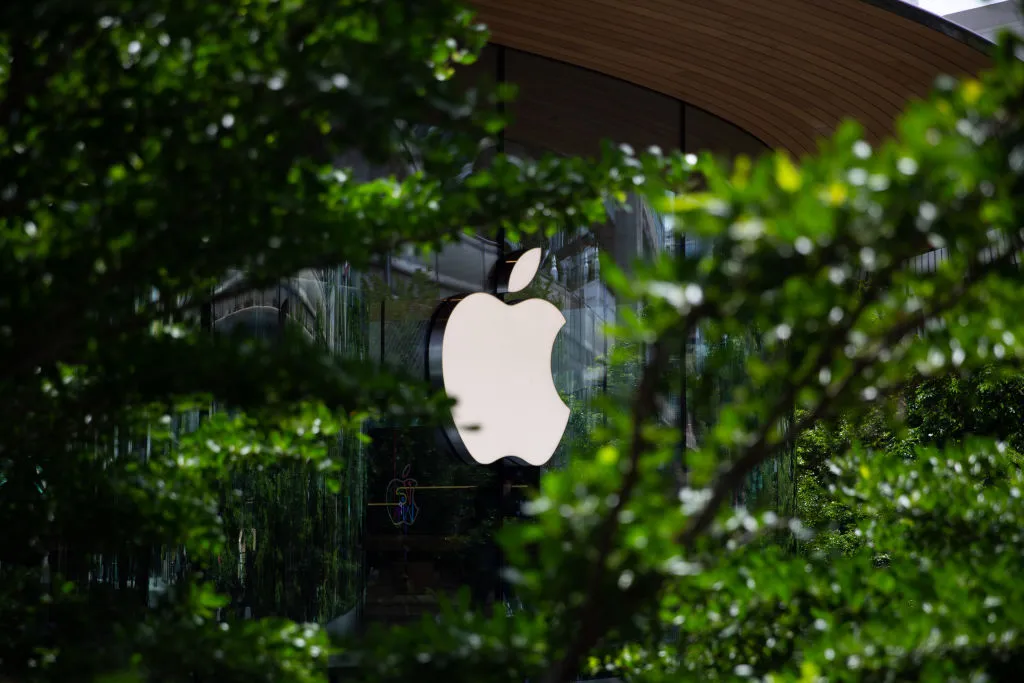
While Silicon Valley is spending billions to make AI agents shop for us, the man who pioneered Apple’s retail stores thinks the industry is overestimating how much of shopping people will hand over to machines — and believes physical stores will continue to thrive.
Ron Johnson, 66, has heard predictions about the demise of physical retail before. He joined Apple in 2000 to build its retail business as online shopping was beginning to take off, and went on to help create a store network that became central to how Apple sells its products and connects with customers.
Key Takeaways
- Human Touch Prevails:Ron Johnson, architect of Apple Retail, argues that despite the rise of AI agents, physical stores will continue to thrive because consumers demand a personal, tactile experience for significant purchases.
- AI as an Informant, Not a Decider:While AI will enhance online shopping and pre-purchase research, it will not replace the need for customers to physically interact with products, especially high-value items, before buying.
- The Apple Model Endures:Johnson posits that Apple’s success stemmed from focusing on people, experience, and service over pure sales pressure, a lesson he believes remains critical for retail in the age of AI.
As the tech giants pour billions into developing sophisticated AI agents designed to automate our shopping, a seasoned voice from the retail world offers a starkly different perspective. Ron Johnson, the visionary behind Apple’s iconic retail stores, believes the industry is vastly overestimating consumers’ willingness to delegate their purchasing decisions entirely to machines. His conviction? Physical stores, far from fading into obsolescence, are poised to retain their crucial role in the retail landscape.
A Veteran’s Perspective on Retail’s Future
Ron Johnson, at 66, isn’t new to predictions of retail’s demise. He witnessed the nascent stages of online shopping’s ascent when he joined Apple in 2000, tasked with building a physical retail presence from scratch. His efforts culminated in a global network of stores that redefined how Apple connected with its customers, proving that brick-and-mortar could not only survive but thrive amidst digital disruption.
“AI is a new technology that will improve the online shopping experience,” Johnson stated in a recent interview. “But I don’t know that it’s going to change which way we shop.” This sentiment cuts directly against the grain of current Silicon Valley ambitions, where companies like Google and OpenAI are aggressively pushing “agentic commerce” – a future where AI agents seamlessly navigate product discovery, comparison, and checkout on behalf of the consumer.
The AI Shopping Offensive
Indeed, the race to embed AI deeper into the shopping journey is intensifying. Google is championing its Universal Commerce Protocol, aiming to standardize how AI agents facilitate transactions from start to finish. OpenAI, meanwhile, is transforming ChatGPT into a comprehensive shopping hub, enabling users to research, compare, and even purchase products without ever leaving the chatbot interface. The vision is clear: a highly automated, hyper-efficient, and largely invisible shopping experience driven by artificial intelligence.
The Irreplaceable Human Element
But Johnson remains unconvinced by the allure of full automation, especially for high-value or personal items. When asked if he could envision someone allowing an AI agent to select and purchase a $1,000 or $2,000 laptop without any direct interaction, his response was firm: “Honestly, nobody’s going to do that.”
His argument centers on the deeply personal nature of such purchases. Buyers, he contends, instinctively want to physically experience a product – to feel its weight, examine its display quality, and assess its size and ergonomics. While AI might effectively narrow down choices and present options, the final decision for many consumers hinges on a tactile, sensory engagement that machines cannot replicate. “AI will never be able to have you physically experience a product,” Johnson asserted. Instead, he sees AI’s role as one of enhancement, transforming consumers into more informed shoppers who arrive at the store better prepared for their physical interaction.
Lessons from Apple’s Retail Genius
Johnson’s perspective is deeply rooted in the strategic decisions made at Apple over two decades ago. The physical Apple Stores were conceived as far more than mere sales outlets. They were designed as experiential hubs where customers could explore products, learn new skills, and receive support when needed. This philosophy, detailed in his new book,Shop Different: How Retail Revealed Apple’s Genius, emphasizes the critical role of human interaction and service.
Many competitors attempted to mimic Apple’s distinctive aesthetic – the glass facades, the open layouts, even variations of the Genius Bar. Yet, Johnson argues, they often missed the true “secret sauce”: the people. “The secret sauce for Apple has always been its people, the people in the store, and how they treat the customer,” he explained. Crucially, Apple Store employees were not paid on commission, a radical departure from the prevailing sales culture in retail. This intentional choice was designed to alleviate sales pressure, encouraging employees to genuinely understand and address customer needs rather than just pushing products.
Navigating Past Challenges and Future Optimism
Johnson’s career post-Apple has included both ambitious ventures and significant challenges. His tenure as CEO of J.C. Penney in 2011, where he attempted a rapid, transformative overhaul, ended in less than two years with plummeting sales. He reflects on this experience as a misapplication of a “startup mentality to what needed to be a turnaround transformation.” Later, his e-commerce startup, Enjoy Technology, which aimed to bring tech products and setup services directly to customers’ homes, also filed for bankruptcy in 2022.
Despite these setbacks and his skepticism about AI’s ability to fully replace human shopping, Johnson remains an ardent believer in the technology itself. “I’m a real believer in AI. I’m an AI optimist,” he affirmed. He envisions a world where AI augments human capabilities, rather than superseding them. He draws a parallel to Steve Jobs, suggesting that Jobs too would have embraced AI, but always with the understanding that it serves as a tool to enhance human judgment, not to substitute it. “There’s no substitute for human intuition,” Johnson concluded, echoing Jobs’ steadfast belief in the power of bringing smart people together to collaborate, debate, and innovate.
Bottom Line
While AI agents promise an era of seamless, automated shopping, Ron Johnson, the architect of Apple’s retail success, firmly asserts that the fundamental human need for physical interaction and genuine service will ensure the enduring relevance of brick-and-mortar stores, positioning AI as a powerful assistant rather than a complete replacement for the shopping experience.
When you purchase through links in our articles, we may earn a small commission. This doesn’t affect our editorial independence.
{content}
Source:{feed_title}