
‘The Big Money Show’ panel discusses U.S. automakers urging Congress to ban Chinese EVs.
Trump’s Auto Policy Pivot: Unpacking the Market Implications of Ending EV Mandates
Key Takeaways
- Regulatory Reset:Former President Trump’s approval of new fuel economy standards marks a significant departure from Biden-era policies, potentially slowing the mandated transition to electric vehicles and emphasizing affordability and consumer choice in internal combustion engine (ICE) vehicles.
- Auto Industry Rebalancing:This policy shift offers legacy automakers a reprieve from aggressive EV production targets, allowing them to re-evaluate investment strategies, manage current EV profitability challenges, and potentially boost sales of popular, higher-margin ICE trucks and SUVs.
- Geopolitical & Economic Focus:The move underscores a “America First” industrial policy, aiming to revitalize domestic auto manufacturing jobs and competitiveness, particularly against the backdrop of rising Chinese EV capabilities and the broader energy transition debate.
In a move poised to reshape the automotive landscape and send ripples through global markets, former President Donald Trump announced on Saturday his approval of new fuel economy standards, effectively dismantling the Biden administration’s push towards an accelerated electric vehicle (EV) future. This policy reversal signals a significant pivot, prioritizing consumer affordability and traditional manufacturing jobs over stringent environmental mandates, with profound implications for automakers, energy markets, and the broader economy.
“The Dumocrats cost our Great Auto Manufacturers $Billions, forced Americans into cars they never wanted, and wasted Billions on Chargers that were never built,” Trump wrote on Truth Social. This statement encapsulates the core argument behind his policy: that the rapid, government-mandated shift to EVs was economically burdensome for both manufacturers and consumers, without delivering proportional benefits. His administration’s new standards, he asserts, will “take the waste out of building cars in America. That means LOWER PRICES, saving families thousands on a new, beautiful, and safe car — Far better than the Environmental Monsters that we were building heretofore.”
For legacy automakers like General Motors (GM), Ford (F), and Stellantis (STLA), the policy shift presents a complex but potentially welcome recalibration. These companies have invested tens of billions into EV development and production, often at a loss in the initial stages due to high R&D costs, supply chain challenges, and nascent consumer demand. While publicly committed to electrification, they have also faced the dual challenge of balancing these ambitious EV targets with the need to maintain profitability from their highly successful and popular ICE truck and SUV lineups. The previous Biden-era Environment Protection Agency (EPA) standards, issued in 2024, aimed to drastically increase EV sales percentages, placing immense pressure on automakers to ramp up production and sales, often ahead of widespread consumer readiness or charging infrastructure development.
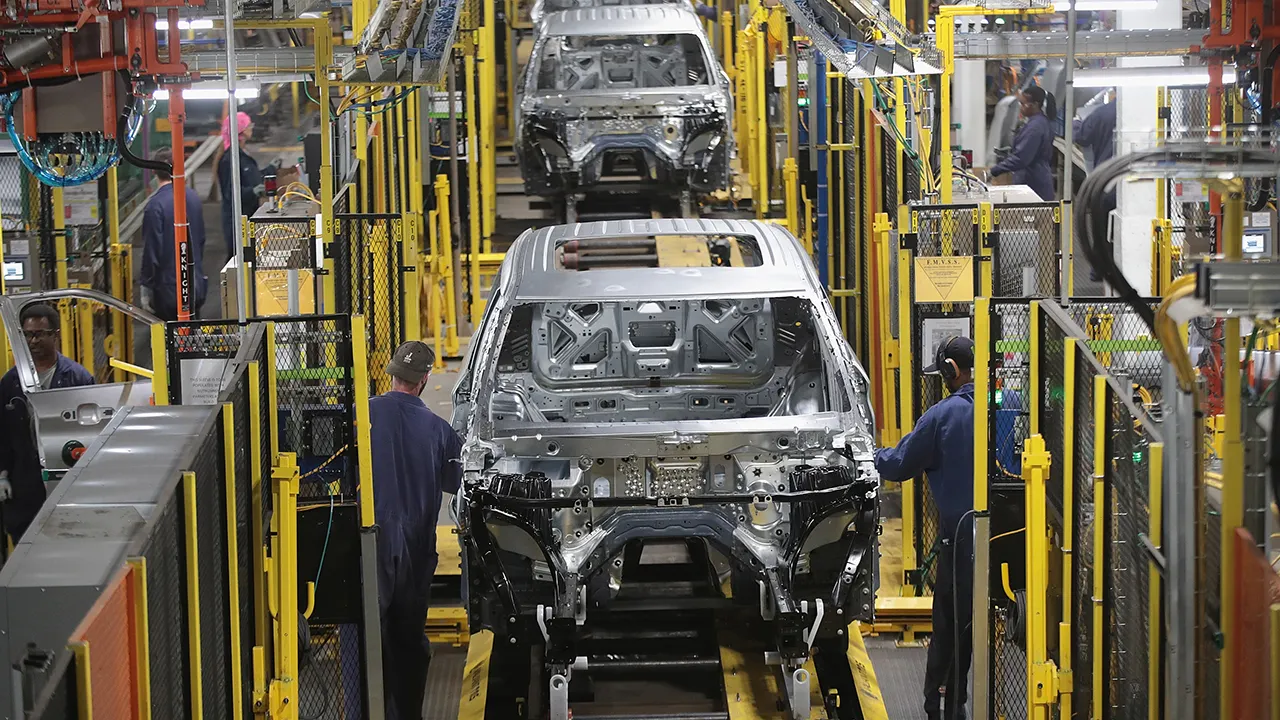
Workers assemble Ford vehicles at the Chicago Assembly Plant on June 24, 2019 in Chicago, Illinois.(Scott Olson/Getty Images / Getty Images)
Trump’s new policy, which also includes the prior ending of Biden’s EV tax credits via the One Big Beautiful Bill Act, directly addresses the industry’s concerns about the financial strain of the transition. Ford CEO Jim Farley’s past remarks, hailing Trump’s plan to lower fuel standards as a “victory for affordability and common sense,” underscore this sentiment. “As the president said, we will be able to offer more affordability on our popular models, and we’ll be able to launch new vehicles built in America that are more affordable because of this rule change,” Farley stated in December. This suggests that the revised standards could allow automakers greater flexibility in their product mix and pricing strategies, potentially enabling them to offer more competitive prices on both ICE and hybrid vehicles, which currently enjoy strong market demand.
The economic impact of this policy extends beyond just vehicle prices. Trump’s promise to invest “$100 billion in American autos” and his assertion that “The Plants are coming back, and Jobs are returning, to Michigan, Ohio, Indiana, South Carolina, and all over our Country,” speaks to a broader industrial strategy. This focus on domestic manufacturing, potentially bolstered by increased demand for ICE vehicles and related components, could provide a boost to traditional auto manufacturing hubs. However, it also raises questions about the long-term competitiveness of the U.S. auto industry in the global EV race, particularly as countries like China continue to dominate EV battery and manufacturing supply chains. The discussion among U.S. automakers urging Congress to ban Chinese EVs, as highlighted in “The Big Money Show” panel, underscores the intense geopolitical competition underlying these policy decisions.
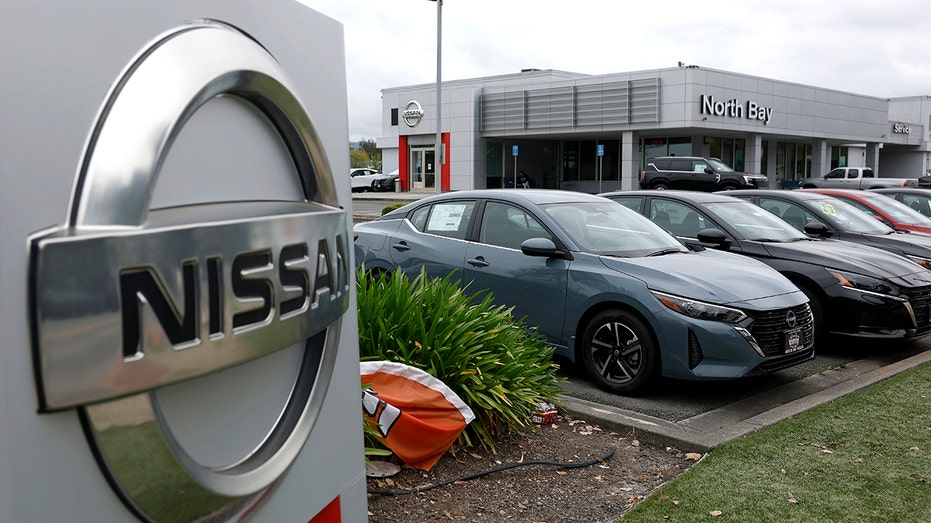
Brand new Nissan cars are displayed on the sales lot at North Bay Nissan in Petaluma, California last year.(Justin Sullivan/Getty Images)
Furthermore, the move includes a direct challenge to California’s long-standing role as a national environmental policy setter. Trump signed a trio of congressional resolutions in June ending California’s restrictive rules for diesel engines and mandates on elective vehicle sales, asserting his signature “will kill the California mandates forever.” Historically, California has leveraged its unique waiver under the Clean Air Act to set stricter emissions standards than the federal government, with many other states adopting California’s rules. By revoking these “dictatorial powers,” as Trump described them, the administration aims to create a more uniform national standard, reducing regulatory complexity for automakers but simultaneously diminishing the influence of states with aggressive climate goals.
Trump’s criticism of Governor Gavin “Newscum’s” plan for a “100% ban on all new gas-powered cars within a very short period of time,” coupled with concerns about California’s electricity grid reliability (“blackouts and brownouts”), frames the policy as a pragmatic response to perceived ideological overreach. From a market perspective, this could lead to a less fragmented regulatory environment, though it may also slow the adoption of cleaner vehicle technologies in states that previously aligned with California’s ambitions.
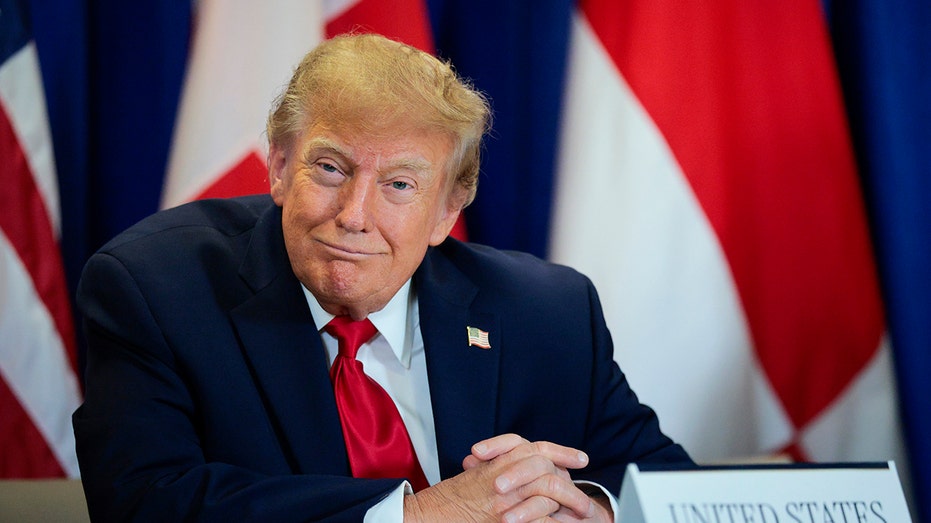
President Donald Trump on Saturday said that he has approved new fuel economy standards that end the Biden-era electric vehicle mandate.(Chip Somodevilla/Getty Images / Getty Images)
The implications for the energy sector are also significant. A slower EV transition would likely sustain demand for gasoline for a longer period, benefiting oil and gas companies. Conversely, it could temper the urgency for massive investments in grid infrastructure and charging networks, potentially shifting capital allocation within the energy transition space. The focus on “beautiful, and safe car” implies a continued reliance on well-established ICE vehicle platforms, which are often more profitable for manufacturers in the short to medium term compared to the capital-intensive and often lower-margin EV platforms.
CLICK HERE TO DOWNLOAD THE FOX NEWS APP
Fox News Digital’s Emma Colton and Kristen Altus contributed to this report.
Market Impact
This dramatic shift in U.S. automotive policy is expected to generate immediate and long-term market impacts across several sectors. Auto manufacturers, particularly legacy OEMs, could see a near-term boost in investor confidence as the pressure to rapidly scale unprofitable EV operations eases, allowing them to focus on optimizing their profitable ICE portfolios and managing a more gradual EV transition. This may lead to a re-evaluation of capital expenditure plans, potentially redirecting investment from aggressive EV-only platforms towards hybrid technologies and advanced ICE vehicle development. Conversely, pure-play EV manufacturers might face increased competitive headwinds as the regulatory tailwind for their products diminishes. Energy markets could experience sustained demand for fossil fuels, supporting traditional energy stocks, while infrastructure companies focused on EV charging might see a slowdown in government-backed projects. Overall, the policy introduces a significant element of regulatory uncertainty, requiring investors to carefully re-assess the risk-reward profiles of companies across the entire automotive and energy value chains, with a strong emphasis on domestic manufacturing capabilities and consumer-driven demand rather than mandated adoption.