
BAE Systems Secures Four-Year Agreement for UK Armed Forces Weapon System Components
BAE Systems has been awarded a four-year framework agreement to provide essential weapon system components for the United Kingdom’s Armed Forces. The agreement, which includes critical support for the British Army’s 105mm Light Gun, was facilitated by Babcock Land Defence on behalf of the Ministry of Defence.
The contract specifically covers the ongoing supply of components across BAE Systems’ artillery portfolio, with a particular emphasis on the 105mm Light Gun. Its primary objective is to ensure the continued availability and operational readiness of these weapon systems currently in service with the British military, supplying necessary replacement parts and other components throughout the framework’s duration.
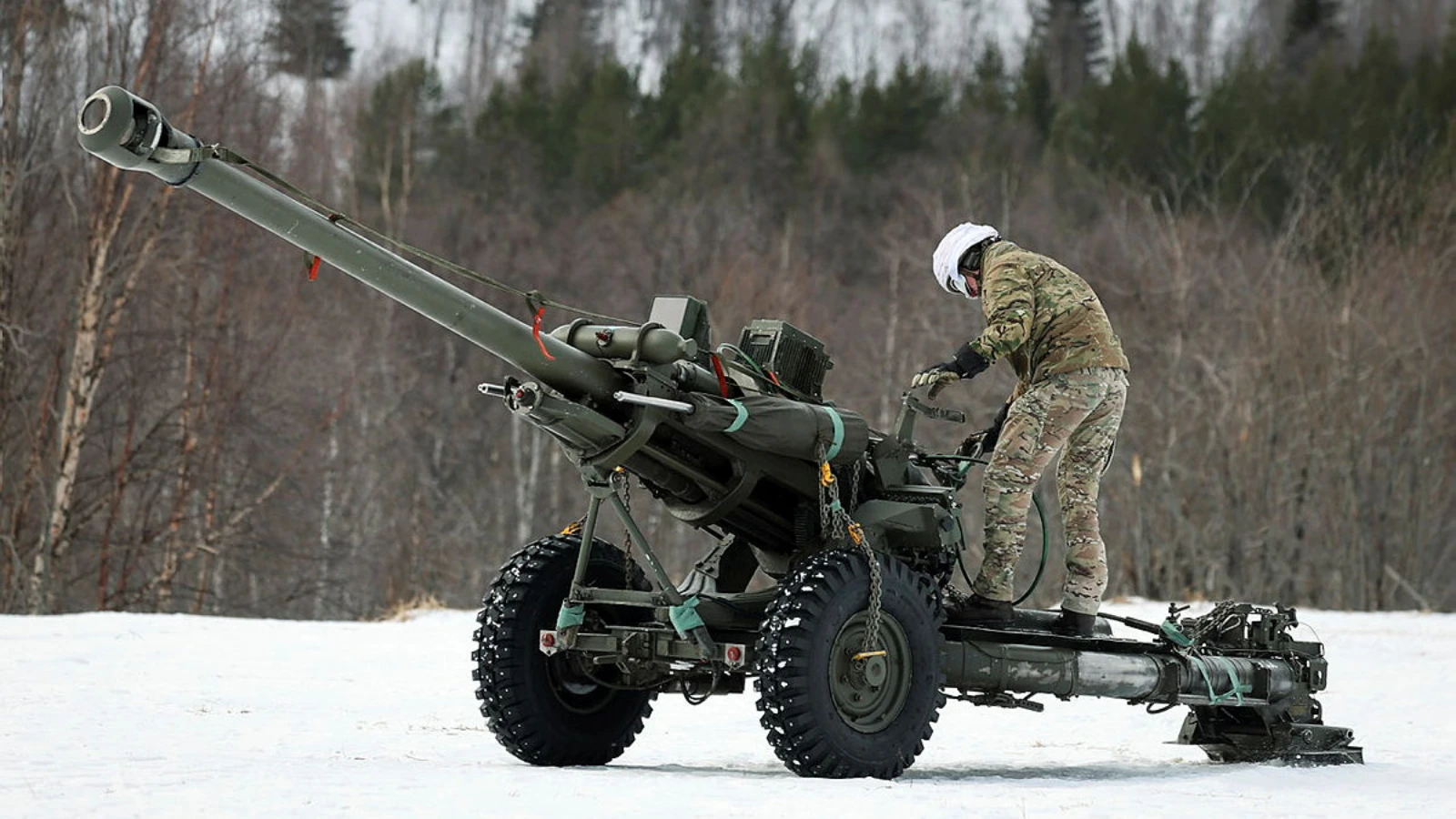
The 105mm Light Gun, officially known as the L118 Light Gun, remains a cornerstone of the British Army’s artillery capability. Revered for its lightweight design and portability, it is engineered for rapid deployment, capable of being moved swiftly between positions and transported by a variety of aircraft and helicopters, including the RAF’s Chinook and C-130 Hercules. This mobility makes it invaluable for forces requiring agile fire support in diverse operational environments, from mountainous terrain to rapid-reaction scenarios.
Under the new arrangement, BAE Systems, as the original equipment manufacturer (OEM), will continue its long-standing support for the 105mm Light Gun, ensuring the integrity and functionality of this veteran system. The agreement also extends to components for other unspecified artillery and armoured vehicle weapon systems utilized by the UK Armed Forces, underscoring BAE Systems’ broader role in maintaining the readiness of British military hardware.
Laurie Ellis, Managing Director at BAE Systems, commented on the agreement, emphasizing the company’s established expertise in artillery systems. “This agreement reflects the confidence placed in us as artillery experts and our commitment to supporting the British Army with world-class capability,” Ellis stated. “We are incredibly proud of our heritage in artillery design, manufacture and support, and of the skilled people across our business who ensure these critical capabilities remain available where they are needed most.” Ellis further highlighted the enduring value of the Light Gun, citing its mobility, reliability, and battlefield effectiveness, and reiterated BAE Systems’ commitment to its ongoing support.
This framework agreement builds upon recent strategic investments made by BAE Systems in the UK’s artillery manufacturing sector. Notably, the company has undertaken initiatives to restore domestic production capacity for British-designed 105mm and 155mm gun barrels at its facility in Sheffield. This program is a concerted effort to re-establish a sovereign capability for artillery barrel production within Britain, thereby enhancing the resilience of the national defence supply chain and supporting both current and future land systems requirements.
Why This Matters
This four-year framework agreement between BAE Systems, Babcock Land Defence, and the Ministry of Defence carries significant implications for the UK’s defence posture, industrial base, and operational readiness.
Ensuring Operational Readiness:For the British Army, this contract is fundamental to maintaining the operational effectiveness of its existing artillery and armoured vehicle fleets. The 105mm Light Gun, despite its age, remains a critical asset due to its unique air-portability and rapid deployment capabilities, particularly for forces engaged in light role operations or requiring swift fire support in complex terrains. A consistent and reliable supply of components ensures that these systems can be properly maintained, repaired, and kept in active service, directly impacting the Army’s ability to deploy and sustain operations both domestically and abroad. Without such agreements, the availability of spare parts could dwindle, leading to equipment downtime and reduced combat effectiveness.
Strengthening the UK Defence Industrial Base:The award to BAE Systems, a major UK defence contractor, reinforces the domestic defence industrial base. It secures specialized manufacturing and engineering jobs within the country, particularly in areas like Sheffield where artillery barrel production is being revitalized. This focus on internal capabilities reduces reliance on foreign suppliers for critical components, enhancing national security and supply chain resilience. In an increasingly uncertain global environment, the ability to produce and maintain key defence equipment domestically is a strategic imperative, safeguarding technological expertise and manufacturing capacity within the UK.
Strategic Investment in Sovereign Capabilities:The mention of BAE Systems’ investment in restoring domestic production capacity for 105mm and 155mm gun barrels at Sheffield is particularly noteworthy. Historically, the UK has at times outsourced components for its defence equipment. Rebuilding this capability ensures that the core elements of its artillery systems, from the venerable 105mm to the more powerful NATO-standard 155mm calibre, can be manufactured within the UK. This not only bolsters self-sufficiency but also fosters innovation and sustains high-skilled engineering professions, positioning the UK as a more robust and independent player in defence manufacturing.
Long-Term Planning and Resource Management:A four-year framework agreement provides stability and predictability for both the Ministry of Defence and BAE Systems. For the MoD, it guarantees a consistent supply chain and cost certainty for essential maintenance over a medium-term horizon. For BAE Systems, it allows for strategic planning of production, resource allocation, and workforce development, ensuring that the necessary expertise and manufacturing lines are sustained. This structured approach to sustainment is vital for managing complex military assets with long service lives, balancing the demands of current operational needs with future readiness requirements.
Economic Impact and Regional Development:Beyond national security, the contract contributes to the UK economy. It supports high-value manufacturing jobs and stimulates economic activity in regions where BAE Systems operates, such as Sheffield. The continued investment in facilities and skills development has a broader positive impact on local economies and the national technical workforce, fostering a pool of talent crucial for future defence and advanced manufacturing endeavors.