
Check out what’s clicking on FoxBusiness.com.
Key Takeaways:
- Operational Cost Burden:Ford faces immediate financial implications from repairing over 11,000 2026 Ranger pickups, including parts, labor, and logistics, adding pressure amid its significant EV transition investments.
- Brand & Consumer Trust Impact:While no injuries are reported, this recall for a critical safety feature (rearview camera) could subtly erode consumer confidence in Ford’s quality control and advanced technology integration, particularly for a popular and profitable model.
- Broader Industry Scrutiny:The incident highlights ongoing challenges in automotive supply chain resilience and the integration of complex digital systems, prompting investors and regulators to assess quality assurance protocols across the sector.
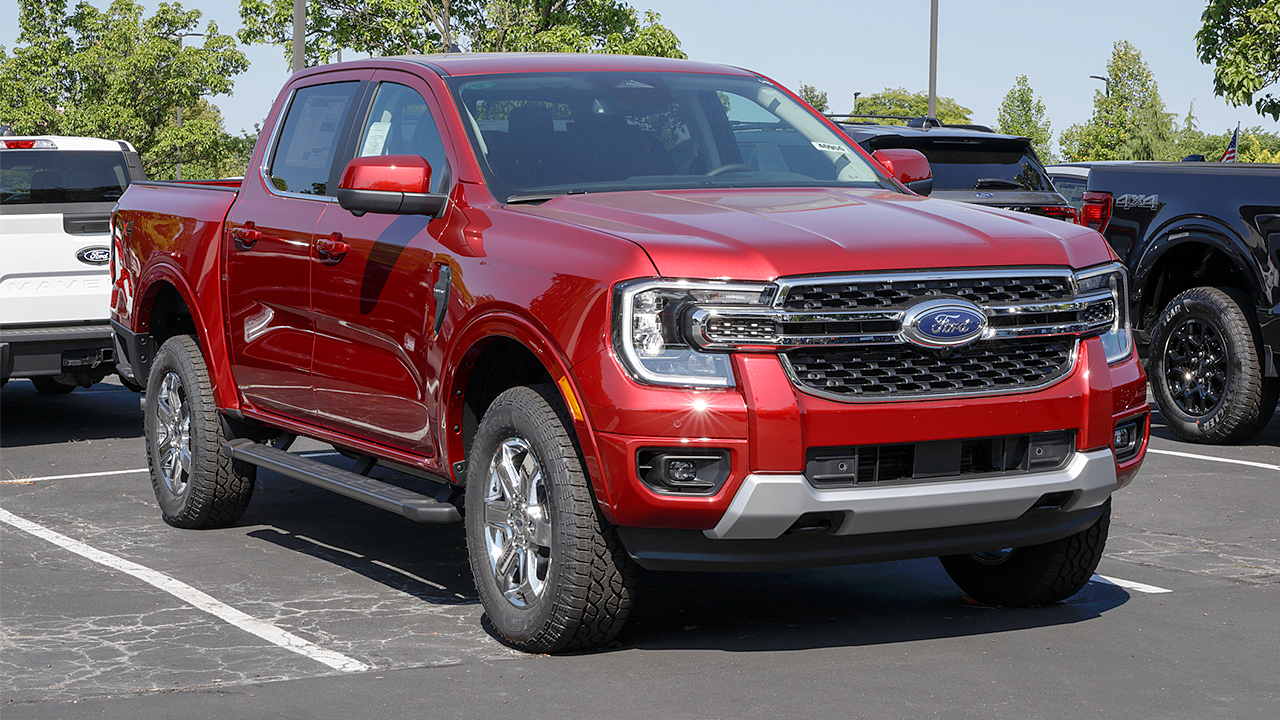
In a development underscoring the persistent challenges of modern automotive manufacturing and technology integration, Ford Motor Company(NYSE: F)is initiating a recall for more than 11,000 of its 2026 Ranger pickup trucks. The move, prompted by a rearview camera defect that could compromise driver visibility while reversing, casts a spotlight on quality control within a highly competitive and technologically evolving industry.
The recall affects approximately 11,405 2026 Ford Rangers specifically equipped with a 10.1-inch center stack screen. According to the National Highway Traffic Safety Administration (NHTSA), the primary concern is the potential for the screen to lose power, subsequently failing to display the crucial rearview camera image. This defect, as the NHTSA’s announcement pointedly states, “reduces the driver’s view behind the vehicle, increasing the risk of a crash.”
While the immediate financial outlay for Ford for this specific recall might appear modest in the grand scheme of its multi-billion-dollar operations, the cumulative effect of such quality issues can be substantial. Beyond the direct costs of parts, labor, and dealer service time – for which the remedy is still under development – there are significant indirect costs. These include logistical complexities, administrative overhead for managing the recall process, and perhaps most importantly, potential damage to brand reputation and consumer trust. Each recall, irrespective of its scale, represents a drag on profitability, diverting resources and attention from strategic growth initiatives.
Ford is recalling more than 11,000 pickup trucks over of a rearview camera defect that could hinder a driver’s visibility while in reverse.(Getty Images / Getty Images)
The Ranger is a key model in Ford’s highly profitable truck lineup, a segment where the company historically holds a dominant position and generates substantial cash flow. Maintaining perceived quality and reliability in this segment is paramount for Ford, especially as it navigates a challenging, capital-intensive transition towards electric vehicles. Any dent in the confidence surrounding its core internal combustion engine (ICE) products could complicate its broader strategic objectives, erode market share in a fiercely competitive environment, and potentially impact investor sentiment regarding its long-term viability and operational efficiency.
The defect’s focus on the 10.1-inch center stack screen also brings into question the intricate supply chain for advanced vehicle technology. Modern vehicles are essentially computers on wheels, integrating dozens of complex electronic components and sophisticated software systems, often sourced from a diverse, global network of third-party suppliers. An issue with a specific screen or its associated power module can ripple through production lines and impact future designs. This particular incident might prompt internal reviews at Ford regarding supplier qualification, rigorous quality assurance protocols for digital components, and the robustness of their vehicle’s electrical architectures, highlighting the critical need for supply chain resilience and redundancy in an era of increasing technological complexity.
Despite the severity of the potential safety risk, it is noteworthy that “no accidents or injuries have been reported in connection with the recall” thus far. This is a crucial detail for Ford, as it mitigates immediate legal and liability exposure and suggests a proactive approach to identifying and addressing the defect before more serious incidents occur. However, the absence of reported incidents does not diminish the regulatory imperative; the NHTSA’s vigilant oversight ensures that automakers promptly address potential safety hazards, with penalties for non-compliance serving as a powerful deterrent. Such recalls are a standard, albeit costly, part of doing business in a highly regulated industry.
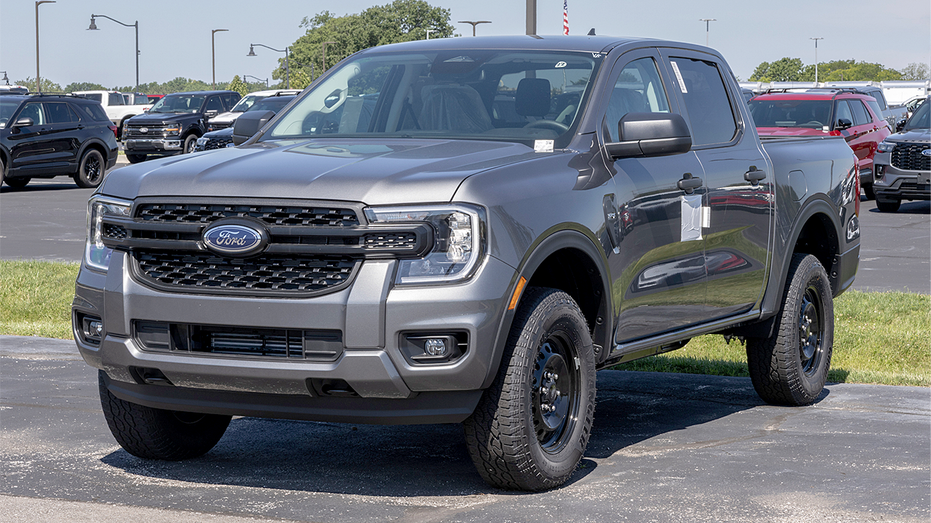
About 11,405 2026 Ford Rangers equipped with a 10.1-inch center stack screen are affected by the recall.(Getty Images / Getty Images)
From an investor perspective, recalls, particularly for newer model years, are often viewed as operational headwinds rather than catastrophic events, unless they are widespread or recurring. While the market generally accounts for a certain level of warranty costs and recall activity in the auto sector, repeated or large-scale quality issues can trigger bearish sentiment. Shareholders closely monitor these events for signs of systemic quality control failures or escalating manufacturing costs that could erode profitability and shareholder value over time. Ford’s stock performance can be sensitive to such news, as investors weigh the cost of rectifying defects against the company’s long-term growth prospects, margin stability, and market positioning amidst fierce competition from rivals like General Motors and Toyota.
The timing of this recall also comes as the automotive industry faces broader economic pressures, including fluctuating raw material costs, ongoing labor negotiations that have impacted production schedules and wage bills, and fierce competition from both legacy automakers and new entrants. Companies are striving to optimize production and minimize expenses to protect their bottom lines. Any unforeseen recall expense, however small in isolation, adds to the already tight margins and operational complexities. It also distracts engineering and management resources from critical development projects, such as autonomous driving technologies and next-generation electric platforms, which are vital for future competitiveness.
Ford has outlined its communication plan, with interim letters to owners regarding the safety risk expected to be mailed out on October 5th. Additional letters will follow once the definitive remedy is developed and available. This multi-phase notification process is standard practice and demonstrates compliance with regulatory requirements, but it also means an extended period of uncertainty for affected vehicle owners and continued administrative burden for Ford’s customer service and dealer network. Efficient and timely resolution will be key to minimizing prolonged negative customer experience.
No accidents or injuries have been reported in connection with the recall.(Jeff Kowalsky/Bloomberg via Getty Images / Getty Images)
This incident, while specific to a component in the Ranger, serves as a reminder to the entire automotive sector about the criticality of robust quality control and exhaustive testing, particularly as vehicles become increasingly sophisticated and software-dependent. It emphasizes that even established automakers like Ford are not immune to the complexities of integrating cutting-edge technology into mass-produced vehicles. The race to equip cars with advanced safety and infotainment features must be balanced with meticulous validation to prevent costly recalls and reputational damage. Maintaining consumer confidence and meeting stringent regulatory standards remains a perpetual challenge and a significant cost factor in the relentless drive for innovation.
CLICK HERE TO GET FOX BUSINESS ON THE GO
Market Impact:
While the immediate impact on Ford’s stock (F) might be muted given the relatively small number of vehicles involved compared to its total sales volume, this recall contributes to a broader narrative regarding the cost of quality and the challenges of integrating advanced technology. Investors will be watching for signs of escalating warranty costs in future earnings reports and any potential ripple effects on consumer perception and demand for Ford’s highly profitable truck segment. Sustained or larger-scale quality issues could exert downward pressure on share price, signaling operational inefficiencies and potential erosion of brand equity. Competitors might subtly capitalize on such news in their marketing efforts, while regulatory bodies like NHTSA will continue their heightened scrutiny, potentially leading to more stringent compliance costs for the entire industry. Ford’s ability to efficiently execute the recall and minimize disruption will be crucial in mitigating any prolonged negative sentiment and protecting its long-term valuation.