
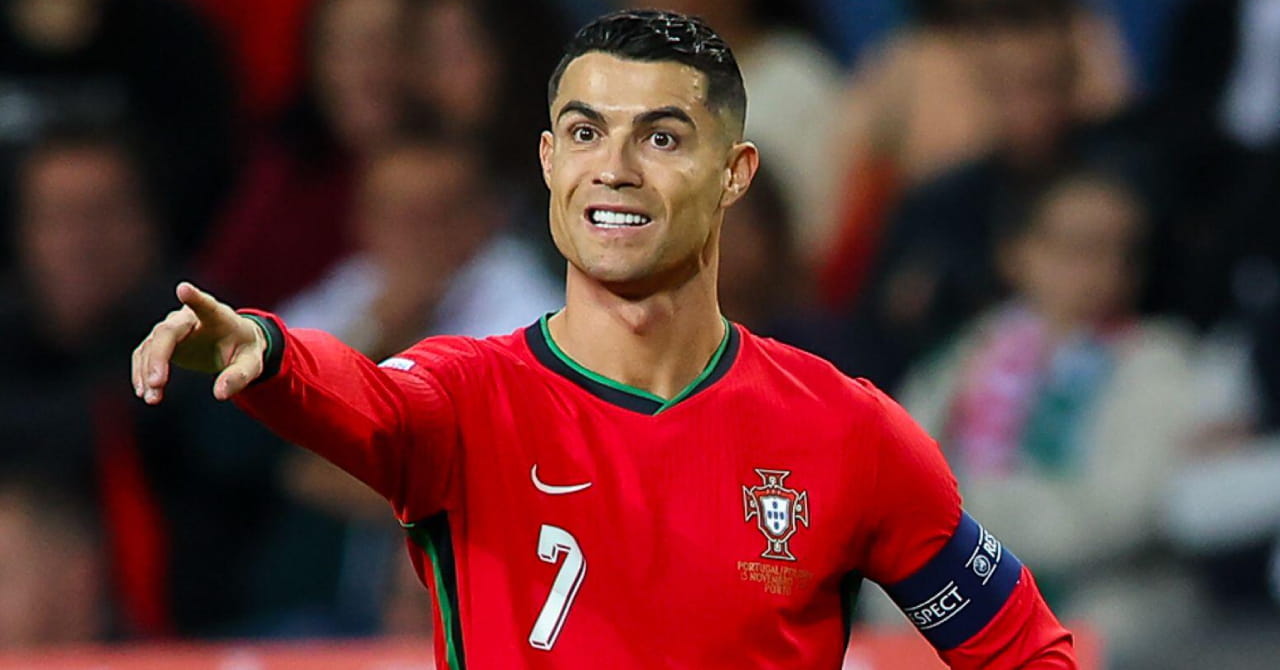
The air around the Portuguese national team camp is thick with speculation, not just about tactics for their crucial UEFA Nations League clash against Denmark, but about the very presence – or rather, absence – of their talismanic captain, Cristiano Ronaldo. What began as a routine international break has rapidly escalated into a full-blown media storm, with coach Jorge Jesus at its epicentre, battling to assert control and clarify a narrative spiralling out of his grasp.
Portugal’s hard-fought 2-1 UEFA Nations League victory against Norway at Ulleval Stadium was overshadowed by a singular, glaring omission: Cristiano Ronaldo was not just benched, he remained rooted there for the entire 90 minutes. For a player of his monumental stature, a record goalscorer accustomed to carrying the weight of a nation’s hopes, such a decision is nothing short of seismic. The images were stark: Ronaldo, visibly irritated, marching straight down the tunnel at the final whistle, bypassing team celebrations – a clear visual dissent that ignited a thousand headlines.
The drama intensified. Subsequent reports claimed Ronaldo had refused to train with the unused substitutes in Malmo, Sweden, as Portugal prepared for their Copenhagen fixture. The Portuguese Football Federation (FPF) swiftly issued a statement, explaining Ronaldo was on a “specific training programme” for which the Eleda Stadium lacked the “right facilities.” A plausible explanation, perhaps, but one that did little to quell the rising tide of rumour and conjecture that such a unique arrangement for one player, however legendary, would inevitably generate.
Jesus: Tactical Prudence or a Star’s Swan Song?
Addressing the media with a blend of frustration and firm resolve, Jorge Jesus emphatically dismissed any notion of a rift. His defence was clear: Ronaldo’s omission from the Norway game – and indeed, the upcoming Denmark clash – was not a spontaneous act but a “pre-planned” agreement between coach and player. “Yes, it’s true that I agreed [a plan] with him, but I didn’t agree with him alone. We put a plan in place, just as I did with Bruno Fernandes. I told Cristiano that I believed he would not play in the Norway and Denmark matches,” Jesus stated, attempting to douse the flames.
Yet, Jesus’s own words complicated the narrative. He admitted to asking Ronaldo to warm up during the Norway game, hinting he *might* be needed in the dying minutes. “I was thinking that perhaps, despite our agreement that he wouldn’t play the first two matches, I might need him in the final few minutes. But the match imposed other things on me. It started telling me different things, and that’s why I didn’t bring him on.” This admission highlights the delicate balance a coach must strike when managing a superstar. While a pre-agreement might exist, the ebb and flow of a high-stakes match can force a reconsideration, leaving the benched legend in an awkward limbo.
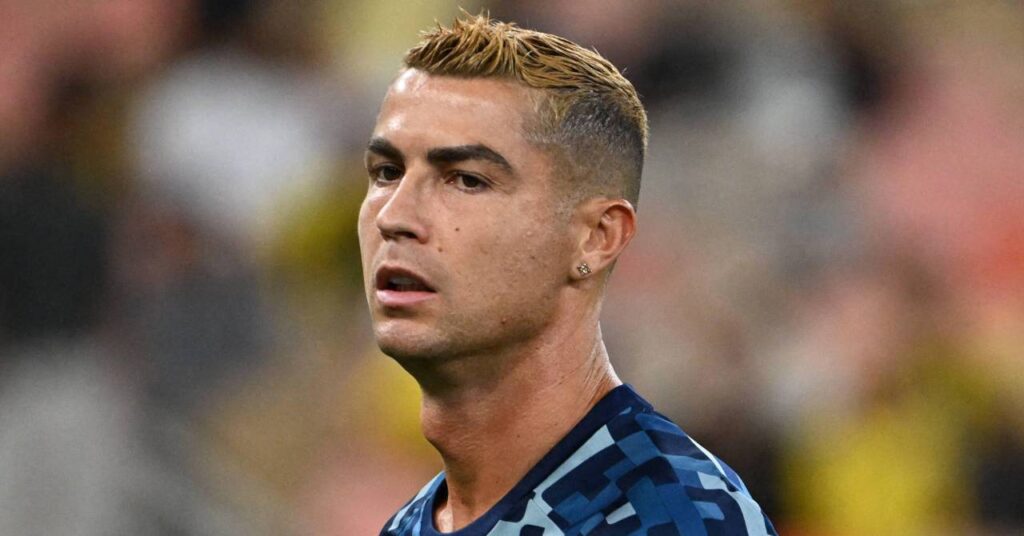
Jesus empathised with Ronaldo’s visible frustration. “Any player… who warms up for 20 or 30 minutes and then doesn’t come onto the pitch will feel frustrated. Any player, let alone Cris, given his status. Even if it were Pelé or Maradona, if they warmed up for 30 minutes and then didn’t come on, they would feel frustrated.” This acknowledgement underscores the immense pressure and expectation that comes with being a global icon. However, Jesus quickly pivoted, reminding everyone: “But the rights are equal for everyone.” This is the crux of modern football management: how do you integrate an irreplaceable legend into a cohesive unit without undermining team morale or the coach’s authority?
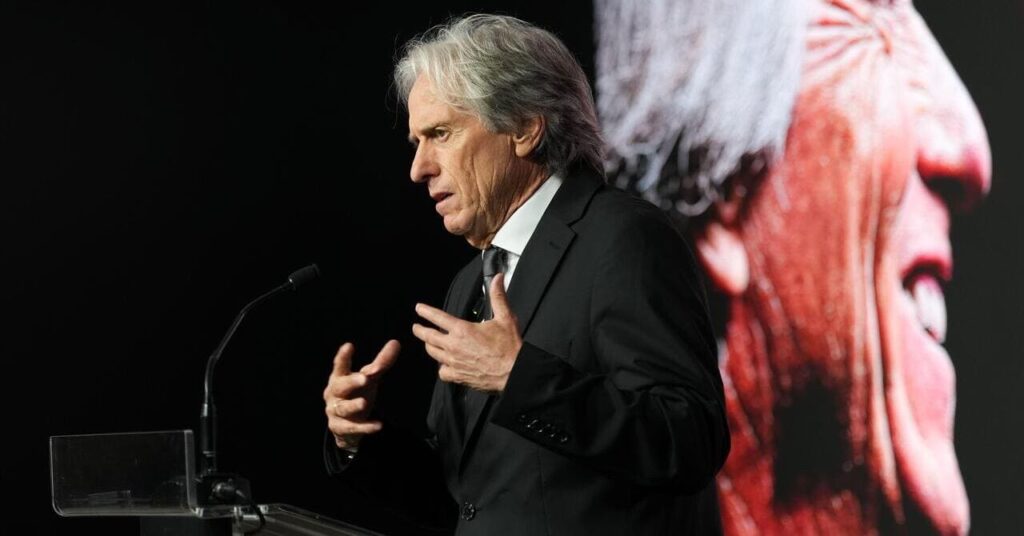
On the training controversy, Jesus was equally forceful. “He did not refuse to train. Cristiano did some work in the gym, did some mobility exercises on the pitch, and then did some additional muscle-strengthening work at the hotel. That’s exactly what happened.” He went on to question the very premise of such a report: “Do you really think that any player at national-team level could refuse to train? I’m not talking about Portugal only, but any national team.” His defence, while logical, also betrays a deep-seated annoyance at the media’s relentless scrutiny, forcing him to address issues he believes are non-existent.
Jesus Blames Media for ‘Clear-the-Air’ Talks
The coach made no secret of his belief that the media had manufactured a crisis. He scoffed at reports of “clear-the-air” talks, stating, “You, so to speak, forced me to speak with Cristiano about an issue that didn’t exist in the first place. Because you keep talking about this so much in Portugal, and honestly, I don’t understand what’s going on.” Jesus insisted their conversation merely reaffirmed Ronaldo’s earlier public stance: “‘You decide. If you want me to play, I’ll play. If you don’t want me to play, I won’t play. If you want me to go into the stands, I’ll go into the stands.'” This implies a professional understanding, even if the execution on the pitch led to understandable human emotion.
The presence of FPF president Pedro Proenca in Copenhagen was also, according to Jesus, entirely normal and not indicative of a crisis meeting. “The club president and the federation president should be with the national team. And because of everything that was being said in Portugal, he wanted to know what had happened, right? But Cristiano and I had already discussed it after dinner. And the truth is, the problem is that there was never a problem in the first place.” While Jesus maintains a façade of calm, the sheer volume of his explanations suggests a situation far more volatile than he publicly admits. The challenge now is to channel this external noise into internal motivation ahead of another crucial Nations League encounter.
Game Highlights: Portugal 2-1 Norway (UEFA Nations League)
In the midst of the Ronaldo furore, it’s easy to forget Portugal actually secured a vital 2-1 victory over Norway, showcasing their depth and tactical flexibility even without their main man. The win was a testament to the squad’s resilience and Jesus’s ability to adapt.
- Early Breakthrough:Portugal started brightly, asserting dominance in midfield. The deadlock was broken in the 28th minute when Gonçalo Ramos, stepping into Ronaldo’s formidable shoes, pounced on a loose ball in the box after a powerful drive from Rafael Leão was parried. Ramos displayed predatory instinct, slotting home coolly to give Portugal the lead and provide an emphatic answer to his critics.
- Norway’s Response:The Norwegians, spurred on by their home crowd, found an equalizer against the run of play just before half-time. A swift counter-attack saw Alexander Sørloth power through the Portuguese defence, unleashing a low shot past the outstretched arm of the goalkeeper, levelling the scores at 1-1 and highlighting Portugal’s momentary defensive lapse.
- Second-Half Dominance & Winner:Portugal regrouped at the break, emerging with renewed vigour. They dominated possession and created several clear-cut chances. The decisive moment arrived in the 65th minute. A brilliant piece of interplay on the left flank saw João Cancelo deliver a pinpoint cross into the area, where Bruno Fernandes arrived perfectly timed to unleash a powerful volley, leaving the Norwegian keeper with no chance. It was a goal that underscored Fernandes’s growing leadership and Portugal’s ability to find goals from multiple sources.
- Solid Defence to Close:In the final quarter, Portugal expertly managed the game, tightening their defensive lines and limiting Norway to speculative long-range efforts. They saw out the victory, proving they could grind out results under pressure, even with their greatest ever player watching from the sidelines.
Prediction: Portugal vs. Denmark
Heading into the cauldron of Parken, Portugal faces a Danish side known for its disciplined structure, tactical acumen, and robust midfield. Denmark will be keen to exploit any lingering psychological baggage from the Ronaldo saga, and their home support will be vociferous. Portugal, however, arrives with the momentum of a hard-fought victory and a point to prove – not least that they are more than a one-man team.
The tactical battle will be fierce in midfield, where Portugal’s creativity through Bruno Fernandes and Bernardo Silva will clash with Denmark’s formidable pressing game. The key for Portugal will be to maintain defensive solidity while exploiting the wings with the pace of Rafael Leão and the overlapping runs of Cancelo. The big question mark remains Ronaldo’s potential involvement. Even a late cameo could inject a psychological boost or, conversely, disrupt a rhythm established without him.
Considering Jesus’s staunch defence of his decisions and the team’s resilience against Norway, I predict Portugal will weather the storm. They possess enough individual brilliance and collective determination to overcome a tough Danish challenge. It won’t be easy, but the pressure cooker environment might just forge a stronger unit.
Predicted Score: Denmark 1 – 2 Portugal