
UK Concludes Military Mission in Iraq, Transitions to Bilateral Defence Partnership
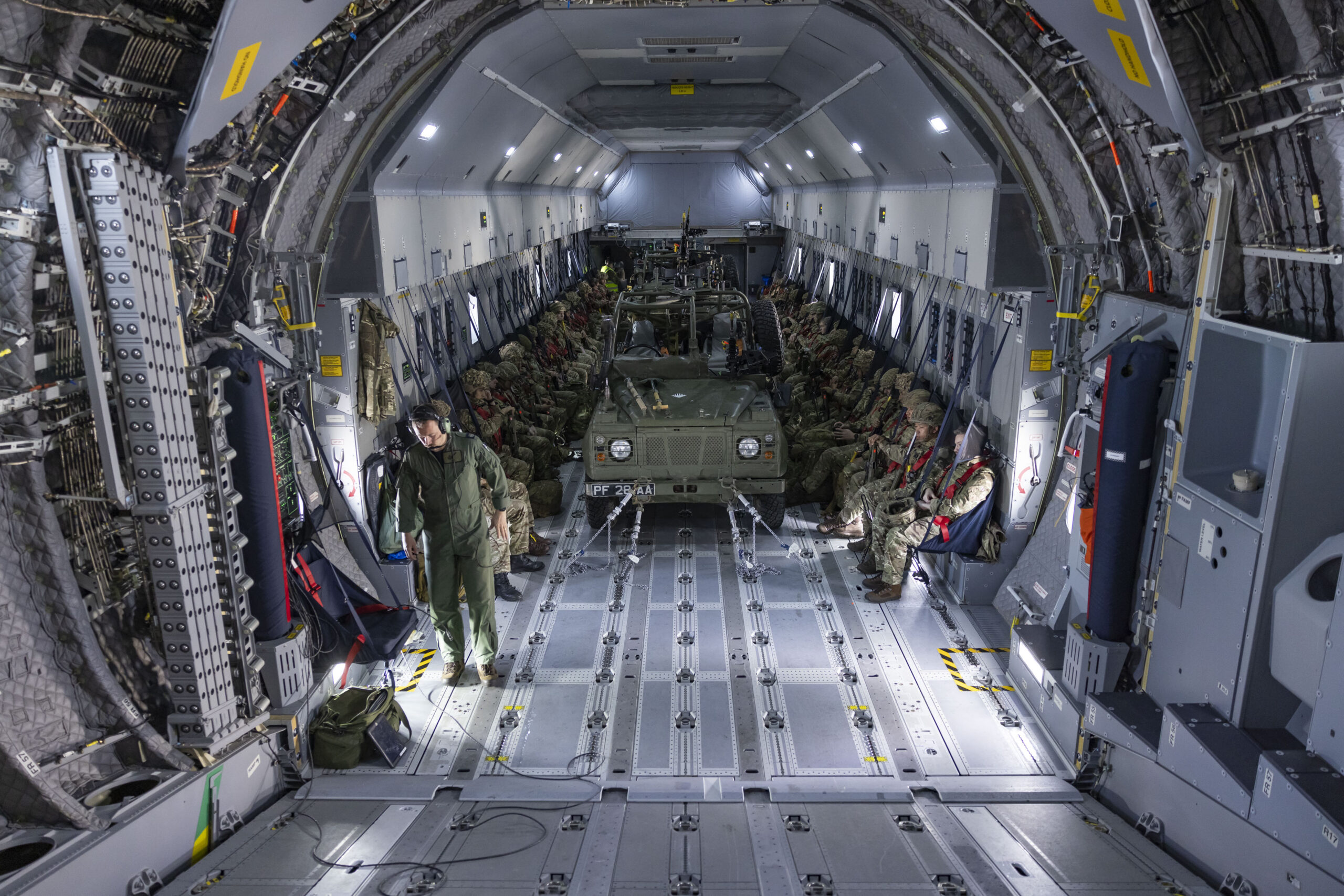
British military personnel have completed their withdrawal from Iraq, marking the end of the Global Coalition’s military mission against Daesh (also known as ISIS) in the country. This significant development concludes more than a decade of operations under Operation Inherent Resolve (OIR), according to official statements from the UK Government. The transition signifies a pivotal moment for Iraq, as its security forces are now deemed capable of assuming primary responsibility for the nation’s defence.
Operation Inherent Resolve, established in 2014, was a multinational military intervention formed to combat the rapid expansion and brutal violence of Daesh across Iraq and Syria. The group had seized vast territories, declared a self-proclaimed caliphate, and posed a severe threat to regional and international security. The Global Coalition Against Daesh brought together 90 partners, including the United Kingdom, to advise, assist, and enable Iraqi partner forces in their fight against the extremist organization. Britain’s specific contribution to this effort was delivered through Operation SHADER.
The decision for coalition forces, including those from the UK, to depart follows a comprehensive assessment by the Global Coalition. This evaluation concluded that the Iraqi Security Forces (ISF) and the Kurdish Peshmerga have developed sufficient capabilities to take the lead in Iraq’s internal security. While the multinational military mission in Iraq concludes, the UK government has affirmed its intention to continue defence cooperation with Baghdad through a new, enduring bilateral relationship.
Over the past decade, British forces under Operation SHADER played a crucial role in building the capacity of their Iraqi counterparts. UK personnel provided extensive training and assistance to more than 111,000 members of the Iraqi Security Forces, including over 21,000 members of the Kurdish Peshmerga. This comprehensive training covered a wide array of essential military skills, including infantry tactics, weapons maintenance, advanced counter-Improvised Explosive Device (C-IED) techniques, critical medical support, and essential engineering capabilities. These efforts were vital in equipping Iraqi forces to confront and ultimately defeat Daesh on the battlefield.
Beyond training, the Royal Air Force (RAF) conducted thousands of sorties throughout the campaign. These air operations included striking more than 2,300 Daesh targets, severely degrading the group’s command and control, logistics, and fighting capabilities. Additionally, RAF aircraft provided crucial intelligence, surveillance, and reconnaissance (ISR) support, offering vital situational awareness to Iraqi ground operations. The UK government credits these combined efforts with significantly strengthening security across Iraq, enabling the return of essential services to liberated areas and facilitating the recovery of communities devastated by the conflict.
It is important to note that the conclusion of the coalition military mission in Iraq does not signify the end of Operation SHADER entirely. The UK government has clarified that Britain will continue its contribution to the wider global effort against Daesh. This ongoing commitment will involve various non-military initiatives, including work aimed at countering the group’s propaganda and reducing the spread of extremist messaging. This pivot reflects an evolving understanding of the enduring threat posed by Daesh, which now includes ideological warfare and online radicalization.
A UK government statement paid tribute to the service members involved:“We pay tribute to the UK personnel who have played their part in the Global Coalition. Working alongside our global Coalition partners, the UK remains committed to ensuring the global defeat of Daesh and its violent ideology including thorough the continuation of Operation SHADER.”
Future UK-Iraq defence cooperation is anticipated to concentrate on several key pillars. These include continued counter-terrorism efforts, military education to foster professional development within the ISF, capability development to modernize and enhance Iraq’s defence apparatus, and defence industrial collaboration, potentially opening avenues for joint ventures and arms procurement. Britain has expressed its commitment to working closely with Iraqi partners to establish what it described as an enduring bilateral defence partnership, moving away from the previous multinational coalition framework.
The government further added:“Our commitment to Iraq and the wider region remains steadfast. Building on a decade of close cooperation, we look forward to developing an enduring bilateral defence partnership with Iraq.”This sentiment underscores the UK’s long-term interest in Iraq’s stability and security, recognizing its critical role in the broader Middle East.
Why This Matters
The withdrawal of British forces and the conclusion of the Global Coalition’s military mission in Iraq represent a pivotal moment with multifaceted implications. For **Iraq**, it signifies a crucial step towards full sovereignty and self-reliance after years of external military presence following the 2003 invasion and subsequent interventions. It reflects a growing confidence in the capabilities of the Iraqi Security Forces and Kurdish Peshmerga to manage internal security threats. However, it also places the onus squarely on Iraqi institutions to maintain stability, confront persistent Daesh cells operating in rural areas, and navigate complex internal political and sectarian dynamics without direct international military support. The success of this transition will be a critical test of Iraq’s nation-building efforts and its capacity to prevent the resurgence of extremist groups.
For the **United Kingdom**, this withdrawal marks a recalibration of its military engagement in the Middle East. It shifts from a direct combat and extensive training role to a more focused, bilateral advisory and partnership model. This change reflects evolving foreign policy objectives, potential reallocation of defence resources, and an adaptation to the changing nature of global security threats. While the kinetic fight against Daesh in Iraq has largely concluded, the UK’s continued commitment to countering extremism through intelligence sharing, propaganda efforts, and bilateral defence partnerships signals a recognition that the threat persists, albeit in a different form. It highlights a preference for targeted, cooperative engagements rather than large-scale military deployments.
For the **Global Coalition Against Daesh**, the conclusion of the military mission in Iraq demonstrates the significant achievements of coordinated international efforts in degrading a once-formidable terrorist organization. It offers a potential template for how such coalitions can operate, achieve their objectives, and transition responsibilities. However, the ongoing commitment to Operation SHADER outside Iraq and efforts against extremist messaging underscore that the fight against Daesh is far from over. The group’s ideology and capacity for asymmetric attacks remain a global concern, meaning counter-terrorism strategies must continue to evolve beyond traditional military engagements to address propaganda, financing, and recruitment across borders. This transition sets a precedent for how international security partnerships might adapt to enduring, transnational threats in the future.