
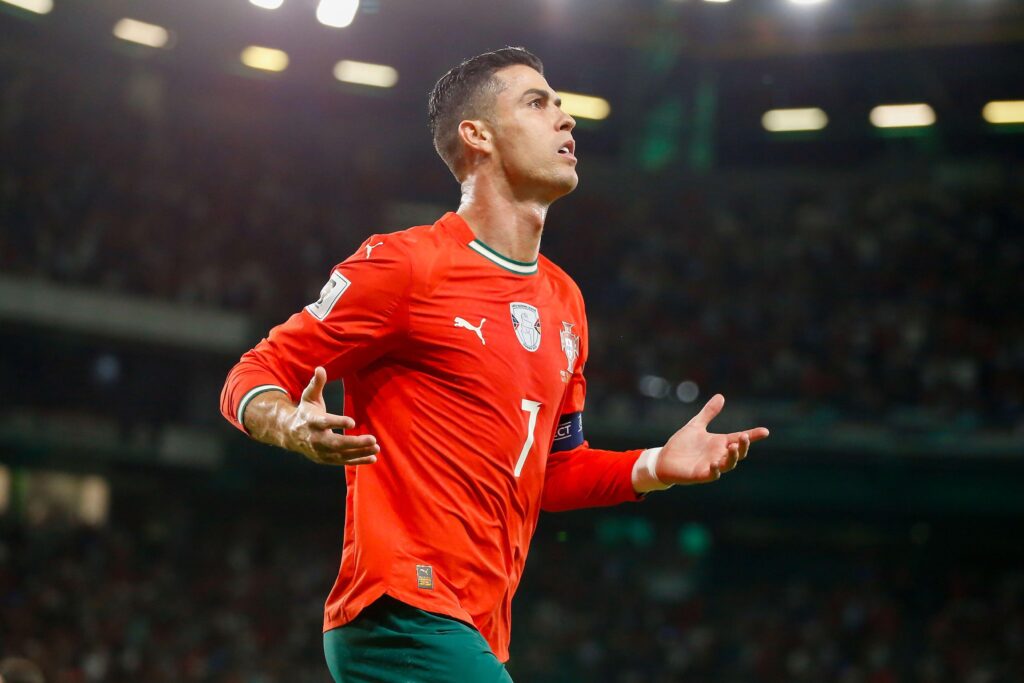
**Seismic Shift in Seleção Camp: Ronaldo’s International Future in Doubt After Explosive Fallout with Jesus!**
The football world holds its breath as a saga of unprecedented magnitude unfolds within the Portugal national team. Cristiano Ronaldo, the undisputed titan, the record-shattering legend, has reportedly stormed out of the national camp, boarding his private jet to Madrid. This stunning development comes hot on the heels of manager Jorge Jesus’s audacious decision to bench him for Portugal’s thrilling 2-1 victory over Norway, coupled with a fiercely unapologetic declaration of his absolute authority.
Spanish outlet Marca dropped the bombshell report, indicating that the legendary 42-year-old forward’s departure marks a profound turning point. Despite Jesus’s earlier attempts to downplay any animosity, insisting “there was never a problem between the pair” just hours before, the tension has clearly reached breaking point. Ronaldo’s international future, already subject to intense speculation following the World Cup, is now teetering on the brink of an abrupt and dramatic end. It’s almost certain he will play no part in Portugal’s crucial remaining Nations League clashes against Denmark and Norway, leaving a gaping void in the Seleção’s attack and a cloud of uncertainty over their immediate aspirations.
The former Real Madrid and Manchester United icon found himself an unused substitute in Sunday’s triumph in Oslo. His replacement, the dynamic Gonçalo Ramos, not only stepped into his colossal shoes but emphatically justified his selection by finding the back of the net – a moment that now resonates with immense significance. Ronaldo had started in the preceding 1-0 win over Wales last week but was visibly substituted in the 67th minute, a decision that, in hindsight, appears to have been an early tremor before this seismic event.
With an astonishing 234 caps and an unparalleled 143 goals, Ronaldo’s legacy is etched into the very fabric of Portuguese football, adorned with Euros and Nations League triumphs. His expected international swansong after the World Cup, where he still managed three goals despite Portugal’s Round of 16 exit, now seems to have been prematurely and acrimoniously brought forward.
Jorge Jesus: The Unyielding Architect of Portugal’s New Era
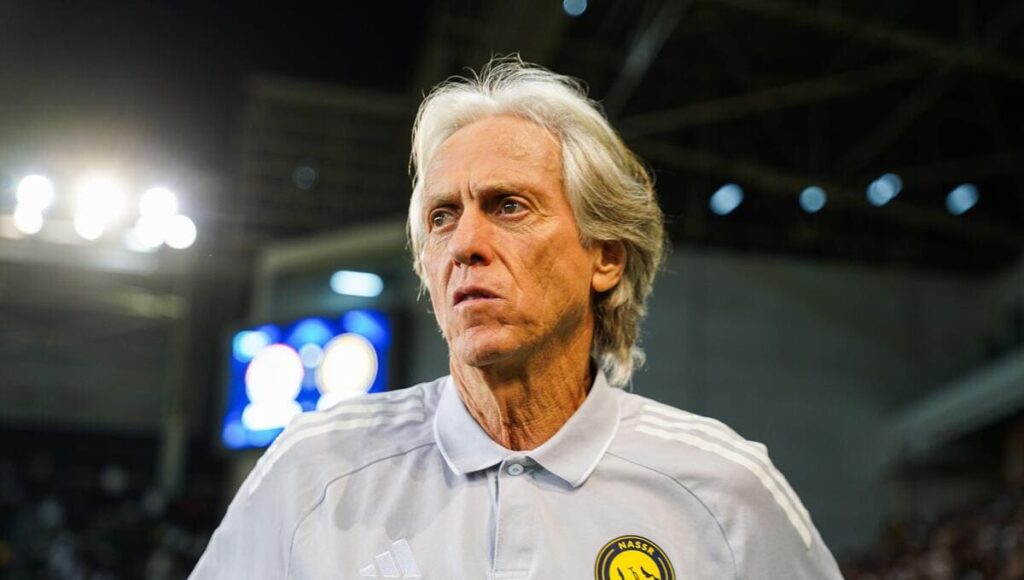
Before the Denmark game, Jorge Jesus, a man renowned for his tactical acumen and iron will, delivered a pre-match press conference that now reads like a declaration of war against the cult of personality. While publicly attempting to diffuse any perceived personal rift with Ronaldo, his message regarding team selection was unequivocally clear: “I’m in charge of who plays.” This wasn’t merely a statement; it was a gauntlet thrown down, asserting that no reputation, no matter how monumental, would sway his tactical choices or undermine his authority.
“I can promise whatever I want. I’m the coach. I’m the coach, I told the player he wasn’t going to play,” Jesus stated with an unwavering gaze. “I’ll put you on the bench. If I need you for 30 minutes, you’ll play; if not, you won’t. No player will make me change my mind. Not him, not anyone in football. Not any president. Never, absolutely no one.” These words were not just aimed at Ronaldo, but at the entire footballing establishment, signaling a bold new era where meritocracy, tactical discipline, and the manager’s vision supersede individual star power. It’s a calculated gamble, but one Jesus, armed with his prior experience coaching Ronaldo at Al-Nassr, appears utterly convinced will pay off.
Game Highlights: Portugal 2-1 Norway (Nations League)
In a match that, in hindsight, served as the unexpected crucible for Portugal’s evolving identity, the Seleção delivered a performance brimming with verve and tactical intelligence against a tenacious Norway side. Jorge Jesus’s bold selection paid immediate dividends, shifting the focus from the absent icon to the surging talent on the pitch.
The opening goal arrived in the 23rd minute, a testament to Portugal’s rejuvenated attacking flow. João Félix, deployed in a more central, fluid role, weaved through the Norwegian defense with exquisite footwork before unleashing a precise, low drive that nestled into the bottom corner. The celebration was vibrant, a collective outpouring of relief and burgeoning confidence.
Norway, however, proved resilient, drawing level just before halftime through a powerful header from Erling Haaland, showcasing his aerial prowess from a corner. The second half saw Portugal raise their tempo, pressing higher and exploiting the channels. The decisive moment came in the 65th minute. A brilliant through ball from Bruno Fernandes split the Norwegian backline, finding Gonçalo Ramos making a perfectly timed run. Ramos, with the weight of expectation on his young shoulders, calmly rounded the goalkeeper and slotted home to restore Portugal’s lead. It was a clinical finish, a statement goal from the man tasked with filling the biggest boots in international football.
Portugal then defended resolutely, with Ruben Dias orchestrating a solid backline, to see out a crucial 2-1 victory. The win was vital for their Nations League campaign, but its true significance now lies in the narrative it inadvertently created: Portugal can win, and win well, without their talisman.
Ronaldo Leaves the Portugal Camp: How the Tectonic Shift Unfolded
What began as a contentious team selection against Norway rapidly spiraled into a full-blown national crisis, shaking the foundations of Portuguese football. The sequence of events paints a stark picture of a standoff between an unyielding manager and an iconic player unaccustomed to the bench.
A few days ago — Ronaldo Starts on the Bench Against Norway
The initial spark of controversy ignited in Oslo. Cristiano Ronaldo, for so long the irreplaceable focal point, was surprisingly relegated to the substitutes’ bench for Portugal’s Nations League clash. Jorge Jesus made a bold tactical call, opting for the youthful exuberance and different profiles of João Félix and Gonçalo Ramos up front. This decision, though initially met with gasps of disbelief, appeared tactically vindicated as both Félix and Ramos found the net in a crucial 2-1 victory. Yet, even in triumph, the shadow of Ronaldo’s absence loomed large.
Ronaldo Does Not Come On
Despite Portugal needing to solidify their lead, and despite Ronaldo warming up with an air of expectation, the final whistle blew with the superstar still clad in his bib. He remained rooted to the bench for the entire 90 minutes. For a player of his stature, who has defined generations of Portuguese football, this was an unprecedented snub, a clear signal from Jesus that tactical necessity trumped historical reverence.
Ronaldo Heads Straight to the Dressing Room
The emotional fallout was immediate and palpable. Following the final whistle, reports indicated Ronaldo bypassed the post-match celebrations with his teammates, heading directly for the sanctity – or perhaps solitude – of the dressing room. This swift exit fueled intense speculation, painting a picture of a deeply frustrated and possibly disrespected legend.
The Following Day – Ronaldo Misses Training
The situation escalated dramatically when Ronaldo failed to join the other substitutes for the usual post-match training session. While Jorge Jesus attempted to defuse the tension by describing Ronaldo’s absence as “normal” for the Madeira-born forward, the explanation rang hollow to many. It signaled, to some, a clear act of defiance or, at the very least, a deep fissure in the player-manager relationship.
Pedro Proença Changes His Plans
The gravity of the situation became undeniable when Portuguese Football Federation president Pedro Proença abruptly altered his travel plans, diverting to Copenhagen. His mission: a high-stakes emergency meeting with both Ronaldo and Jorge Jesus. This intervention from the highest echelons of Portuguese football underscored the seriousness of the crisis gripping the national team.
Wednesday Morning – Ronaldo, Jesus and Proença Meet
The anticipated tripartite meeting took place in Copenhagen, bringing together the captain, the head coach, and the federation president. The footballing world watched, waiting for a resolution to emerge from this summit. The very fact such a meeting was necessary intensified the speculation surrounding Ronaldo’s role and future within the national team.
Jorge Jesus Insists There Is No Problem
Despite the swirling rumors and undeniable tension, Jorge Jesus maintained his public stance: there was no underlying problem with Ronaldo. The coach, drawing on their previous working relationship at Al Nassr where they won the Saudi league, perhaps sought to project an image of control and unity. However, his words struggled to reconcile with the escalating drama.
The Situation Escalates
From a surprising tactical decision to a reported departure, the events have unfolded with a rapid, unrelenting pace. Ronaldo’s omission, his non-appearance, his subsequent absence from training, the direct intervention of federation president Pedro Proença, and finally, the confirmed reports of his leaving the camp – all contribute to a narrative of irreversible breakdown. The precise terms and circumstances of any permanent departure remain to be officially detailed, but the message is clear: the era of undisputed individual supremacy for Cristiano Ronaldo in the Portuguese national team has reached its dramatic conclusion.
Prediction: The End of an Era, The Dawn of a New Seleção
This is more than just a player leaving a camp; it’s a profound inflection point for Portuguese football. My prediction is stark: Cristiano Ronaldo will not play for Portugal again. The bridge has been burned beyond repair. Jorge Jesus, a manager of unwavering conviction, has made his stand, and in doing so, has signaled a definitive shift away from individual star power towards a more cohesive, tactically fluid team unit.
While the immediate aftermath might see some turbulence and questions regarding leadership, Portugal will ultimately emerge stronger. The shackles of relying on one generational talent, however magnificent, will be cast off. Players like João Félix, Gonçalo Ramos, Rafael Leão, and Bernardo Silva will be empowered to step up, to create their own moments, and to forge a new collective identity. The Seleção, under Jesus’s firm hand, will adapt quickly, embrace a more dynamic style, and likely qualify comfortably for upcoming tournaments. The greatest player in their history may be gone, but the team, invigorated by new blood and a clear tactical vision, is poised to write its next glorious chapter.