
Financial influencer Taylor Price joins ‘Varney & Co.’ to break down how shifting your mindset can help Americans grow wealth and achieve the American Dream.
Key Takeaways
- Significant Safety Recall:Hyundai and its luxury brand Genesis are recalling nearly 95,000 vehicles due to a fire risk from overheating power seat motors, marking a critical quality control issue.
- Brand Reputation and Financial Exposure:The recall, particularly impacting the premium Genesis G80, poses substantial threats to brand trust, potential litigation, and significant remediation costs for Hyundai.
- Immediate Investor Reaction:Hyundai Motor Co. (HYMLF) shares experienced a notable drop following the announcement, reflecting acute investor concern over product safety, future sales, and escalating financial liabilities.
Hyundai’s Latest Recall Ignites Investor Concerns: Nearly 95,000 Vehicles Face Fire Risk, Stock Plunges
In a development set to test investor confidence and brand loyalty, Hyundai Motor Co. is once again grappling with a significant vehicle recall, announcing that nearly 95,000 Hyundai and Genesis models are being pulled from the market due to a potential fire risk. The safety concern, stemming from overheating front power seat motors, has immediately sent ripples through investor sentiment, with Hyundai’s stock (HYMLF) experiencing a notable decline, underscoring the market’s acute sensitivity to product safety and quality control issues.
The National Highway Traffic Safety Administration (NHTSA) detailed in its recall report that the front seat slider and height adjustment control switch on non-memory power seats in the affected vehicles may become dislodged or damaged. When subjected to external forces, this defect can cause the switch to remain engaged, leading the seat adjustment motor to operate continuously, even after the occupant has exited the vehicle. Prolonged, unintended operation of the motor risks overheating, significantly increasing the potential for a fire while the vehicle is driving or parked.
This critical safety flaw affects 39,978 model year 2017-2020 Genesis G80 sedans and 54,644 model year 2015-2016 Hyundai Genesis sedans, totaling 94,622 vehicles. Hyundai estimates that approximately 1% of the vehicles under recall possess this specific defect. Owners are advised to watch for warning signs, including a burning odor or inoperative seat control switches.
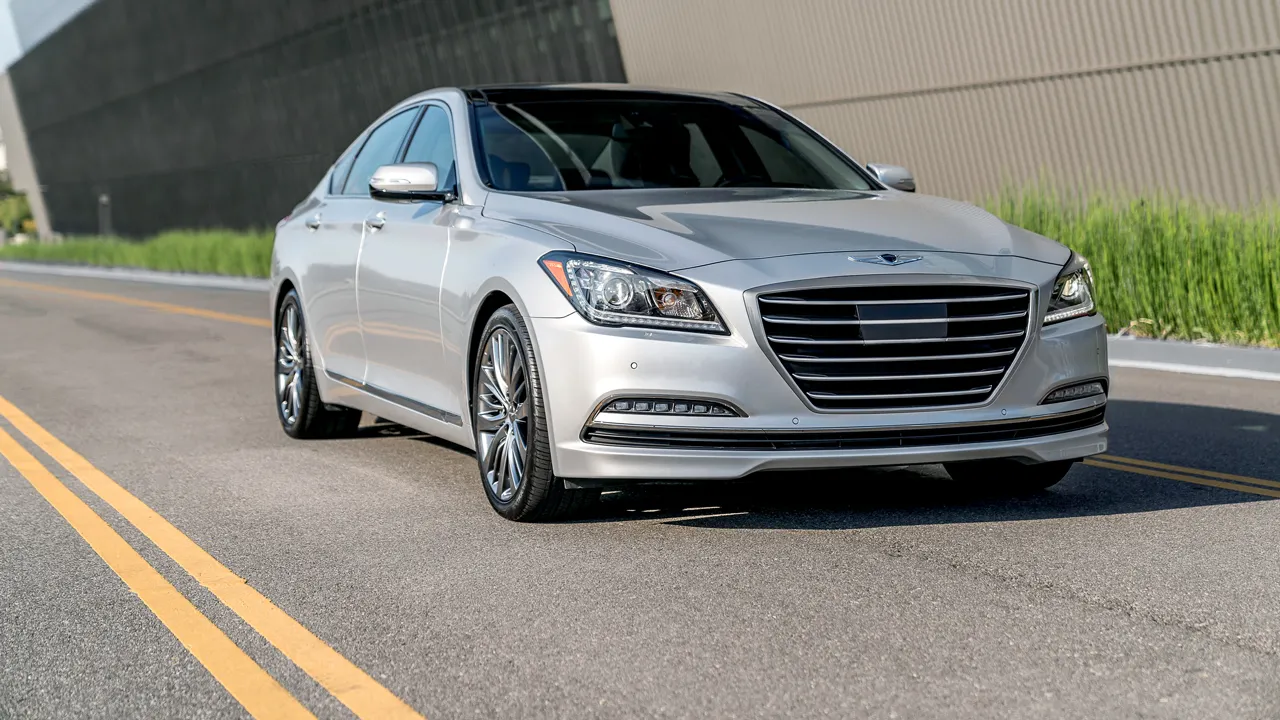
The front of a model year 2017 Genesis G80(Hyundai Motor Co./Genesis)
Broader Automotive Industry Context and Financial Implications
This incident is not isolated; the automotive industry has seen a rising tide of recalls in recent years, driven by increasingly complex vehicle electronics, global supply chain pressures, and heightened regulatory scrutiny. Major manufacturers, including Toyota and Ram, have also recently announced significant recalls, highlighting a systemic challenge in ensuring consistent quality across vast production lines. For Hyundai, however, this particular recall carries specific weight, especially for its luxury Genesis brand.
The financial implications for Hyundai are multifaceted. While the immediate cost of developing and implementing a remedy — which will be free of charge for owners — will be absorbed by the company, the expenses extend far beyond simple repair bills. Hyundai faces substantial administrative overhead, logistical challenges in coordinating repairs across its dealer network, and potential legal exposure from any future incidents or class-action lawsuits. The company has confirmed two fire incidents associated with the defect, though thankfully, no crashes or injuries in the U.S. have been reported as of October 1st.
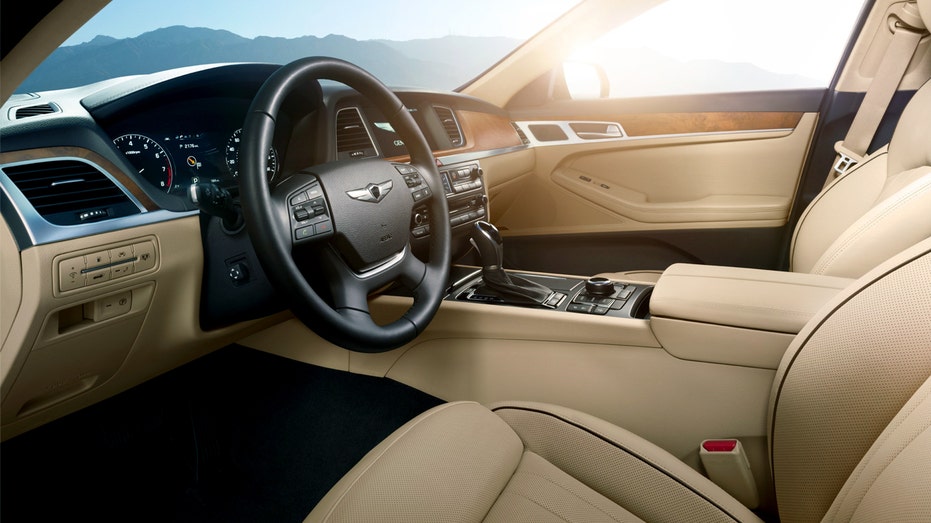
The interior of a model year 2017 Genesis G80 sedan(Hyundai Motor Co./Genesis)
Brand Reputation Under Fire
More critically, recalls, especially those involving fire risks, inflict substantial damage on a brand’s reputation and consumer trust. For Genesis, Hyundai’s relatively nascent luxury arm, this recall could be particularly detrimental. The luxury segment thrives on perceived quality, reliability, and exclusivity. A major safety flaw, especially one tied to fire, undermines this carefully cultivated image, potentially deterring future high-end buyers and impacting resale values across the Genesis lineup. Rebuilding this trust can take years and significant marketing investment, eating into future profitability.
The sharp decline of over 25% in Hyundai Motor Co.’s shares (HYMLF) directly reflects investor anxiety over these accumulating costs and risks. Investors are likely pricing in not only the direct costs of the recall and potential legal liabilities but also the prospect of prolonged sales impacts, increased warranty claims, and the specter of class-action lawsuits. Such a significant drop indicates a re-evaluation of the company’s risk profile and its ability to maintain profit margins and growth trajectories in a highly competitive market.
The NHTSA’s recommendation that owners of the affected cars park outside and away from other vehicles or structures until the repair has been completed is a severe warning, signaling the agency’s serious concerns about the defect’s potential danger. This places immense pressure on Hyundai to expedite a permanent and effective solution. Owners will be notified via mail and can bring their vehicles to a Hyundai dealer or Genesis retailer for the forthcoming repair. A remedy is currently in development, underscoring the urgency for Hyundai to address this critical safety issue swiftly and transparently to mitigate further market and reputational damage.
| Ticker | Security | Last | Change | Change % |
|---|---|---|---|---|
| HYMLF | HYUNDAI MOTOR CO. | 89 | -31.00 | -25.83% |
FOX Business reached out to Hyundai for comment.
Market Impact
The immediate market impact is a clear erosion of investor confidence in Hyundai Motor Co., as evidenced by the significant stock depreciation following the recall announcement. Beyond the immediate share price correction, this incident could trigger a broader reassessment of quality control standards across the automotive sector, particularly among manufacturers expanding into the luxury segment. Competitors will be watching closely, while investors will scrutinize Hyundai’s upcoming earnings reports for signs of increased warranty costs or dampened sales forecasts. The recall serves as a stark reminder that even well-established automakers are not immune to profound market repercussions from product safety failures, necessitating robust quality assurance and swift, transparent corrective actions to maintain market trust and preserve long-term shareholder value.