
Ukrainian Delta Combat System Demonstrates NATO Interoperability at REPMUS 2026 Exercise
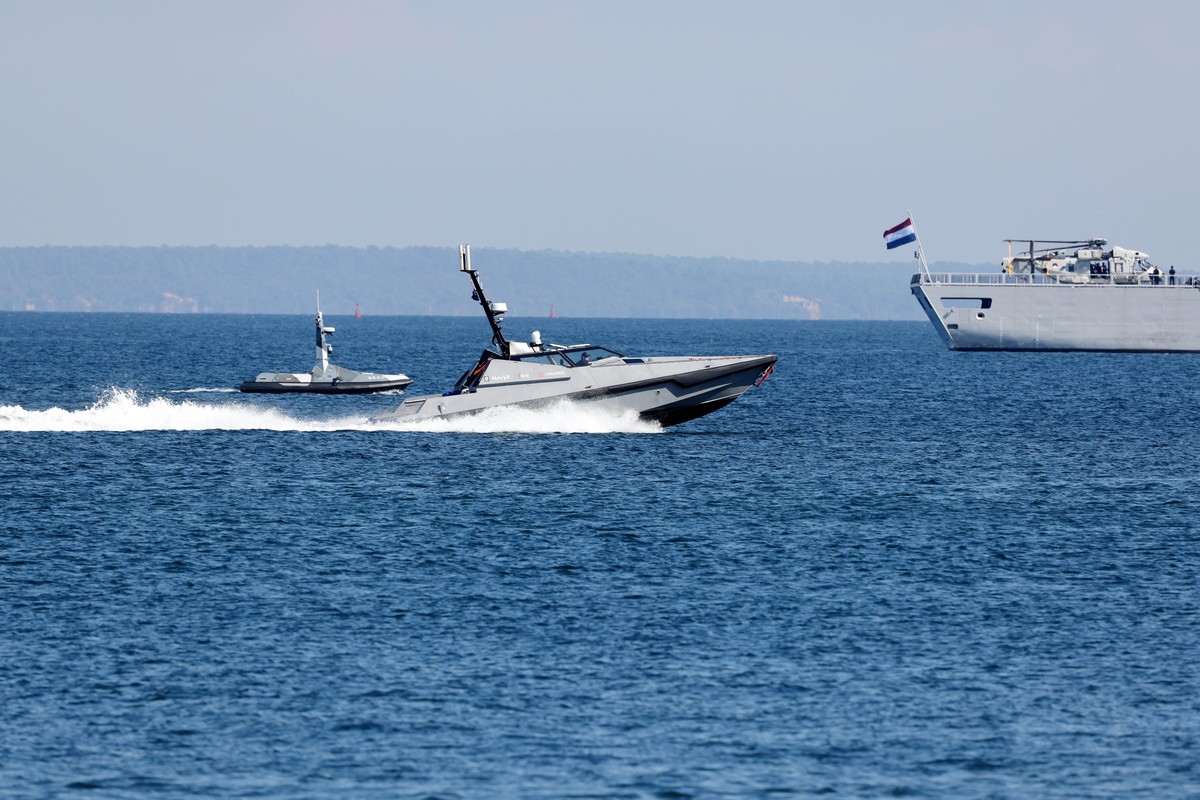
Ukrainian military personnel recently participated in the REPMUS 2026 exercise in Portugal, where they operated maritime systems through the Delta combat system. According to the Ukrainian Ministry of Defence, the exercise successfully integrated a wide array of assets, including uncrewed aerial, surface, and subsurface systems, as well as various radar platforms, all transmitting data in accordance with NATO standards.
The Ministry of Defence highlighted that the exercise “again confirmed DELTA’s compatibility with NATO systems and brought Ukrainian solutions closer to standardization.” This successful integration involved all participating assets transmitting telemetry data in compliance with NATO Standardization Agreement (STANAG) 4817, a critical protocol governing the exchange of command, control, and telemetry information for uncrewed systems within the alliance.
REPMUS, which stands for Robotic Experimentation and Prototyping with Maritime Unmanned Systems, is an annual event organized by the Portuguese Navy. It is recognized as the largest international exercise specifically focused on the operational employment of uncrewed systems in a maritime environment. Ukraine’s participation in REPMUS 2026 marked its third consecutive year at the exercise, demonstrating a sustained commitment to integrating its defense technologies and operational practices with NATO allies.
During the exercise, Ukrainian specialists collaborated with partner nations and allies to “practice the joint employment of unmanned aerial, surface, and subsurface systems and tested interoperability within multinational forces.” The Ukrainian contingent, comprising personnel from various military services and branches, coordinated its activities seamlessly through the Delta system. This multinational training encompassed a range of critical maritime operations, including reconnaissance, comprehensive maritime area monitoring, complex maneuvering exercises, escort procedures, and simulated engagement scenarios.
A key aspect of Ukraine’s participation involved sharing its recent combat experience, particularly regarding the practical employment of uncrewed systems in the maritime domain. This exchange of real-world insights from ongoing conflict provided invaluable lessons for NATO partners, informing their understanding of modern warfare and the evolving role of autonomous technologies.
The Ukrainian Ministry of Defence specifically noted Delta’s robust performance, citing its “uninterrupted operation under unstable connectivity, as well as the ease of streaming in the Vezha module compared with other platforms.” This resilience in challenging communication environments is a crucial characteristic for a combat system operating in contested areas. Delta had previously served as the primary command and control (C2) platform at REPMUS 2025, where it successfully integrated over a hundred uncrewed systems across multiple operational domains, underscoring its proven capability and scalability.
Delta is Ukraine’s indigenously developed situational awareness and command system, conceived and refined during the ongoing conflict. It functions by aggregating a common operating picture from diverse data sources, including drone feeds, various sensors, radar information, and operational reports from frontline units. This comprehensive data is then disseminated to commanders and decision-makers on ordinary, commercially available devices via a web browser interface. The system has become a fundamental component of Ukraine’s targeting infrastructure, with the ministry previously reporting its capability to record over 6,600 enemy targets hit daily, a testament to its operational effectiveness.
The implications of Delta’s successful performance at a NATO exercise, particularly in adherence to NATO standards, extend significantly beyond the immediate scope of the drills. STANAG 4817 is fundamental to enabling seamless communication and coordination among uncrewed systems within the alliance. A system that natively “speaks” this protocol can integrate directly into allied formations without requiring complex translation layers or bespoke interfaces, thereby enhancing operational efficiency and responsiveness. Ukraine has been actively advocating for its battlefield software, including Delta, to be recognized and adopted as an alliance asset rather than solely a national one. Its consistent and high-profile performance at REPMUS over three years significantly strengthens this argument before the navies and defense establishments of NATO member states, who would ultimately be responsible for its potential adoption.
The Royal Navy, a prominent participant at the Troia range where REPMUS takes place, is also deeply invested in this area, particularly through the follow-on NATO Dynamic Messenger exercise, which translates experimentation into operational trials. British uncrewed maritime initiatives, such as the Royal Navy’s autonomy programs and the Atlantic Bastion effort, are similarly focused on integrating crewed and uncrewed platforms into a unified targeting network. This parallel development underscores a broader NATO-wide trend towards enhancing autonomous capabilities and interoperability, placing Ukraine’s advancements with Delta directly within the alliance’s strategic priorities.
Why This Matters
The successful integration and operation of Ukraine’s Delta combat system at NATO’s REPMUS exercise is significant for several reasons, impacting both Ukraine’s defense capabilities and the broader future of military interoperability within the NATO alliance.
Firstly, for Ukraine, this demonstration represents a critical step in its ongoing efforts to align its military infrastructure and operational protocols with NATO standards. By proving Delta’s compatibility with STANAG 4817, Ukraine is not just participating in an exercise; it is actively demonstrating its readiness for deeper integration with NATO forces. This technological alignment is crucial for future coalition operations, enabling Ukrainian forces to seamlessly exchange vital information and coordinate actions with allied nations. It reinforces Ukraine’s strategic goal of eventual NATO membership, showcasing tangible progress towards fulfilling technical and operational requirements.
Secondly, the performance of Delta highlights the transformative potential of modern battlefield software developed under combat conditions. Delta was born out of necessity during an active conflict, a crucible that has forged a highly adaptive and resilient system. Its ability to operate reliably under unstable connectivity and provide a unified common operating picture from disparate sources is a direct reflection of real-world demands. This practical, combat-proven efficacy offers invaluable lessons for NATO’s own development of command and control systems, potentially influencing future alliance-wide architectural decisions for C2 and situational awareness platforms.
Thirdly, the exchange of combat experience is a profound benefit for all participants. Ukraine possesses unparalleled recent experience in employing uncrewed systems in high-intensity conflict. Sharing these insights with NATO allies at REPMUS provides a unique opportunity for Western militaries to learn directly from contemporary warfare, refining their tactics, techniques, and procedures for autonomous operations. This knowledge transfer can accelerate the development and deployment of more effective uncrewed systems and counter-UAS strategies across the alliance, preparing them for future threats.
Finally, the push for Delta to be adopted as a shared alliance asset signifies a shift in how military technologies are viewed and integrated. Instead of individual nations developing proprietary systems, the potential adoption of a combat-proven, interoperable platform like Delta could foster greater cohesion and efficiency across NATO. This approach could reduce redundancy in development, streamline logistics, and enhance collective defense capabilities by standardizing critical operational tools. It also underscores the growing importance of software-defined warfare and the need for flexible, adaptable systems that can evolve rapidly to meet emerging challenges, moving beyond traditional hardware-centric procurement models. This ongoing collaboration and integration at exercises like REPMUS are foundational to building a more cohesive and technologically advanced NATO.