
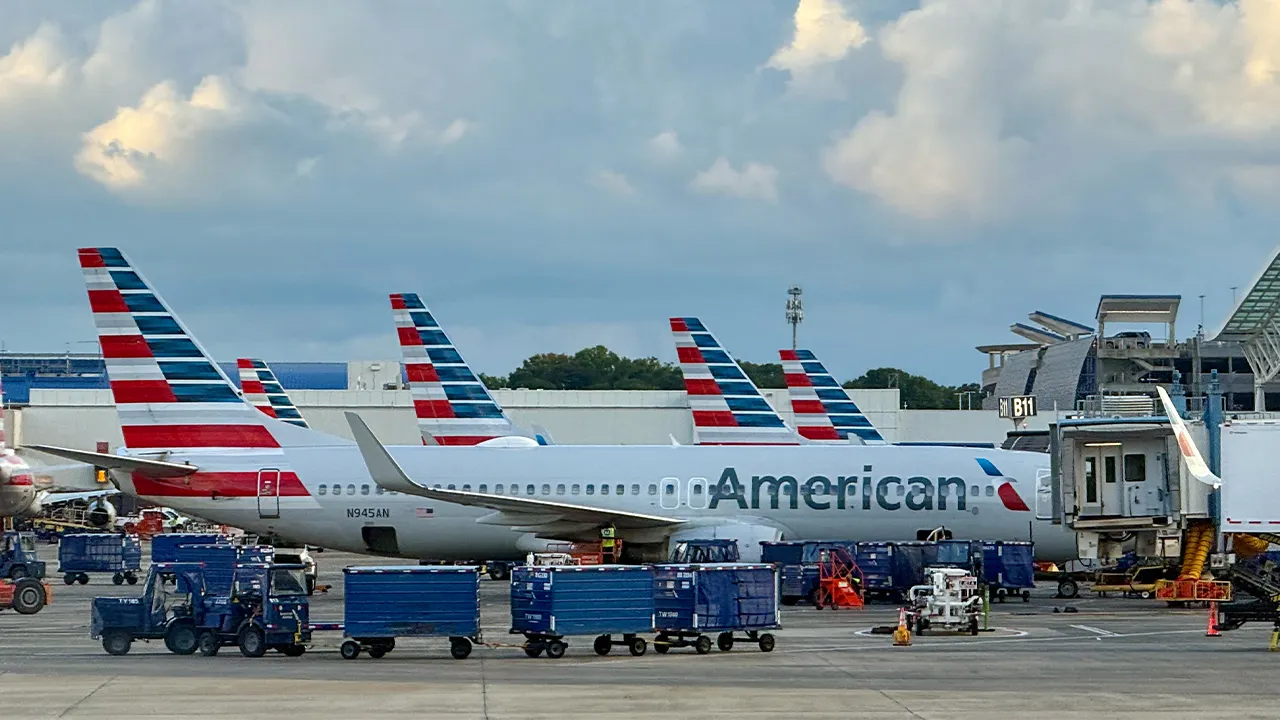
Gen Z travelers are cutting back on dining, haircuts and everyday expenses to afford trips as homeownership and other traditional milestones feel increasingly out of reach.
**Key Takeaways for Investors and Consumers:**
* **Persistent High Airfares:** American Airlines’ guidance indicates that airfares are likely to remain elevated, even with potential declines in crude oil prices, as carriers prioritize recovering “real yields” lost over the past seven years and hedge against ongoing fuel volatility.
* **Strategic Pricing Power:** The airline industry has transitioned from an “oversupply environment” to one characterized by strong post-pandemic demand and disciplined capacity management, allowing major players like American to assert pricing power and push fares back to their 2017 inflation-adjusted levels.
* **Cost Headwinds vs. Demand Resilience:** While record-high jet fuel costs are significantly impacting profitability and slowing future network growth, robust consumer demand for travel, exemplified by Gen Z’s willingness to sacrifice other expenses, provides a crucial counter-balance, albeit one that faces ongoing inflationary pressures.
The skies above the global economy remain turbulent, with American Airlines (AAL) issuing a stark warning that elevated airfares are likely to persist, irrespective of potential dips in crude oil prices. This strategic stance by one of the nation’s largest carriers underscores a pivotal shift in the airline industry’s approach to profitability, moving beyond mere fuel cost recovery to a more aggressive pursuit of real-term yield normalization.
Devon May, American Airlines’ Chief Financial Officer, articulated this new paradigm to the Financial Times, stating, “if fuel comes down, I think airfares probably stay largely where they’re at right now.” Conversely, he added, “If fuel prices go up, we need to generate higher yield, we need to generate higher fares to offset that higher fuel price.” This declaration offers critical insight into the airline’s long-term pricing strategy: current fare levels are not merely a reaction to immediate fuel expenses but rather a foundational reset intended to secure sustainable profitability and compensate for historical underpricing in real terms.
The carrier’s latest financial disclosures reinforce the urgency of this strategy. American Airlines on Thursday released its earnings for the third quarter, reporting deeper losses in 2026. The company updated its full-year forecast to reflect anticipated adjusted losses between $1 and $1.60 a share, a significant deterioration from its July forecast which ranged from a loss of 65 cents to a profit of 65 cents. This revised guidance signals substantial operational headwinds, primarily driven by the relentless surge in jet fuel costs, despite a robust demand environment.
MAJOR AIRLINES CUT FLIGHTS AS HIGHER JET FUEL PRICES HIT CARRIERS
American Airlines projected deeper losses in 2026 due to the surge in fuel costs.(Kevin Carter/Getty Images)
May elaborated on the historical context underpinning current pricing, noting that airlines’ ticket prices hadn’t fully recovered in real terms since the disruptions caused by the COVID-19 pandemic. He candidly admitted that the necessary price hikes “ideally should have happened back in 2024, but the industry found itself in an oversupply environment.” This “oversupply” refers to a period where capacity outstripped demand, forcing carriers to compete aggressively on price, thereby depressing yields. The post-pandemic “revenge travel” phenomenon, coupled with more disciplined capacity management across the industry, has finally created an environment where airlines can reclaim lost ground. “This was the first year that everything came together in a way that we were able to push yields back up to where they were seven years ago in real terms,” May told the outlet, highlighting a strategic victory for the airline business model.
AMERICAN AIRLINES ADDS $1,000 TRUMP ACCOUNT MATCH FOR WORKERS’ CHILDREN
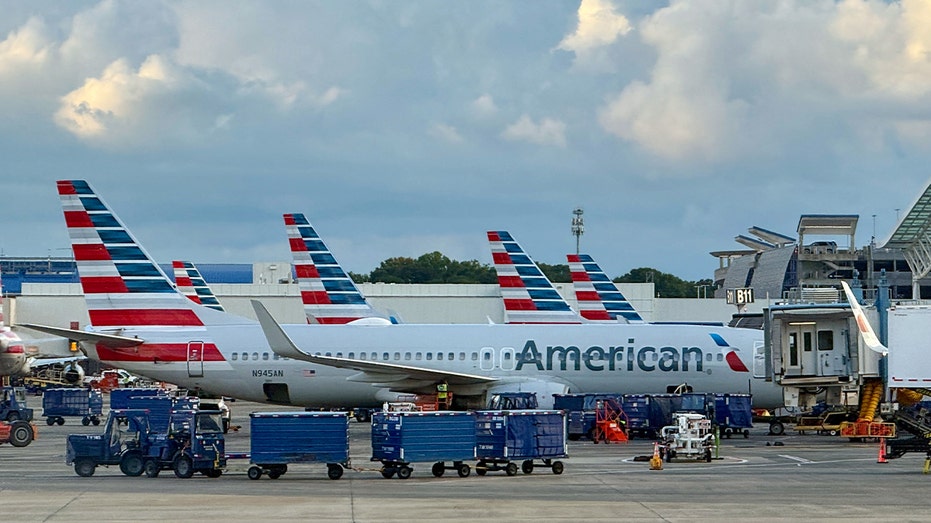
American Airlines said it expects higher fuel costs to persist into the fourth quarter.(Daniel Slim/AFP via Getty Images)
Despite the challenges, American Airlines demonstrated impressive revenue generation. The company reported a 19% year-over-year increase in third-quarter revenue, reaching a figure that surpassed the high end of its previous guidance range. This performance marks the highest revenue in company history, excluding the anomalous post-pandemic recovery years. This robust top-line growth, fueled by strong passenger demand and successful yield management, illustrates the underlying strength of the travel market, even in the face of significant economic pressures.
However, the profitability picture was severely clouded by escalating operational costs. Fuel expenses in the third quarter surged an astounding 67.5% compared with the same period a year ago. This translated into an additional $1.9 billion in higher fuel costs, based on an average price of $3.85 a gallon. The trajectory for the upcoming quarter is even more daunting. American also forecast higher fuel prices will continue into the company’s fourth quarter, with the carrier expecting to face an average fuel price of about $4.70 a gallon – a figure that would nearly double the price in the fourth quarter of 2025 and increase fuel expenses by an estimated $2.8 billion year over year. This dramatic increase in a core operational cost highlights the airline industry’s acute vulnerability to volatility in global energy markets, particularly as geopolitical tensions and supply chain disruptions continue to impact crude oil and refined product prices.
AMERICAN AIRLINES BETS BIG ON INTERNATIONAL FLIGHTS WITH 7 NEW ROUTES
| Ticker | Security | Last | Change | Change % |
|---|---|---|---|---|
| AAL | NO DATA AVAILABLE | – | – | – |
The ripple effect of these elevated fuel prices extends beyond immediate profitability. Due to the sustained high fuel costs, American said that it expects its network growth to slow in 2027 when compared with 2026 levels. This strategic deceleration in capacity expansion is a direct consequence of the need to conserve capital and optimize existing routes for maximum yield, rather than aggressively pursuing new markets. For consumers, this could translate to fewer new direct routes and potentially fewer options, further buttressing the current pricing environment.
The impact of these industry dynamics is already evident in broader economic data. Higher fuel prices have caused airfares to surge, with the most recent data from the Bureau of Labor Statistics showing that airline fares were up 22.4% compared with a year ago in September. This contributes significantly to the overall inflation picture, adding pressure on household budgets and influencing discretionary spending patterns. Interestingly, the report opens with an observation about Gen Z travelers cutting back on other expenses to afford trips, suggesting a degree of inelasticity in demand for travel, even at higher price points. This consumer behavior provides a crucial buffer for airlines, allowing them to maintain elevated fares despite the macroeconomic headwinds of inflation and rising interest rates.
CLICK HERE TO DOWNLOAD THE FOX NEWS APP
**Market Impact:**
American Airlines’ latest guidance and strategic pricing commentary send a clear signal to investors and the broader market. While the revised full-year loss forecast will likely exert near-term pressure on AAL shares, the airline’s demonstrated ability to generate record revenue and its commitment to sustained yield management suggest a long-term strategy aimed at improving profitability. This emphasis on pricing power, even in the face of commodity price shocks, could be viewed positively by investors seeking resilient business models within the cyclical airline sector. For the broader industry, American’s stance indicates a collective pricing discipline that may benefit other carriers as well, potentially stabilizing revenue streams across the board despite lingering operational challenges. Furthermore, the persistent rise in airfares contributes to inflationary pressures across the economy, impacting consumer spending beyond travel and potentially influencing central bank policy discussions. The battle between robust consumer demand for experiences and the escalating costs of delivering those experiences will remain a key theme for the market to monitor.