
Ocius Technology Inaugurates Advanced Hub for Uncrewed Vessels in Sydney Amidst Major Expansion
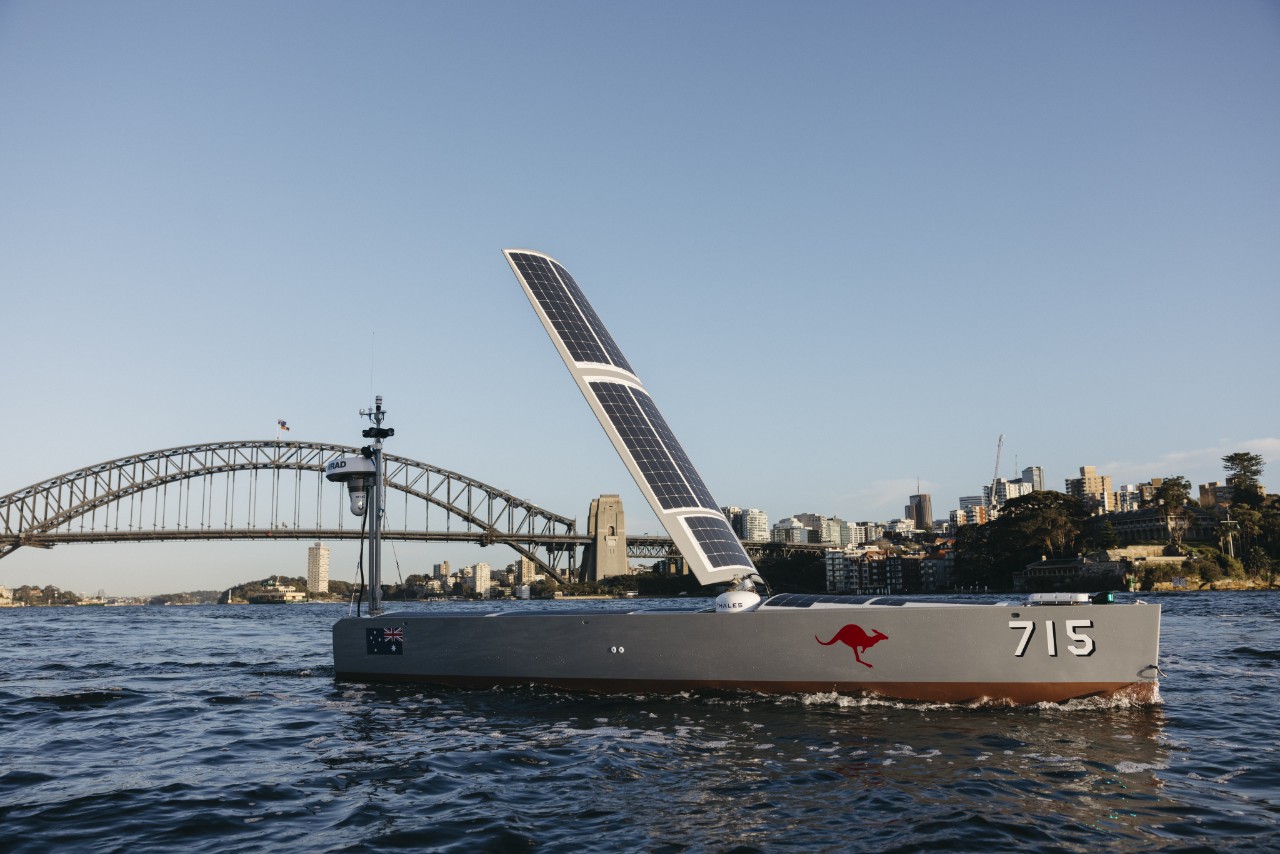
Ocius Technology, an Australian firm specializing in uncrewed maritime systems, has officially opened a new engineering, production, and maintenance hub for its Bluebottle uncrewed surface vessels (USVs) in Sydney. The facility, which also houses a 24/7 global operations centre, marks a significant step in the company’s expansion plans, driven by a substantial A$176 million investment from the Australian government aimed at delivering an additional forty Bluebottle vessels. The inauguration ceremony took place on October 16 and was attended by key representatives from the Royal Australian Navy, along with various customers and industry partners.
This domestic expansion follows the earlier establishment of Ocius’s first international maintenance base in Auckland, New Zealand, managed by its subsidiary, Ocius New Zealand. Both developments underscore the company’s commitment to scaling its operations and capabilities to meet both national defence requirements and growing international demand for its innovative maritime technology.
Robert Dane, Chief Executive of Ocius Technology, articulated the strategic importance of the new Sydney facility. He stated that the opening represents a crucial advancement in Ocius’s evolution and its capacity to provide sovereign maritime technology at scale for clients globally. Mr. Dane emphasized that the hub consolidates the necessary personnel, technological expertise, and manufacturing capabilities to accelerate the production of Australia’s Bluebottle fleet, sustain vessels already deployed at sea, and effectively respond to the increasing global interest in their products. He highlighted the company’s journey from a research and development operation at the University of New South Wales (UNSW) to its current status as a major Australian manufacturing base with an expanding international footprint, showcasing the potential of Australian innovation to transform research into operational technology.
Pat Conroy, the Australian Minister for Defence Industry, offered a direct assessment of the Bluebottle vessels’ utility and the significance of Ocius’s contribution. He lauded Ocius as a prime example of Australian innovation and ingenuity, noting its role in creating over 70 jobs within the last twelve months and supporting numerous other small businesses through its supply chain. Minister Conroy explicitly stated, “I’ve said before that I want potential adversaries to understand that when they see an Ocius Bluebottle USV, it is a signal to get out of our ocean.” He added that the new facilities would be instrumental in supplying Bluebottles to the Royal Australian Navy, fulfilling international orders, and enhancing Ocius’s overall maritime operations capability.
Tim Ayres, the Minister for Industry and Innovation, echoed these sentiments, emphasizing that facilities like Ocius’s new hub exemplify the strength of Australian advanced manufacturing. He noted their role in converting homegrown research and innovation into high-value jobs, fostering sovereign capability, and producing goods capable of competing effectively on a global scale.
The Bluebottle vessels are distinguished by their advanced propulsion system, harnessing solar, wind, and wave energy. This enables them to operate at sea for extended periods without human intervention, providing persistent intelligence, surveillance, and reconnaissance (ISR) capabilities. Ocius describes these vessels as “satellites of the sea,” highlighting their long-duration, wide-area monitoring potential. The Sydney facility is equipped to build a hybrid variant of the Bluebottle, which incorporates diesel as a supplementary fuel source for enhanced operational flexibility. Additionally, the hub dedicates significant space to research and development, focusing on advancements in sensor technology, autonomy, and mission systems. The company’s workforce has expanded significantly, now exceeding 130 employees.
Bluebottle USVs have achieved AUKUS Authorised User Status, a testament to their interoperability and security standards within the trilateral security pact between Australia, the United Kingdom, and the United States. These vessels are currently in service with several key defence and border protection agencies, including the Royal Australian Navy, the Australian Border Force, and the Royal New Zealand Navy. They are also deployed with the United States via the prime contractor ThayerMahan, indicating their growing international adoption and strategic relevance in modern maritime operations.
Why This Matters
The expansion of Ocius Technology, particularly with its new Sydney hub and substantial government investment, carries significant implications across several critical domains, from national security and economic development to technological innovation and international relations:
Geopolitical and Regional Security:In an increasingly complex Indo-Pacific region, marked by heightened maritime activity and territorial disputes, persistent intelligence, surveillance, and reconnaissance (ISR) capabilities are paramount. The Bluebottle USVs, with their extended endurance and autonomous operation, offer an efficient and cost-effective solution for enhancing maritime domain awareness across Australia’s vast exclusive economic zone and beyond. Minister Conroy’s explicit statement about Bluebottles signaling adversaries to “get out of our ocean” underscores their role as a deterrent and a tool for asserting sovereign rights and maintaining regional stability. Their AUKUS Authorised User Status also highlights their potential for interoperability and collaboration with key allies, strengthening collective security efforts.
Technological Advancement and Innovation:Ocius’s Bluebottle vessels represent a leading edge in autonomous maritime technology. Their reliance on renewable energy (solar, wind, wave) for propulsion is a significant innovation, offering environmental benefits alongside operational advantages like reduced logistical footprint and prolonged mission times. The continuous research and development in sensors, autonomy, and mission systems housed at the new hub will further push the boundaries of uncrewed systems, potentially leading to breakthroughs applicable across various sectors, from environmental monitoring to disaster response. This positions Australia as a significant player in the global autonomous systems market.
Economic Impact and Sovereign Capability:The A$176 million government investment and the establishment of the Sydney hub are direct boosters for Australia’s defence industry and advanced manufacturing sector. The creation of over 70 new jobs in the past year, with a total workforce exceeding 130, demonstrates tangible economic benefits through high-value employment. Furthermore, developing and manufacturing critical defence technology domestically enhances Australia’s sovereign capability, reducing reliance on foreign suppliers for vital security assets. This not only secures local jobs but also ensures greater control over technology and supply chains, crucial for national resilience.
Future of Naval Warfare and Operations:The increasing adoption of uncrewed surface vessels like the Bluebottle by navies and border forces globally signals a fundamental shift in maritime strategy. USVs offer a way to conduct dangerous, dull, or dirty missions without risking human lives, at a fraction of the cost of crewed vessels. Their ability to maintain a persistent presence for ISR, patrol, and even environmental monitoring for extended periods offers unparalleled operational flexibility and efficiency. This trend is likely to accelerate, making investments in uncrewed platforms crucial for maintaining a competitive edge in future naval operations and maritime security challenges.