
British Army Exercise Bolsters Civilian Medical Skills and Military-Civilian Healthcare Collaboration
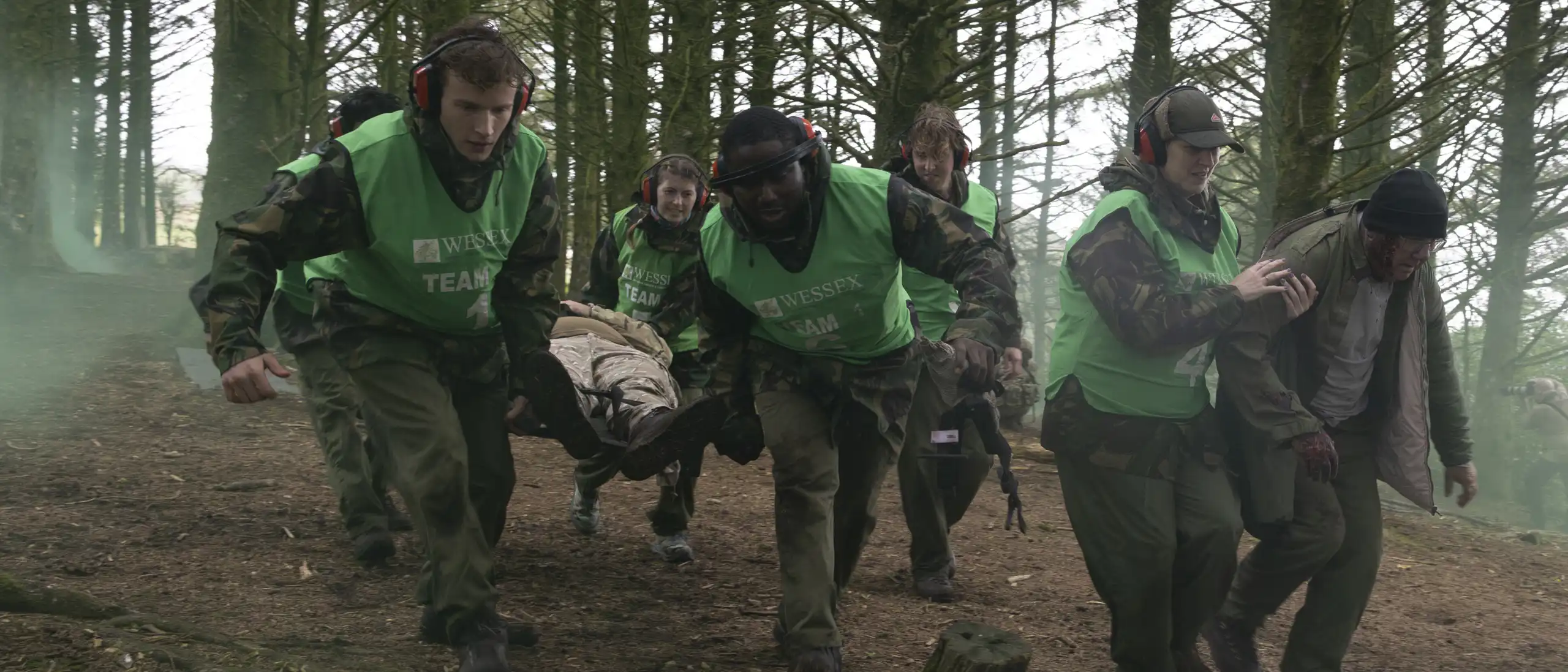
More than 16 healthcare teams from across the south and southwest of England recently participated in Exercise Medical Endeavour, an intensive two-day training event on Dartmoor designed to test their medical, leadership, and decision-making skills under simulated military conditions. Hosted at Okehampton Training Camp by the British Army’s 243 (Wessex) Multi-Role Medical Regiment, the annual exercise aims to enhance the capabilities of National Health Service (NHS) professionals while strengthening vital links between civilian healthcare providers and the Army Reserve.
The event drew medical personnel from various NHS trusts, immersing them in a series of physically and mentally demanding challenges. According to the British Army, participants traded their usual hospital scrubs for military combat attire, facing scenarios that pushed them beyond their clinical comfort zones. The primary objectives were to evaluate and improve leadership, teamwork, and the ability to make critical decisions under significant pressure, mirroring conditions often encountered in military operations or major civilian emergencies.
Warrant Officer Class One Jane Hosker of the 243 Multi-Role Medical Regiment highlighted the transformative nature of the exercise. “This takes participants out of their comfort zone, gives them a taste of military life and makes them realise that they can achieve more than they think they can,” she stated. Hosker also pointed to the exercise’s role as a potential recruitment pathway, noting, “There are several medical professionals here today as Army Reservists who started out on an Exercise just like this one.” This underscores the event’s dual purpose: enhancing civilian medical readiness and cultivating interest in military service.
Teams, typically comprising eight individuals, navigated a diverse range of activities. These included high-stress casualty care simulations, where participants treated “casualties” under simulated fire, and complex casualty management scenarios demanding immediate and effective medical intervention. Beyond clinical skills, the exercise incorporated military problem-solving tasks such as advanced map reading and navigation, including segments conducted while blindfolded to simulate compromised visibility or sensory deprivation. The culmination of the rigorous training was the camp’s challenging obstacle course, further testing physical resilience and team cohesion.
Across all challenges, the core competencies of clear communication, acute situational awareness, effective leadership, responsive followership, and rapid decision-making under severe stress were rigorously assessed. The British Army emphasized the “mutual benefits” derived from such collaborations, particularly when NHS employers actively support staff who serve, or express interest in serving, in the Volunteer Reserve Forces. This partnership ensures that reservists can maintain their civilian careers while contributing to national defence, bringing unique skills and experiences back to their civilian roles.
Among the participants was Dr. Nathani Ogbu, a medical doctor at Torbay Hospital with prior experience working alongside military personnel in Nigeria. Dr. Ogbu, who is currently in the process of applying to join the Army Reserve, articulated the direct applicability of the training. “I’ll be able to take elements from this weekend and use day-to-day at work. For me it is all about communication, teamwork, and interpersonal relationships,” she explained. Her aspiration to combine her medical expertise with a military environment in the future exemplifies the exercise’s success in inspiring medical professionals towards reserve service.
The latest iteration of the event, Exercise Medical Endeavour, saw Kernow Health, a team representing Royal Cornwall Hospital Trust, recognized as the overall winner. This annual event has a history of fostering inter-NHS competition and collaboration, previously running as the South West NHS Military Challenge, with Dorset County NHS Trust securing the title in 2024. These regional challenges are part of a broader national effort to integrate and enhance medical capabilities. For instance, soldiers from 144 (Parachute) Medical Squadron trained alongside the Scottish Fire and Rescue Service in a simulated gas explosion scenario near Glasgow this year, demonstrating interoperability with other emergency services. Similarly, in 2019, 256 (City of London) Field Hospital hosted Exercise Medical Challenge, involving 97 NHS staff, highlighting a sustained commitment to such joint training initiatives across the UK.
Why This Matters
The Exercise Medical Endeavour holds significant importance for several reasons, impacting national resilience, healthcare professional development, and the operational readiness of the British Armed Forces:
- Enhanced National Resilience:By training civilian healthcare professionals in high-pressure, unconventional environments, the exercise significantly boosts the UK’s capacity to respond to a wide array of crises. This includes not only military contingencies but also major civilian incidents such as large-scale accidents, natural disasters, or public health emergencies like pandemics. The ability of NHS staff to operate effectively under extreme duress, manage mass casualties, and make rapid decisions is crucial for national preparedness.
- Transferable Skills for Civilian Healthcare:The skills honed during the exercise—such as advanced communication, leadership in chaos, rapid decision-making, and teamwork under extreme stress—are directly transferable and highly beneficial to daily NHS operations. These capabilities improve patient care in routine settings and are invaluable during critical incidents within hospitals, enhancing the overall quality and efficiency of the civilian healthcare system.
- Strengthening Military Medical Capability:The exercise serves as a vital pipeline for attracting skilled medical professionals into the Army Reserve. This recruitment is crucial for maintaining a robust and capable military medical corps, ensuring that the British Armed Forces have access to trained healthcare providers for both domestic support and overseas deployments. The exposure to military life also familiarizes potential reservists with the unique demands of military medicine.
- Fostering Civil-Military Interoperability:Regular interaction and training between civilian NHS teams and Army Reserve medical units break down silos and build crucial understanding and trust. This interoperability is essential for seamless coordination during any joint operation or national emergency, ensuring that military and civilian assets can work together efficiently and effectively, leveraging each other’s strengths.
- Unique Professional Development:For healthcare professionals, participating in Exercise Medical Endeavour offers a unique opportunity for professional growth that complements traditional medical education. It provides an immersive experience in leadership, crisis management, and practical application of skills in a simulated combat or disaster environment, fostering adaptability and resilience not typically developed in conventional clinical settings.
- Mutual Benefits for Employers:The British Army’s emphasis on mutual benefits highlights the strategic advantage for NHS trusts in supporting staff who serve or are interested in the Reserve forces. These employees return to their civilian roles with enhanced leadership, organizational, and crisis management skills, contributing a unique perspective and greater resilience to their teams and departments.