
Nordic Defense Giants Launch Joint Venture to Bolster Military Aircraft Maintenance Capacity
Defence Aviation Services Aims to Strengthen Nordic and Allied Air Forces Amid Heightened European Security Concerns
Copenhagen, Denmark –Two prominent Nordic defense and aerospace companies, Denmark’s Terma and Norway’s Kongsberg Aviation Maintenance Services (KAMS), have officially launched Defence Aviation Services (DAS), a new joint venture dedicated to the maintenance, repair, and overhaul (MRO) of military aircraft. This strategic initiative is set to significantly enhance sustainment capabilities for Denmark and its allies, addressing growing demands fueled by the evolving security landscape across Europe.
The formal launch ceremony took place at the Norwegian Ambassador’s residence in Copenhagen, underscoring the collaborative spirit and diplomatic significance of this cross-border defense industrial partnership. Defence Aviation Services will primarily operate its MRO facilities in Denmark, providing essential services for various military aircraft types, with an explicit mandate to support not only Danish needs but also broader Nordic and allied fleets.
A Convergence of Expertise
The joint venture leverages the distinct yet complementary strengths of its parent companies to create a robust and comprehensive MRO offering. Terma, a leading Danish high-tech defense and aerospace manufacturer, brings to the partnership decades of experience supporting the Danish Armed Forces. Its expertise spans critical areas such as radar systems, advanced self-protection equipment for aircraft, and mission-critical components, providing a deep understanding of the operational requirements and logistical demands inherent in national defense. Terma’s long-standing relationship with Danish military aviation positions DAS to seamlessly integrate into existing maintenance frameworks and meet specific national needs.
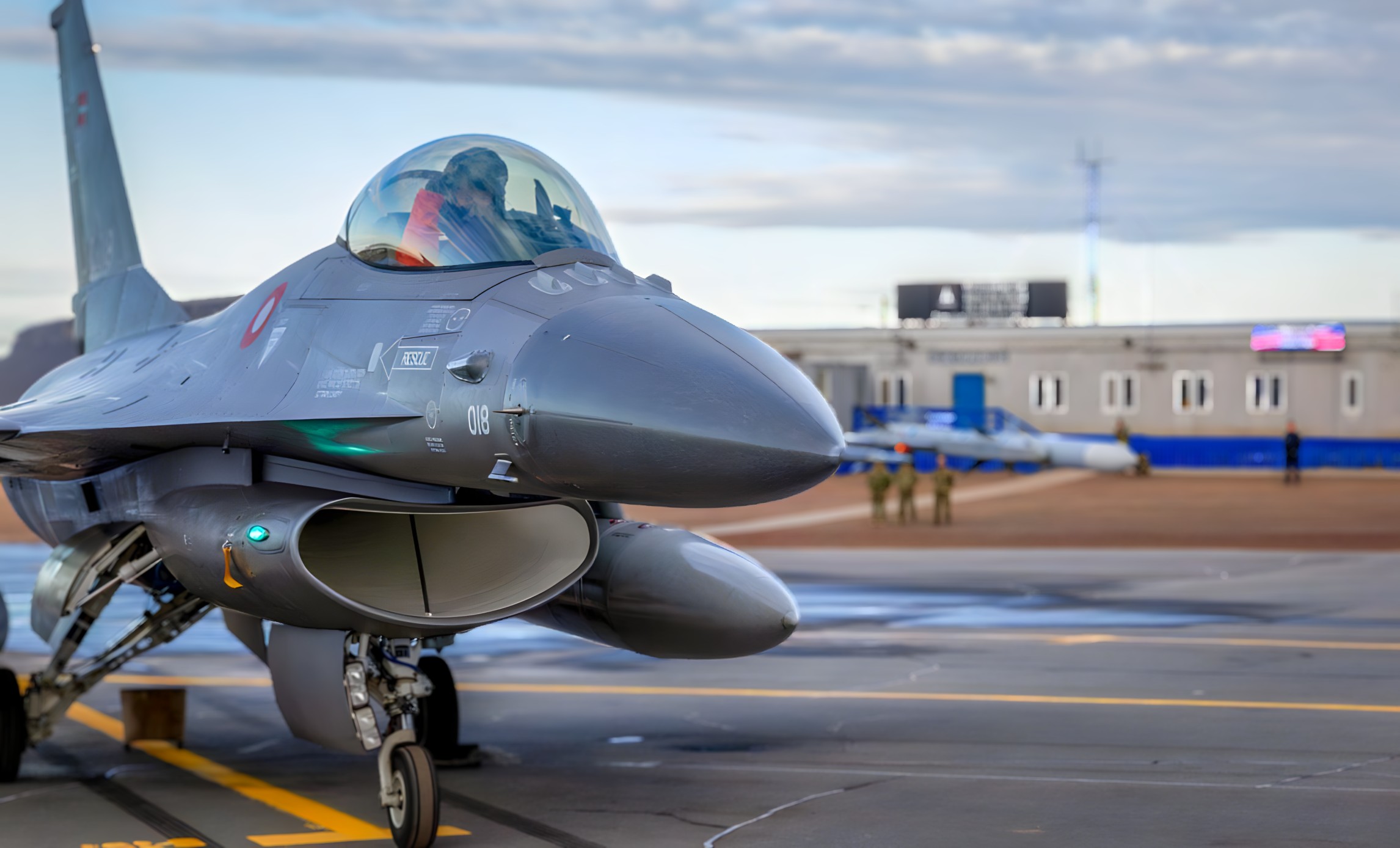
Kongsberg Aviation Maintenance Services (KAMS), a subsidiary of Norway’s globally recognized Kongsberg Gruppen, offers extensive and specialized experience in advanced military aircraft MRO. KAMS has been a critical provider of sustainment services for the Norwegian military, particularly for its modern and complex fleet. This includes sophisticated fifth-generation platforms such as the F-35 Lightning II joint strike fighter, the P-8 Poseidon maritime surveillance aircraft, and the F-16 Fighting Falcon multirole fighter, as well as various helicopter platforms and propulsion systems. KAMS’s proven track record with these advanced aircraft ensures that Defence Aviation Services will possess high-level technical proficiency and immediate credibility from its inception, capable of handling cutting-edge military aviation technology.
The combination of Terma’s intimate knowledge of Danish defense needs and KAMS’s specialized technical capabilities for state-of-the-art aircraft creates a strategically important MRO provider. This synergy is expected to yield significant efficiencies, a broader service offering, and enhanced responsiveness compared to what either company could achieve individually, establishing a formidable force in regional aviation sustainment and resilience.
Responding to a New Geopolitical Reality
The establishment of Defence Aviation Services comes at a critical juncture for European security. The ongoing conflict in Ukraine has fundamentally altered the geopolitical landscape, prompting NATO member states and their partners to significantly increase defense spending, enhance military readiness, and bolster logistical support capabilities. The demand for reliable and efficient military aircraft maintenance has surged as air forces conduct more frequent exercises, maintain higher operational tempos, and integrate new platforms into their fleets.
Oscar Cosman Brøndum, Interim CEO of Defence Aviation Services, articulated this urgency during the launch, stating, “The European security situation calls for greater aviation sustainment capacity. Through Defence Aviation Services, we can take on more maintenance work, free military personnel for operational tasks, and build the sovereign capability Denmark and its allies will increasingly require.” This statement underscores the dual benefit of the venture: not only expanding maintenance bandwidth but also allowing highly trained military personnel to focus on core operational duties, thus optimizing overall defense posture and readiness.
Øyvind Kolset, Chairman of the KAMS Board of Directors, emphasized the collaborative and strategic rationale behind the partnership. He noted, “The launch of Defence Aviation Services reflects a shared belief that future defense challenges are best addressed through allied cooperation and strong national industrial capabilities. Building on KAMS’ decades of experience supporting Norwegian military aviation, we are proud to join forces with Terma to help meet growing sustainment requirements, support common aircraft fleets and strengthen defence readiness across the Nordic region.” His remarks highlight a broader trend towards enhanced defense industry collaboration among allied nations, particularly within the Nordic bloc, to achieve collective security goals and reinforce regional stability.
Strategic Ambitions and Future Outlook
The ambitions for Defence Aviation Services extend beyond merely augmenting current maintenance capacities; they encompass a long-term strategic vision for regional defense. Henriette Hallberg Thygesen, Terma CEO, articulated this broader aim: “Our ambition with Defence Aviation Services goes beyond creating additional maintenance capacity. We are building a long-term Nordic sustainment capability around shared military platforms, strengthening security of supply and enabling Denmark and its allies to operate more effectively together.”
This vision points to several key strategic objectives:
- Long-term Regional Sustainment:The venture aims to develop a durable and resilient MRO ecosystem within the Nordic region, thereby reducing reliance on external or distant facilities, which can be vulnerable in times of crisis.
- Support for Common Platforms:A significant focus will be placed on servicing aircraft types shared across allied nations. This includes platforms like the F-35s operated by Norway and potentially Denmark in the future, P-8s by Norway, and other NATO standard platforms, which will enhance interoperability and logistical commonality across allied air forces.
- Strengthening Security of Supply:In an era characterized by potentially disrupted global supply chains and heightened geopolitical tensions, having a robust, regionally controlled MRO capability is crucial. It significantly reduces vulnerabilities and ensures that critical military assets remain operational and ready for deployment.
- Enhanced Allied Effectiveness:By streamlining maintenance and logistics for shared platforms, DAS aims to enable Denmark and its allies to deploy and operate their air forces more efficiently and cohesively during joint operations, exercises, or emergent crises, thereby contributing to collective defense.
The establishment of DAS is a tangible step towards greater defense industrial self-sufficiency and interoperability in Northern Europe, aligning with broader NATO initiatives to improve the readiness, resilience, and collective capabilities of member states’ armed forces.
Why This Matters
The launch of Defence Aviation Services represents a significant development for regional and allied defense capabilities, with implications extending across geopolitical, economic, and strategic domains.
Geopolitical Imperative:
In the wake of Russia’s full-scale invasion of Ukraine, European nations are fundamentally re-evaluating and reinforcing their defense postures. This joint venture directly addresses the urgent need for increased military readiness and sustainment capacity within NATO and its partner nations. By ensuring that critical air assets can be maintained and returned to service swiftly within the region, DAS contributes directly to the collective defense and deterrence capabilities of NATO’s northern flank. It underscores a firm commitment by Nordic nations to shoulder greater responsibility for their own security and that of their allies, reducing potential dependencies on MRO facilities outside the immediate operational theater.
Enhancing Military Readiness and Operational Efficiency:
Military aircraft are complex, high-value assets that require continuous, specialized maintenance to ensure their availability. The establishment of a dedicated, high-capacity MRO facility like DAS means quicker turnaround times for both scheduled maintenance and unexpected repairs. This directly translates to higher operational availability rates for air forces, allowing more aircraft to be deployed for training, surveillance, and potential combat missions. Furthermore, by professionalizing and centralizing MRO services, highly trained military personnel who would otherwise be engaged in extensive maintenance tasks can be reallocated to core operational roles, specialized unit duties, or advanced tactical training, thereby optimizing the utilization of human resources within the armed forces.
Strengthening the European Defense Industrial Base:
This collaboration between Terma and KAMS is more than just a service agreement; it is a substantial investment in the European defense industrial and technological base. It fosters the development of specialized skills, creates high-tech employment opportunities, and encourages innovation in military aviation sustainment technologies. Such ventures are crucial for building resilience within Europe’s defense ecosystem, ensuring that essential capabilities are maintained domestically or regionally. This strategy reduces reliance on third-party nations or potentially vulnerable global supply chains, thereby strengthening the overall security of supply for critical defense equipment and expertise.
Promoting Nordic and Allied Interoperability:
Many NATO and allied nations operate common aircraft platforms, such as the F-35, F-16, and P-8. A regional MRO hub explicitly designed to service these shared assets simplifies logistics, standardizes maintenance protocols, and significantly enhances interoperability among allied air forces. When allied aircraft can be serviced at a common, trusted facility, it fosters closer operational ties and facilitates seamless joint exercises and deployments. This initiative directly aligns with NATO’s broader strategic goal of increasing standardization and interoperability among member states to create a more cohesive and effective alliance.
Economic Impact and Technological Advancement:
Beyond the direct defense benefits, the establishment of Defence Aviation Services represents a significant economic investment. It will create highly skilled jobs in Denmark and potentially across the broader Nordic region, driving local economic growth and attracting talent. The maintenance, repair, and overhaul of advanced military aircraft necessitate continuous technological advancement, research, and development in areas such as predictive maintenance, advanced materials science, digital diagnostics, and cybersecurity for aviation systems. This commitment to cutting-edge technology will position the Nordic region at the forefront of aviation sustainment innovation, fostering a knowledge-based economy within the defense sector.