
### Key Takeaways
* **Strategic Expansion into San Antonio:** Tesla is extending its robotaxi service to San Antonio, marking another critical step in its ambitious bid to dominate the autonomous ride-hailing market and diversify beyond traditional automotive manufacturing.
* **Camera-Centric AI vs. Lidar Rivals:** The expansion highlights Tesla’s unique approach to autonomy, relying solely on cameras and end-to-end AI, a stark contrast to competitors like Waymo that integrate Lidar and radar, creating a high-stakes technological showdown.
* **Scaling Challenges Amidst Growth:** Despite rapid geographical expansion, Tesla faces ongoing hurdles including a limited fleet size in new markets, regulatory complexities, and a reported dip in paying customer miles, raising questions about the pace and profitability of its driverless future.
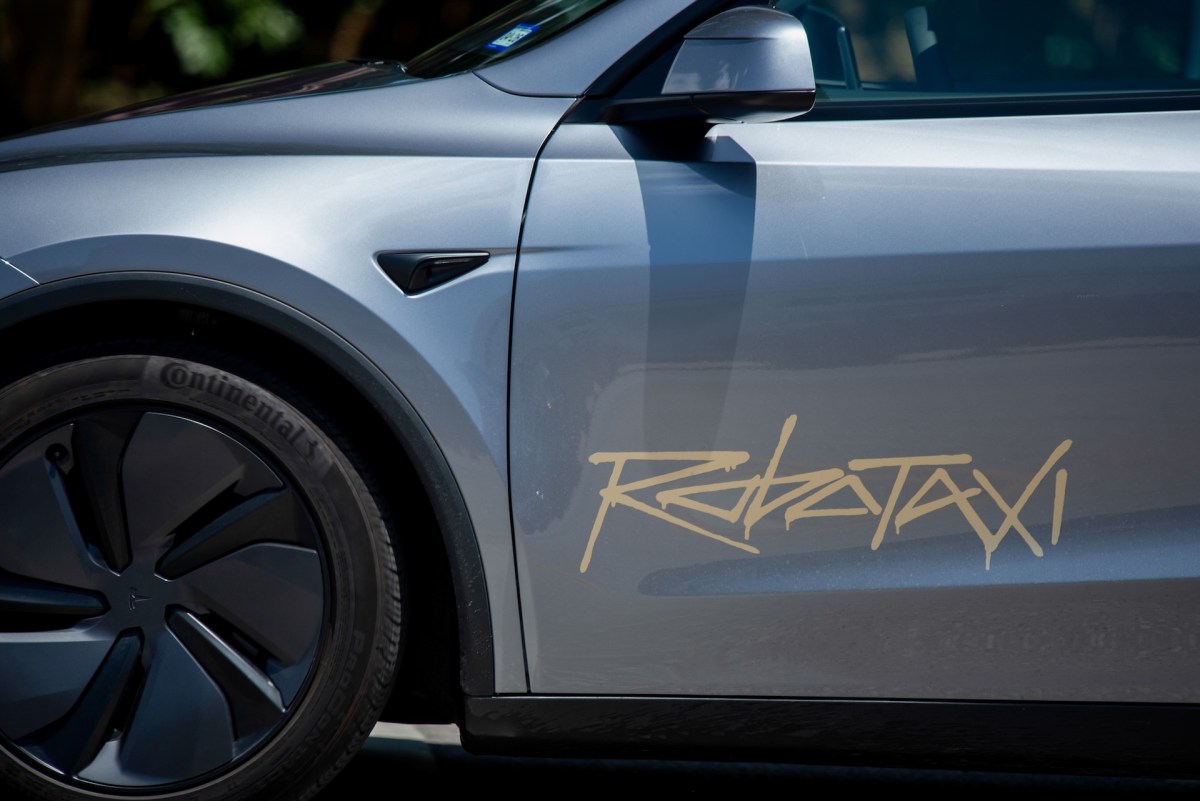
Tesla, the automotive giant synonymous with electric vehicles, is once again making headlines, not for its latest car model, but for its escalating ambitions in the nascent, yet fiercely competitive, robotaxi sector. The company announced via a post on X that its self-driving ride-hailing service would commence operations in San Antonio, Texas, starting Monday at 5 a.m. local time. This move signals a resolute push to establish itself as a dominant player in autonomous mobility, directly challenging established rivals like Alphabet’s Waymo and positioning Tesla as a comprehensive AI and transportation solutions provider rather than solely an automaker.
While the announcement ignited excitement among tech enthusiasts and investors, it arrived with Tesla’s characteristic brevity. Specific details regarding operational hours, the types of vehicles deployed—whether the sleek, futuristic two-seater Cybercab concept will join its modified Model Y fleet, or if human safety operators will initially be on board—were conspicuously absent. Historically, Tesla’s playbook for new service launches involves a cautious, phased approach: a limited number of vehicles, a confined operational area, and a gradual expansion as data is collected and systems are refined. It’s a strategy designed to manage risk and build confidence, but one that also leaves eager customers and analysts wanting more immediate clarity.
Musk’s Long Game: From Promise to Deployment
The journey to this San Antonio launch has been a decade in the making, fueled by the unwavering vision of CEO Elon Musk. For years, Musk has championed the idea of full self-driving capabilities, promising a future where Teslas earn revenue for their owners as part of a vast robotaxi network. This long-held pledge materialized into a tangible service with the initial launch of its robotaxi network in Austin, Texas, in June 2023. While initially limited and supported by human safety operators, the Austin rollout was a pivotal moment, marking Tesla’s first large-scale real-world test of its controversial “vision-only” autonomy system, which relies exclusively on cameras and end-to-end AI, eschewing Lidar and radar sensors favored by most competitors.
Since that inaugural Austin deployment, Tesla has systematically expanded its footprint. A significant milestone occurred in January 2024 when the company bravely removed human safety monitors from its Austin robotaxis, officially ushering in a truly driverless service in the city. The subsequent 11 months have seen a sustained expansion within Austin and into new metropolitan areas across the Sun Belt. Tesla now operates its robotaxi service, albeit in limited capacities, in Miami and Orlando in Florida, and in Dallas, Fort Worth, and Houston in Texas, illustrating a clear focus on regions with favorable regulatory environments and burgeoning populations.
The Autonomous Arena: Tesla vs. Waymo
Tesla’s expansion into San Antonio throws it into direct competition with established autonomous vehicle (AV) players, most notably Waymo. A subsidiary of Google’s parent company, Alphabet, Waymo boasts a considerable head start and operates its robotaxi service, branded Ojai, in several of the same key Texas markets as Tesla, including Austin, Dallas, Houston, and now San Antonio. Waymo’s fleet, comprising a mix of driverless Jaguar I-Pace and Zeekr RT vehicles, utilizes a sensor suite that includes Lidar, radar, and cameras—a more conventional and, some argue, robust approach to autonomous driving compared to Tesla’s vision-only strategy.
Interestingly, Waymo recently restarted its San Antonio services after a five-month hiatus. The pause was a direct consequence of incidents where its vehicles became stranded after inadvertently entering flooded roadways, highlighting the complex real-world challenges even the most advanced AV systems face. Such setbacks underscore the cautious approach necessary in this industry and offer a stark reminder that the path to widespread autonomous adoption is fraught with technical, environmental, and regulatory hurdles.
Scaling Challenges and Unanswered Questions
While Tesla’s geographical expansion appears rapid, the scale of its deployment raises questions. According to Texas vehicle registration data and the independent Robotaxi Tracker website, Tesla’s autonomous fleet in Austin numbers over 400 vehicles. However, its presence in other cities is significantly more modest, ranging from a mere handful to a few dozen. For instance, Fort Worth reportedly hosts only 24 Tesla robotaxis, and Miami just five. This disparity suggests that true widespread availability and density are still some way off, and the experience in new cities might initially be more akin to a pilot program than a fully-fledged transportation service.
Furthermore, Tesla’s push into driverless services faces regulatory roadblocks in key markets. In the bustling San Francisco Bay Area, Tesla operates a ride-hailing service under a transportation charter permit. However, despite being frequently referred to as robotaxis, these vehicles are currently operated by human drivers. Tesla has yet to secure the necessary permits to deploy a truly driverless ride-hailing service in California, a state known for its stringent AV regulations and home to many autonomous vehicle pioneers. This regulatory landscape fragmentation adds another layer of complexity to Tesla’s nationwide ambitions.
Perhaps most perplexing is recent data that casts a shadow on the service’s current usage. TechCrunch reported this summer that Tesla’s robotaxi network drove fewer miles with paying customers in the second quarter compared to the first. This counter-intuitive trend, occurring amidst an aggressive expansion push, begs clarification from Tesla. Is it an anomaly, a reflection of strategic re-evaluation, or an indication of underlying challenges in customer adoption or operational efficiency? The answer remains crucial for assessing the long-term viability and profitability of Tesla’s autonomous enterprise.
When you purchase through links in our articles, we may earn a small commission. This doesn’t affect our editorial independence.
{content}
The Bottom Line
Tesla’s entry into San Antonio’s robotaxi market is more than just another city launch; it’s a strategic maneuver in a high-stakes game for the future of urban mobility. By relentlessly pushing its vision-only autonomy and expanding its geographical footprint, Tesla is not merely competing for market share; it’s actively shaping the technological and regulatory discourse around self-driving cars. While challenges abound—from fleet scaling and regulatory hurdles to public perception and the opaque nature of its operational data—the company’s unwavering commitment suggests a future where autonomous Teslas could indeed become a ubiquitous feature of our transportation landscape, fundamentally altering how we perceive and utilize personal vehicles.
Source:{feed_title}