
Key Takeaways
- Tech Outages Spark Preparedness Spending:A recent series of high-profile technology disruptions has triggered a notable surge in consumer demand for emergency supplies, including bottled water, propane, generators, and camping gear, providing an unexpected boost for major retailers.
- Retail Giants See Unexpected Sales Momentum:Walmart, Costco, and Tractor Supply have reported significant upticks in these preparedness categories. Costco, in particular, has seen rare double-digit U.S. sales growth in some segments, prompting positive analyst re-evaluations and price target increases.
- Market Navigates “Pull Forward” Demand and Digital Fragility:While some retailers view the surge as a short-term “pull forward” of future demand, the concentrated buying highlights heightened consumer anxiety over digital infrastructure vulnerabilities and supply chain resilience, influencing inventory strategies and broader market sentiment.
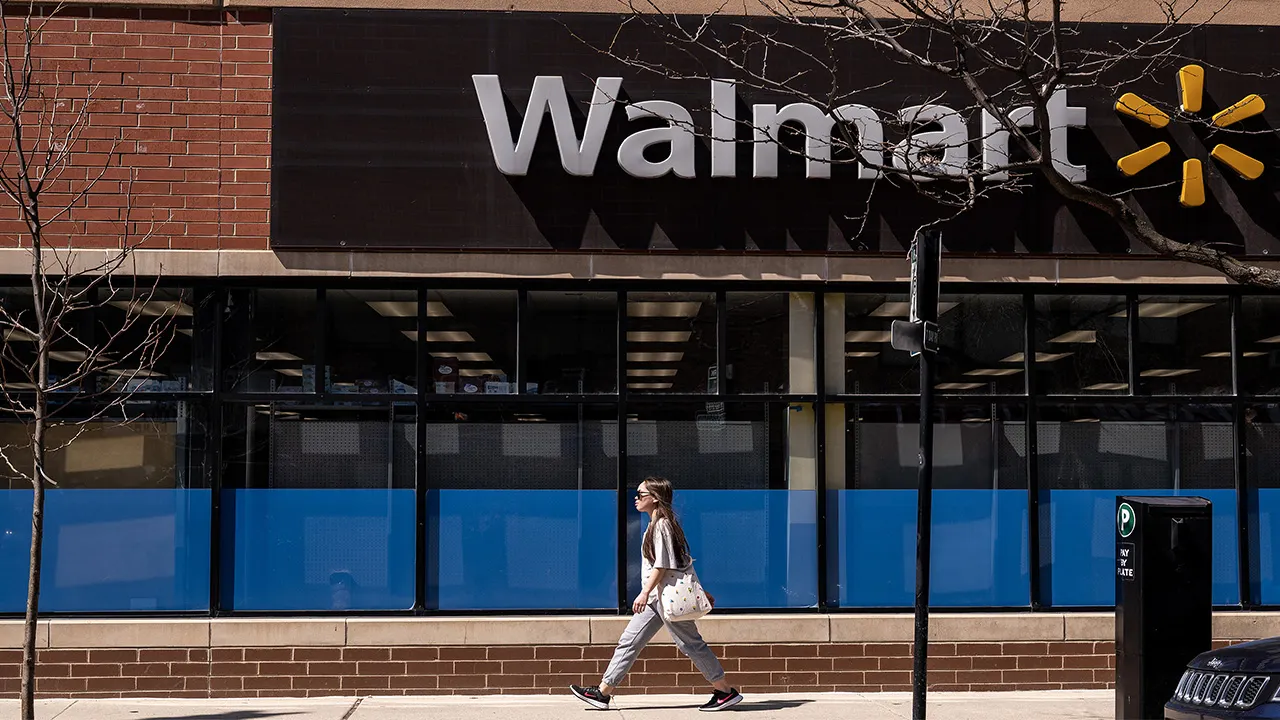
Walmart said U.S. shoppers stocked up on bottled water, propane and camping gear amid panic buying after a string of recent technology outages.
In an increasingly interconnected yet fragile global economy, a recent spate of technology outages has illuminated a fascinating and potentially significant shift in consumer behavior. Major U.S. retailers are reporting an unexpected surge in demand for emergency preparedness supplies, a trend directly linked to a series of digital infrastructure failures that have shaken public confidence. While the immediate financial impact on retail giants might appear modest, this phenomenon offers a potent signal about evolving market sentiment and consumer priorities in an era of heightened uncertainty.
Walmart, the world’s largest retailer by revenue, confirmed that its U.S. shoppers were stocking up on essential survival items. Items like propane, bottled water, and camping gear saw notable increases in sales, a direct response to recent disruptions. Walmart’s Chief Financial Officer, John David Rainey, contextualized this trend for Yahoo Finance: “We have seen a small amount of that. Certainly, categories like jug bottled water or propane are selling at higher comps with that concern, but it’s really relatively small to our overall business. It’s worth noting that oftentimes when we see that, it’s a pull forward of future demand.” Rainey’s statement suggests that while the current sales boost is a welcome uptick, the company views it largely as accelerated purchasing rather than a fundamental, sustained shift in long-term consumption patterns for these specific goods.
Despite this nuanced view on emergency supplies, Walmart simultaneously bolstered investor confidence by raising its annual sales and profit forecasts. This broader optimism is driven by robust performance across its delivery services and membership programs, strategically positioning the retail behemoth for a competitive holiday shopping season. This overall positive outlook underscores Walmart’s diversified revenue streams and its ability to maintain strong growth trajectories even as specific, anxiety-driven demand emerges in niche categories.
COSTCO SEES PANIC BUYING SURGE AFTER TECH OUTAGES, REPORT SAYS
Walmart shoppers were stocking up on numerous emergency supplies following a series of technology outages.(Christopher Dilts/Bloomberg via Getty Images / Getty Images)
The trend of heightened emergency preparedness is not confined to Walmart. Other prominent retailers have also reported a distinct spike in these purchases, indicating a broader market reaction. Costco, the membership-only warehouse club renowned for its bulk offerings, and Tractor Supply, which caters to rural and suburban homeowners, are among those experiencing increased demand fueled by what analysts are characterizing as “panic buying.” This widespread response points to a collective consumer anxiety transcending specific retail demographics.
Mizuho Securities analyst David Bellinger highlighted the particularly dramatic impact on Costco. His analysis revealed that a sudden surge in emergency preparedness shopping, directly linked to the string of technology disruptions, led to an extraordinary inventory depletion. As of a recent Sunday night, an astonishing 21 out of the 26 high-ticket generators offered on Costco’s website were completely sold out. This included substantial whole-home backup systems, some priced as high as nearly $7,000, signifying a significant financial commitment from consumers seeking tangible security and self-reliance in the face of perceived vulnerabilities.

Walmart shoppers stocked up on propane, bottled water and camping gear.(REUTERS/Mike Blake / Reuters)
“Consumer anxiety following the Microsoft Outlook outage, the ground stoppage for all U.S. airline flights, and apocalyptic concerns flaring up across social media have all contributed to increased emergency prep sales at [Costco],” Bellinger articulated in his note. This potent cocktail of tangible digital infrastructure failures and amplified social media narratives created a powerful catalyst for consumer action, leading to a palpable sense of urgency. This buying spree has been so pronounced that it has placed Costco on track for rare double-digit U.S. sales growth this month, a level not observed since mid-2022. Such performance is exceptionally notable in a retail landscape often grappling with inflationary pressures and moderating consumer spending, underscoring the extraordinary nature of this anxiety-driven demand.
Beyond generators, the report also detailed aggressive “pantry-loading” on bulk essentials. While some of this behavior can be attributed to general holiday season preparation or consumers seeking value amidst persistent inflation, the timing strongly suggests a heightened sense of urgency directly influenced by the recent outages. This convergence of practical and existential motivations provides a nuanced lens through which to view current consumer psychology and its implications for retail inventory and sales forecasting.
WALMART RAISES FULL-YEAR OUTLOOK AS WEALTHIER SHOPPERS FUEL SALES GROWTH
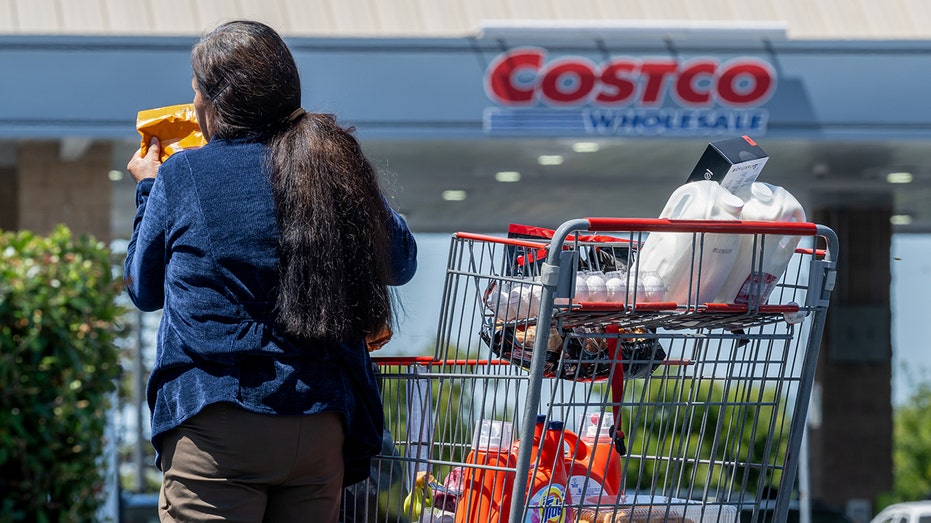
Costco and Tractor Supply are among the other retailers to see an increase in demand for emergency supplies.(David Paul Morris/Bloomberg / Getty Images)
The robust performance at Costco, particularly in these high-value preparedness categories, prompted Mizuho Securities analyst David Bellinger to raise his price target on Costco shares from $1,100 to $1,150. Such an upgrade reflects not only the immediate sales strength but also a broader confidence in Costco’s ability to capitalize on shifting consumer priorities and maintain strong membership engagement, making it a potentially attractive defensive play for investors during periods of economic and social uncertainty.
Meanwhile, Tractor Supply, a retailer traditionally serving agricultural and rural communities with products for home improvement, gardening, and livestock, reported a significant shift in its sales trends. The company disclosed to Bloomberg News that products such as generators, liquid storage tanks, and propane accessories are trending higher this year. Crucially, and for the first time, these emergency preparedness products are selling at a faster rate than other product groups, indicating a broader market penetration beyond its core customer base. This suggests that anxiety over technological reliability is resonating even with segments of the population typically perceived as more self-reliant or less dependent on urban infrastructure, highlighting the pervasive nature of this concern.
The primary catalyst for this nationwide shift in purchasing patterns was a rapid succession of alarming disruptions. Within a compressed timeframe, the U.S. experienced a widespread Microsoft Outlook outage, an unprecedented ground stop for all U.S. airline flights caused by an air traffic control failure, a technology breakdown severely affecting United Airlines, and software problems that disrupted services at financial titan JPMorgan Chase. These incidents, occurring in quick succession, collectively underscored the profound fragility of modern digital infrastructure and its far-reaching impact on daily life—from essential communication and travel to critical financial transactions. The market is increasingly recognizing that reliance on complex, interconnected digital systems carries inherent risks, and a segment of consumers is responding by seeking tangible security and greater self-sufficiency in their homes and lives.
Fox Business’ Sophia Compton and Reuters contributed to this report.
Market Impact
The recent surge in emergency preparedness spending, directly linked to widespread technology outages, presents several significant market implications. For the retail sector, while the immediate revenue boost for specific product categories is a positive for companies like Costco and Tractor Supply, it also introduces complexities in inventory management, supply chain resilience, and demand forecasting. Retailers must now strategically assess how to differentiate between short-term “pull forward” demand and potentially sustained interest, which could necessitate increased stock levels for critical emergency supplies, thereby impacting working capital and warehousing logistics. The exceptional performance of Costco, in particular, validates its membership model and bulk offerings as a highly resilient strategy during times of uncertainty, potentially attracting new members seeking both value and a sense of security. For the broader economy, this trend signals a growing consumer awareness of digital infrastructure fragility. This could lead to increased public and private sector pressure on technology providers and governments to invest more heavily in cybersecurity, redundant systems, and robust disaster recovery protocols, creating new opportunities for tech infrastructure and defense companies. Furthermore, the psychological impact of these high-profile outages may foster a long-term shift in consumer behavior, driving sustained demand for home preparedness items and influencing household budgeting priorities towards self-reliance. Investors are likely to scrutinize companies’ operational resilience and supply chain robustness more closely, favoring those that demonstrate a clear and actionable strategy for navigating an increasingly unpredictable environment, where both physical and digital infrastructures face evolving threats.