
Lydia Hu reports from Hamilton, New Jersey, on how turkey farmers like Artie DiPaola are raising prices this holiday season due to rising production costs.
Key Takeaways for Investors:
- Persistent Food Inflation:The 2023 Thanksgiving Cost Index indicates that while the *pace* of inflation has slowed, cumulative price increases since 2019 remain significantly embedded, impacting consumer discretionary spending and potentially influencing broader retail performance.
- Supply Chain Vulnerabilities & Input Costs:Specific components like turkey prices are disproportionately affected by factors such as avian influenza, elevated diesel costs, and concentrated seasonal demand, highlighting ongoing supply chain fragility and the impact of commodity and energy price fluctuations on agricultural producers and food manufacturers.
- Monetary Policy Implications:Stubbornly high food inflation, even if moderating, contributes to overall sticky inflation, maintaining pressure on the Federal Reserve to potentially keep interest rates higher for longer, impacting borrowing costs, corporate earnings outlooks, and market valuations across sectors.
Americans are once again confronting the specter of elevated costs this holiday season, a persistent echo of the inflationary surge that began during the pandemic. As families prepare for Thanksgiving festivities, a new analysis underscores that the price of this quintessential American meal has continued its upward trajectory, further squeezing household budgets and sending signals across the broader market landscape.
The American Institute for Economic Research (AIER) compiled its 2023 Thanksgiving Cost Index, revealing a 2.6% increase over the last year, pushing the aggregate cost to an all-time high. This annual uptick, while more modest than the sharper rises seen in 2021 and 2022, adds to a deeply entrenched baseline. Notably, prices are now a staggering 32.1% higher than their 2019 pre-COVID-19 levels, illustrating that the post-pandemic inflation surge has not receded but rather solidified into a new, higher pricing structure. This cumulative effect is particularly impactful, as it represents a permanent reduction in purchasing power for many consumers, influencing their spending habits far beyond the holiday table.
“Inflation has moderated considerably since 2021 and 2022, but the cumulative increases in food prices are still a substantial burden on American households,” Peter C. Earle, AIER senior director of research, told FOX Business. This sentiment resonates deeply with consumers navigating a landscape where wage growth has often lagged behind the cumulative increase in cost of living, leading to a palpable sense of financial pressure. For investors, this translates into potential headwinds for discretionary consumer spending outside of essential goods, impacting sectors from retail to hospitality.
THANKSGIVING TRAVEL TO DIP FOR FIRST TIME IN YEARS AS HIGHER COSTS WEIGH ON AMERICANS
Turkey and poultry prices rose at more than double the rate of other components in AIER’s Thanksgiving Cost Index, Earle said.(Liz Clayman/Bloomberg via Getty Images)
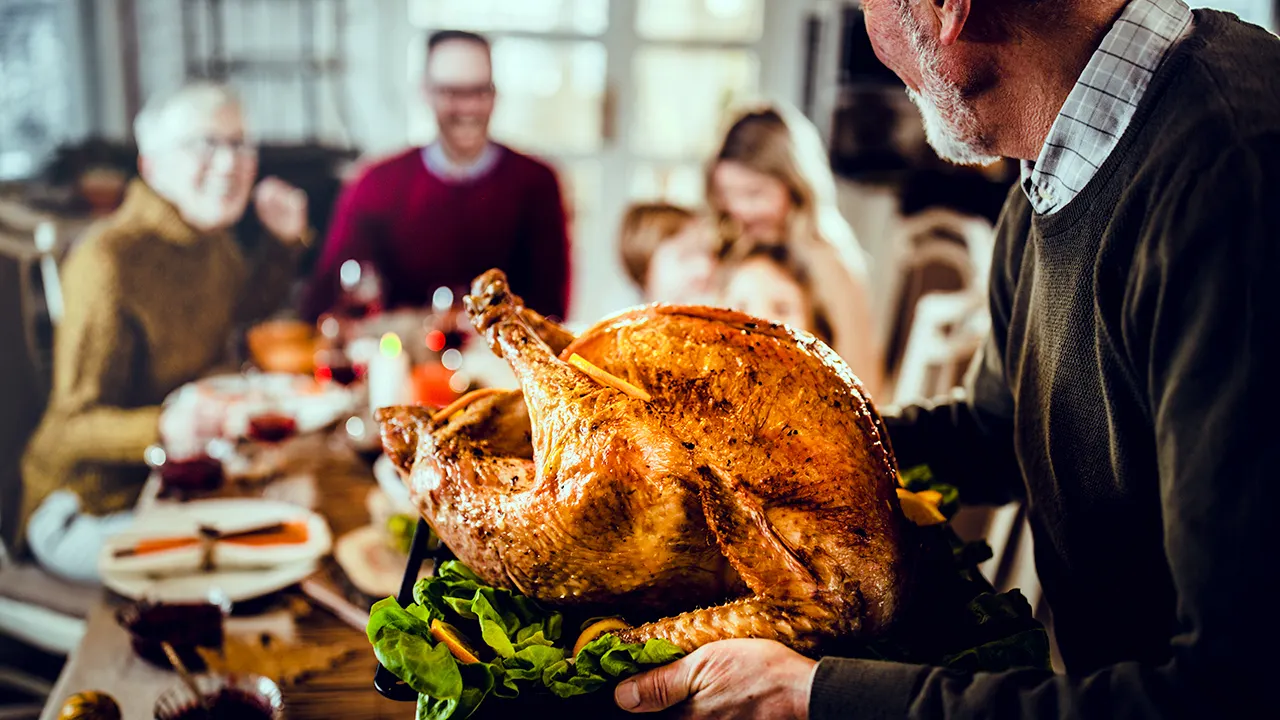
Delving into the specifics, Earle highlighted that prices for turkey and other poultry experienced an 8.4% jump over the past year. This increase is more than double the rate seen in any other component of AIER’s Thanksgiving Cost Index. Given that turkey serves as the traditional centerpiece for many Americans’ Thanksgiving dinners, this particular surge is highly visible and impactful. The underlying drivers for this significant increase are multifactorial, pointing to persistent vulnerabilities in agricultural supply chains and rising input costs.
“Renewed avian influenza outbreaks, higher diesel costs, and the unusually concentrated seasonal demand for turkeys have pushed prices sharply higher despite an increase in domestic production,” Earle explained. For market participants, this breakdown offers critical insights: avian influenza outbreaks underscore the inherent risks in agricultural commodity markets, directly affecting supply and driving up prices for poultry producers. Simultaneously, elevated diesel costs reflect broader inflationary pressures in the energy sector, impacting transportation and logistics for everything from feed to finished products. This not only affects farmers but also food processors, distributors, and ultimately the profit margins of grocery retailers.
THANKSGIVING SHOPPERS FACE HIGHER TURKEY PRICES AS FAMILY FARMS STRUGGLE WITH RISING COSTS
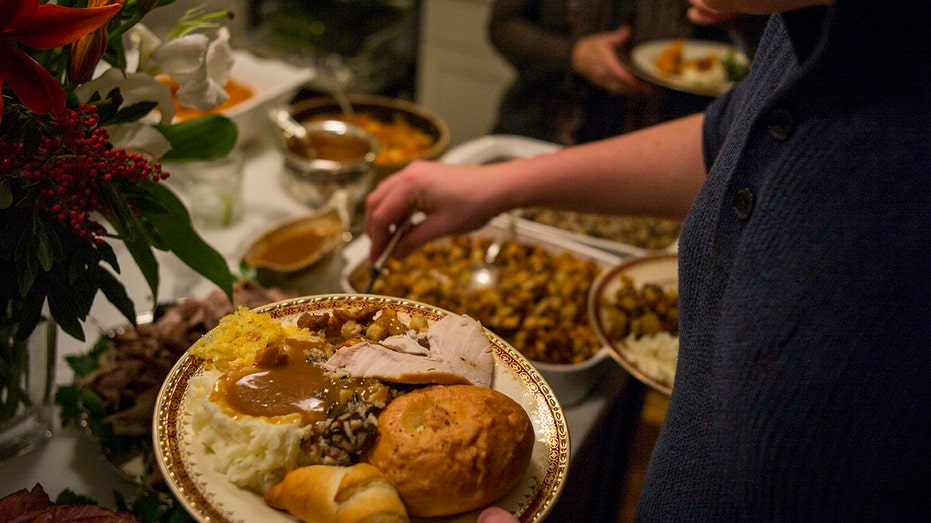
Thanksgiving food prices rose 2.6% from a year ago in AIER’s analysis.(Robert Nickelsberg/Getty Images)
Overall, Thanksgiving food prices were up 2.6% in the past year, aligning closely with broader food inflation trends. For context, the cost of meals prepared at home saw a 1.8% increase, while food consumed away from home (restaurants) was up 3.5%. These differences, as Earle noted, “make clear that inflation can vary considerably across narrow categories of consumer spending,” highlighting the nuanced nature of price movements even within the food sector. Bread prices have risen 3.3% in the last year, reflecting higher grain costs and energy expenses for baking. Prices for frozen vegetables were up 2.6%, influenced by energy costs for refrigeration and transportation. Canned fruits, such as cranberry sauce, rose 2.3%, indicating rising costs for packaging materials, sugar, and processing.
These granular movements are crucial for investors tracking consumer staples companies, illustrating which sub-sectors might face greater margin pressure or possess stronger pricing power. Companies with diversified supply chains or those that have successfully hedged against rising commodity and energy costs may be better positioned in this environment.

Thanksgiving costs are 32.1% higher than they were in 2019 before the pandemic-era inflation surge, AIER noted.(John Moore/Getty Images)
Earle further underscored the lasting impact of post-pandemic inflation by pointing out that AIER’s Thanksgiving Cost Index surged nearly 17.5% in a single year between September 2021 and September 2022. “That extraordinary increase remains embedded in today’s prices,” he stated. This “stickiness” of prices is a critical factor for the Federal Reserve and its ongoing battle against inflation. “Slower inflation doesn’t reverse previous price increases, which is why so many Americans continue to experience financial pressure – even as headline inflation has receded,” Earle added. This distinction between the *rate* of inflation slowing and the *cumulative effect* on prices is paramount for understanding consumer sentiment and spending behavior. While the Fed might be seeing progress on headline inflation metrics, the everyday consumer feels the sustained pressure of a higher cost base, which can lead to reduced discretionary spending in other areas, impacting a wide array of consumer-facing businesses.
The mentioned dip in Thanksgiving travel, attributed to higher costs, serves as a tangible example of how elevated food prices can have ripple effects across the economy. If households are spending more on essentials like groceries, they have less disposable income for travel, entertainment, and other non-essential purchases, impacting sectors like airlines, hospitality, and leisure. This interconnectedness highlights the broad implications of even specific inflation data points.
CLICK HERE TO DOWNLOAD THE FOX NEWS APP
Market Impact:
The persistent inflation reflected in the Thanksgiving Cost Index carries significant implications for various market sectors. Consumer Staples, particularly food retailers and packaged goods companies, will continue to navigate the dual challenge of managing elevated input costs (commodities, energy, labor) while striving to maintain consumer affordability. Companies with strong brand loyalty and pricing power may fare better, while others might see margin erosion or pressure on sales volumes as consumers trade down or reduce purchases. The elevated transportation costs, particularly diesel, affect the Logistics and Transportation sectors, indicating continued operational expenses for shipping and freight companies. Furthermore, the stickiness of food inflation, even as the overall pace moderates, complicates the Federal Reserve’s monetary policy decisions. If core inflation remains elevated due to components like food, it could reinforce the Fed’s stance for maintaining higher interest rates for a longer duration, impacting bond yields, equity valuations, and corporate borrowing costs across the economy. Ultimately, the cumulative financial pressure on American households could temper overall consumer spending growth, a crucial driver of GDP, making the retail and discretionary consumer sectors particularly sensitive to these ongoing inflationary dynamics heading into the critical holiday shopping season.