
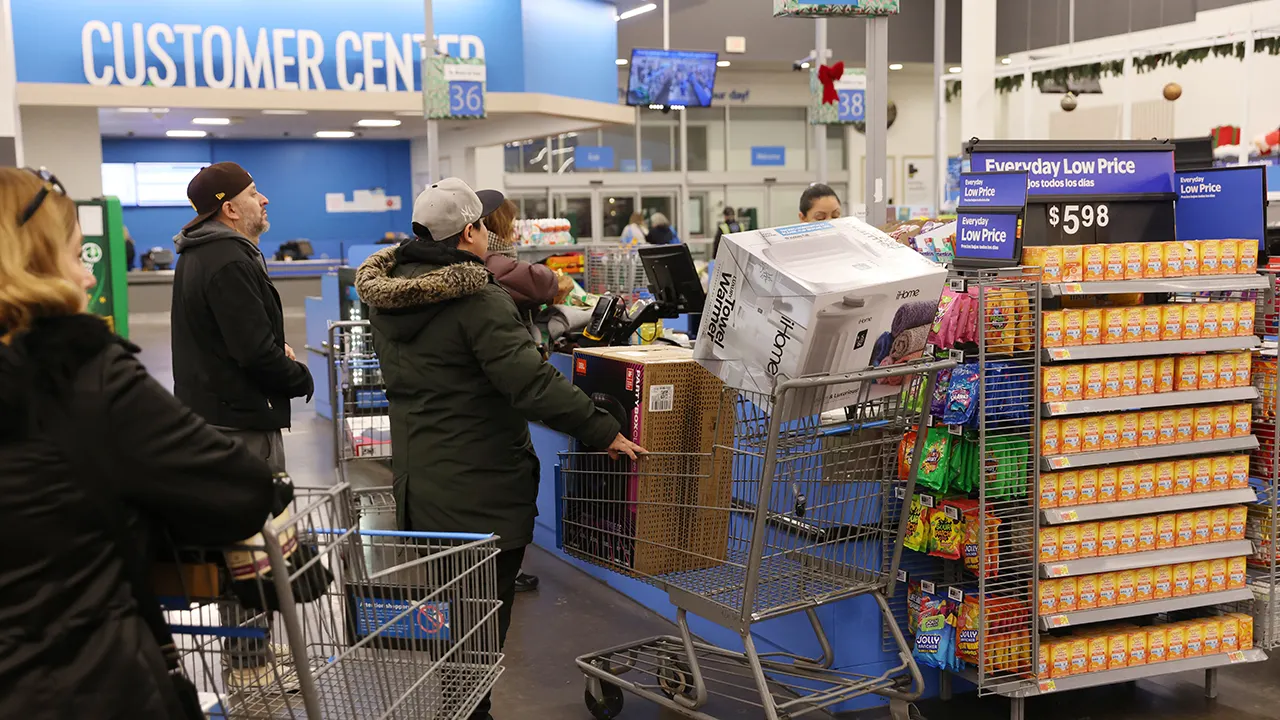
As the holiday shopping season commenced with Black Friday 2026, initial reports from major retailers offer crucial insights into consumer behavior and the broader economic landscape.
- Consumer Resilience Meets Price Sensitivity:Despite persistent inflationary pressures, shoppers demonstrated a willingness to spend, albeit with a heightened focus on value. Strategic in-store deals, early promotions, and digital tools like AI assistants became critical for consumers navigating tight budgets.
- The Evolving Omnichannel Imperative:Retailers like Walmart and Sam’s Club successfully blended aggressive in-store promotions designed to drive foot traffic with robust online fulfillment and convenience options. This hybrid approach underscores the ongoing investment required in both physical infrastructure and advanced digital capabilities to meet diverse shopper demands.
- Inflation’s Shadow on Sales Growth:While overall holiday sales projections are positive, a significant portion of the forecasted growth is attributed to higher prices rather than a pure increase in purchase volume. This signals continued pressure on retail margins and highlights the delicate balance retailers must strike between attracting customers with deals and maintaining profitability.
Sam’s Club Chief Merchandising Officer Myron Frazier told FOX Business that members still want value, but increasingly want fresh food delivered, available for curbside pickup or designed to make mealtime easier. This insight from a key warehouse club player underscores a critical shift in consumer priorities: a simultaneous demand for affordability in bulk and the convenience of modern fulfillment options, a strategy essential for retaining market share in a competitive and inflationary environment.
Shoppers turned out in droves across the country on Friday, hoping to nab the best holiday deals in stores. This strong turnout on Black Friday 2026 served as an early, crucial barometer of consumer spending power and sentiment, arriving amidst persistent concerns about inflation, rising interest rates, and the broader economic outlook. Retailers keenly watched these early hours for signals on how their carefully crafted strategies to attract value-conscious buyers would resonate.
Walmart U.S. Chief Merchandising Officer Julie Barber told FOX Business that store traffic was going strong after the retail giant kicked off its in-store Black Friday event at 6 a.m. local time nationwide. This early start and robust traffic are significant indicators, highlighting the enduring appeal of the traditional Black Friday experience, especially when coupled with exclusive in-store incentives.
“From an in-store standpoint, what we’ve tried to do is get some really key, great items that are in-store only to drive traffic,” Barber said, outlining a deliberate strategy to leverage Walmart’s extensive physical footprint. This tactic is crucial for driving impulse buys and cross-category purchases, which can significantly boost overall sales beyond the advertised doorbusters, while also validating continued investment in brick-and-mortar infrastructure.
She added that customers are approaching their shopping lists this year with clear priorities, reflecting a heightened financial awareness.
“What’s interesting about this year is that customers are being pretty intentional about how they’re shopping,” Barber said. This intentionality is a direct consequence of the current economic climate, where consumers, facing elevated costs of living, are scrutinizing purchases more closely, prioritizing needs over wants, and meticulously planning to stretch every dollar. This shifts the focus from spontaneous consumption to planned, value-driven acquisitions.
BATH & BODY WORKS CEO PLEDGES TO KEEP PRICES AFFORDABLE AS SHOPPERS HUNT FOR BLACK FRIDAY DEALS
Shoppers wait to check out inside a Walmart store on Black Friday in North Bergen, N.J., Friday, Nov. 27, 2026. This visual evidence of bustling checkouts underscores the continued relevance of physical stores in the omnichannel retail landscape, particularly for major sales events designed to draw crowds.(Michael Nagle/Bloomberg via Getty Images)
She pointed to Walmart’s 2026 Holiday Trend Report, released last month, which found roughly seven in 10 shoppers said that lower prices would make holiday shopping easier. This statistic is a potent piece of market intelligence, directly informing retailers’ pricing strategies and promotional efforts. Some customers planned ahead using Walmart’s AI assistant, Sparky, to compare items and prices, showcasing the increasing integration of technology into the value-seeking consumer journey.
“We’re pretty excited about the resiliency of our customer right now,” Barber said, a statement often used by retailers to signal underlying consumer strength and willingness to spend, despite economic headwinds, which can positively influence investor sentiment.
According to Barber, lines formed outside some Walmart locations as early as 3 a.m., a testament to the enduring appeal of traditional doorbuster deals and the psychological draw of being first in line for coveted bargains, even in an era dominated by digital shopping alternatives.
She said NeeDoh sensory toys were already more than 80% sold by midday, alongside strong demand for Pokémon cards, TVs, home goods and fashion. The rapid depletion of specific toy categories and continued interest in entertainment (TVs) and practical comforts (home goods, fashion) provides granular insight into consumer spending patterns. These often represent a mix of affordable gifting, necessary upgrades, and attainable “treats” that fit within a constrained household budget.
“With the weather cooling off … I saw a lot of people this morning buying slippers and PJs,” Barber said of Walmart shoppers in the Oklahoma City area, further reinforcing the trend towards practical, comfort-oriented gifting, which tends to perform well in value-focused retail segments.
RETAIL CHIEF CALLS AI ‘MAGIC’ AS SHOPPERS TURN TO CHATBOTS FOR HOLIDAY BARGAINS

Black Friday Deals signage at a Walmart store on Black Friday in North Bergen, North Jersey, on Friday, Nov. 27, 2026. Prominent signage underscores the aggressive promotional environment retailers entered to capture consumer spending.(Michael Nagle/Bloomberg via Getty Images)
Online fulfillment also increased Thursday night after Thanksgiving dinner, Barber said, as shoppers watched football and placed orders. This seamless integration of online and offline shopping experiences highlights the critical importance of robust omnichannel strategies. The ability to pivot from in-store traffic to convenient at-home ordering underscores significant logistical and technological investments made by retailers to cater to evolving consumer preferences.
The National Retail Federation (NRF) projects U.S. holiday sales in November and December 2026 will climb 4.2% from last year to $1.01 trillion, outpacing the 3.1% growth seen a year ago. However, a crucial caveat is that higher prices account for part of that increase. This distinction is vital for market analysis; while headline sales figures appear robust, if inflation accounts for, say, 3% of that growth, the real volume increase in goods sold is a more modest 1.2%, signaling a more challenging environment for retailers to grow actual units and potentially impacting inventory planning and future earnings potential.
FOX Business was on the ground in Lancaster, Pennsylvania, about 60 miles west of Philadelphia, where families headed to local Walmart and Target stores to check off their shopping lists.
Jen Harsh of Hellam, Pennsylvania, was shopping for her children with stops planned at Walmart, Target and Just Press Play.
“I’ve got five kids to shop for, so it’s very, very hectic, but I like to do a lot of online shopping, but then the store gives me a rush,” Harsh said outside a local Walmart. This personal anecdote encapsulates the modern omnichannel consumer: balancing the efficiency of online platforms with the experiential allure of physical retail.
Harsh noted how much the tradition has evolved in recent years. “It’s nothing like the old days,” Harsh said. “Ever since [COVID-19], things have changed a lot. Plus, online shopping starts weeks in advance. The rush that it used to be … was [to] go out and stand in line at 3 o’clock in the morning at Toys ‘R’ Us and wait for the deals to start. That was the fun of it. So yeah, it kind of took away from it.” Her comments highlight the permanent transformation of consumer shopping habits post-pandemic, where extended promotional periods and digital convenience have dispersed the intense peak demand of traditional Black Friday, requiring retailers to adapt continuously their marketing and logistical strategies.
ROSS STORES DRAWS MORE BARGAIN HUNTERS, BUT HIGHER FUEL COSTS AND SOFTER HOLIDAY FORECAST WEIGH ON STOCK


At a local Target in Lancaster, Pennsylvania, shopper Wes said he and his family started at around 9:30 a.m. This more relaxed start time, compared to the pre-dawn queues of past years, further illustrates the shift in shopping patterns driven by online accessibility and extended sales periods.
Some deal hunters still embraced the early start.
Caden Slesser and John Winsett of the Harrisburg area kicked off their shopping trip at Bass Pro Shops at 3:45 a.m. before making rounds for toys and gifts. While their dedication to early-bird shopping persists, both agreed crowds were heavier in years past, further validating the dispersed nature of holiday shopping. Critically, the rising cost of living remained top of mind for them, echoing the broader sentiment.
“Everything’s more expensive now, so you got to be cautious of what you spend,” Slesser said, a direct quote that powerfully underscores the pervasive impact of inflation on individual purchasing decisions and the resulting cautious consumer behavior.

Shoppers leave a Target store on Black Friday in Chicago, Illinois, on Friday, Nov. 27, 2026. The consistent flow of shoppers throughout the day, rather than just in the early hours, reflects the extended nature of modern holiday sales.(Jim Vondruska/Bloomberg via Getty Images)
Nearby, at a local Target, shopper Wes said he and his family started around 9:30 a.m. with plans to hit five stores, picking up baby gifts for neighbors and presents for grandchildren.
CLICK HERE TO GET FOX BUSINESS ON THE GO
While he primarily relies on online shopping, he said brick-and-mortar stores still serve an important purpose. “We were just in here looking at some of the robot cleaners,” he said. “It helps so much being able to actually look at the box and see the things. So often we do it for that – this is like the showroom, and then you figure out what you’re going to buy later.” Wes’s perspective perfectly articulates the “showrooming” phenomenon, where physical stores function as discovery and experience centers, driving later online purchases. This is a critical function for categories like electronics and home goods, validating retailers’ continued investment in their physical presence despite the relentless growth of e-commerce and highlighting the strategic complementarity between channels.
Market Impact
The Black Friday performance for 2026 provides a critical barometer for the broader retail sector and the health of the consumer economy. Strong traffic and deal-driven spending, particularly in the value segment, suggest a consumer base that is resilient but highly discerning. For investors, this environment underscores the importance of retailers with robust omnichannel capabilities, efficient supply chains, and strong inventory management. Companies like Walmart and Sam’s Club, with their focus on everyday low prices and strategic promotions, are likely to outperform in a price-sensitive market, potentially leading to stronger Q4 earnings reports relative to more discretionary or luxury segments. However, the caveat that sales growth is partly fueled by inflation means that real volume increases may be modest, putting pressure on gross margins if retailers continue to absorb costs to keep prices competitive. The continued investment in AI and logistics also indicates rising operational costs, which could impact profitability. Overall, the retail market is signaling a period of cautious optimism, where strategic execution and adaptability to consumer financial realities will determine market share and investor confidence in the months ahead. Future macroeconomic data, particularly on inflation and consumer credit, will be closely watched to gauge the sustainability of this trend through the remainder of the holiday season and into 2027.