
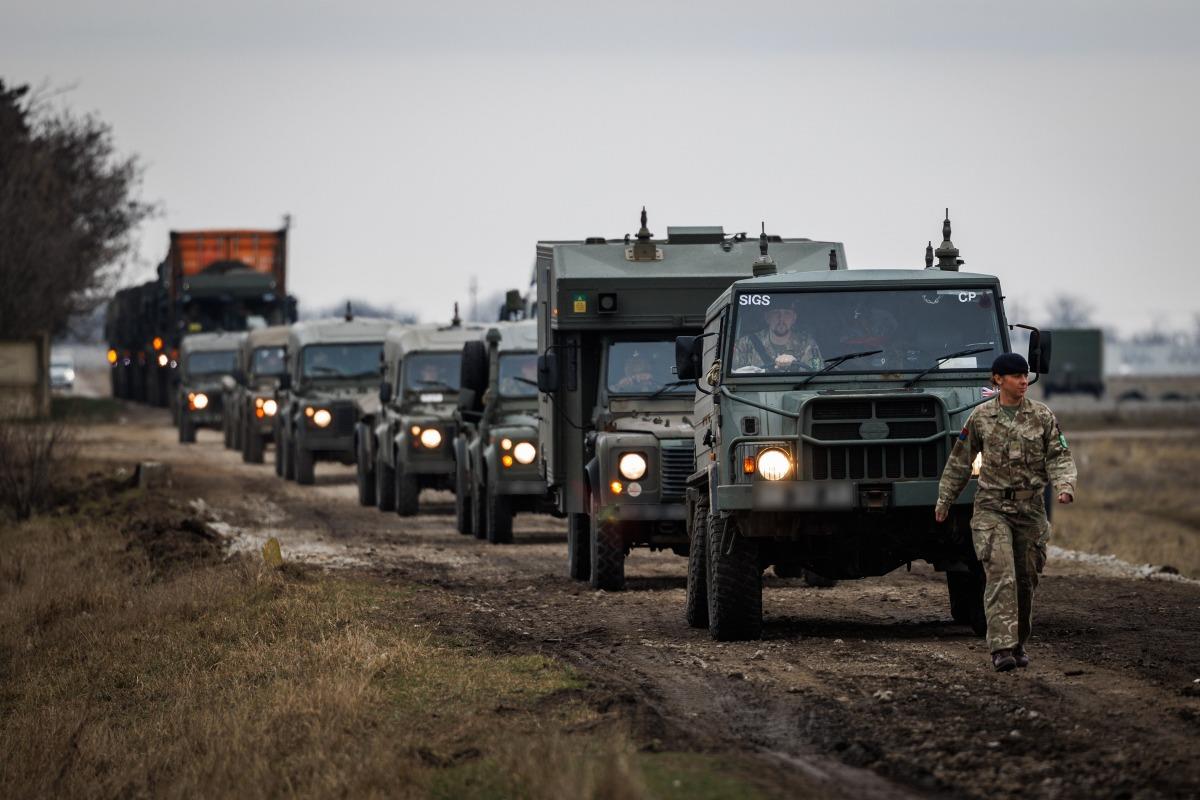
UK Defence Spending: Scrutiny Over Inclusion of Personnel Costs in NATO Figures
London, UK– Britain is facing renewed scrutiny over its methodology for calculating defence expenditure submitted to the North Atlantic Treaty Organization (NATO), specifically concerning the inclusion of spending on Armed Forces personnel and defence civil servants, which encompasses pension payments. Ministers have affirmed that this accounting practice aligns with NATO’s established definitions, a stance that has drawn criticism from those who argue it inflates the UK’s headline defence figures.
The clarification emerged following a direct parliamentary question from Conservative Member of Parliament Mike Wood. Mr. Wood specifically inquired whether pension payments to retired staff and employer contributions for current staff, applicable to both military personnel and civilian defence employees, are factored into the UK’s reported contributions towards the NATO target. In response, Calvin Bailey, the Minister for Veterans and People, stated unequivocally: “The UK has consistently included spend in relation to Armed Forces personnel and MOD civil servants as part of its NATO defence spending figures, in line with the NATO definition.”
This ministerial answer, however, did not provide a distinct breakdown separating pension costs from other personnel-related expenditures. While NATO’s guidelines indeed permit member states to count pensions paid to retired military and civilian defence staff within their defence budgets, this allowance has long been a point of contention among defence analysts and commentators. Critics argue that such inclusions can artificially inflate a nation’s reported defence spending, potentially obscuring the true level of investment in immediate operational capabilities, modern equipment, and critical research and development.
NATO’s 2% Target and UK Commitments
The debate takes place against the backdrop of NATO’s crucial defence spending target. Established at the 2014 Wales Summit and reinforced at subsequent gatherings, including Vilnius in 2023, the alliance expects member states to allocate a minimum of 2% of their Gross Domestic Product (GDP) to defence. This target is a cornerstone of NATO’s collective defence strategy, aiming to ensure equitable burden-sharing and adequate resources for maintaining a robust deterrence posture in an increasingly complex global security environment. The necessity of meeting and exceeding this target has gained particular urgency in light of ongoing geopolitical tensions and conflicts, most notably Russia’s full-scale invasion of Ukraine.
The United Kingdom, historically one of the leading defence spenders within NATO and globally, has reiterated its commitment to defence investment. The government has pledged to increase its core defence spending to 3.5% of GDP by 2035 – an ambitious target that significantly exceeds the current NATO minimum. Chancellor of the Exchequer John Healey confirmed during the recent Budget announcement that the forthcoming Spending Review, scheduled for next year, will detail the strategic pathway and specific measures to achieve this escalated commitment.
The ‘Fleshing Out’ Debate: Critics’ Perspective
Despite the government’s assurances of adherence to NATO’s definitions, the practice of including pensions in defence spending calculations remains a sensitive issue. Industry representatives, testifying before the Treasury Committee in June, indicated that Britain’s defence spending currently stands “stuck on 2.6% of GDP.” This figure, while above the 2% NATO minimum, is perceived by some as insufficient for the UK’s global ambitions and the evolving demands of modern warfare. One unnamed contributor to the Treasury Committee even urged the government to “stop twisting the numbers,” reflecting a broader sentiment among critics that a more transparent and arguably stringent accounting method is needed to provide an accurate picture of defence investment.
The core of the critics’ argument is that while pensions are an undeniable and legitimate cost associated with maintaining a professional military — representing a commitment to past service and a necessary incentive for recruitment and retention — they do not directly contribute to immediate military strength or future capabilities. Funds allocated to pensions, these critics contend, are not available for procuring new fighter jets, warships, advanced cyber capabilities, or investing in cutting-edge defence research and development. Therefore, including them in the headline defence figure, particularly without clear separation or context, can present an optimistic but potentially misleading picture of a nation’s immediate military capacity and readiness for new challenges.
International Context and Complexity of Definition
It is important to note that the UK is not unique in counting military pensions towards its NATO defence spending. Many other alliance members also include some form of personnel-related benefits, including pensions, in their reported figures. The divergence often lies in the specific proportion and transparency of these inclusions, leading to variations in how “defence spending” is interpreted and presented across member states. NATO’s broad definition aims to accommodate diverse national accounting practices while still providing a common framework for comparison. However, this flexibility inevitably leads to variations in how “defence spending” is interpreted and presented across member states.
Defining what constitutes “defence spending” is inherently complex. A nation’s military capability relies not only on hardware such as tanks and planes but also critically on its personnel, their comprehensive training, healthcare, housing, and long-term financial security. Pensions are a vital part of the overall compensation package designed to attract and retain high-quality individuals for a demanding and often dangerous profession. However, the ongoing debate underscores the tension between a comprehensive view of all defence-related costs and the desire for a clear, actionable metric of immediate military investment and capability enhancement.
As the UK prepares for its crucial Spending Review, the discussions surrounding the composition of its defence budget are likely to intensify. The transparency and accuracy of these figures are paramount, not only for domestic accountability to taxpayers but also for the UK’s standing within NATO and its ability to credibly meet its international security commitments amidst a dynamic global threat landscape.
Why This Matters
- Transparency and Trust:The debate over how defence spending is calculated directly impacts public trust and international confidence in the UK’s commitment to its security obligations. Clear, unambiguous reporting is essential for accountability to taxpayers and allies, ensuring that reported figures accurately reflect genuine defence investment.
- Accurate Assessment of Capability:Whether pension costs are included or clearly separated significantly affects the perceived strength and readiness of the UK Armed Forces. An inflated headline figure could create a false sense of security regarding the actual resources available for current operations, modern equipment procurement, and strategic investments in future defence technologies.
- NATO Burden Sharing and Credibility:As a leading NATO member and a proponent of increased defence spending, the UK’s accounting methods are observed closely by allies. Any perception of “flattering” figures could undermine the UK’s moral authority in advocating for other nations to meet or exceed the 2% target, potentially impacting alliance cohesion and collective defence efforts.
- Strategic Resource Allocation:A precise understanding of where defence funds are allocated is crucial for strategic planning. If a significant portion of the headline figure is tied up in legacy costs like pensions, it leaves less flexibility for the Ministry of Defence to invest in urgent priorities, adapt to emerging threats, or pursue long-term modernization goals necessary for future effectiveness.
- Future Defence Posture:With the government committed to a substantial increase to 3.5% of GDP by 2035, the methodology of calculation will critically determine whether this ambitious target translates into genuine enhancements in the UK’s military capabilities or if a portion of it will continue to cover existing obligations rather than new investments. The upcoming Spending Review will be pivotal in defining the trajectory of UK defence for decades to come, impacting its global influence and security contributions.