
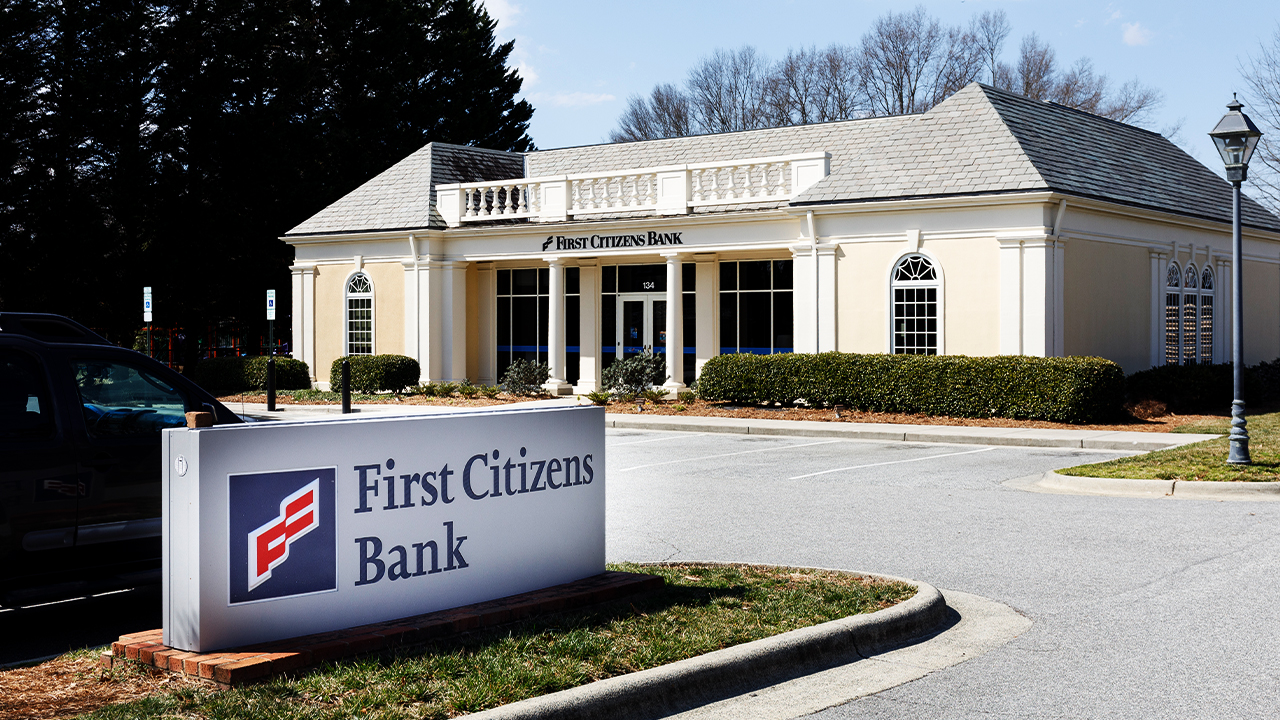
The Office of the Comptroller of the Currency shut down Indiana-based United Fidelity Bank Friday, claiming the bank was in ‘unsafe or unsound condition to transact business.’
Key Takeaways:
- **Regulatory Intervention & Orderly Resolution:** The Office of the Comptroller of the Currency (OCC) swiftly shut down United Fidelity Bank due to an “unsafe or unsound condition,” demonstrating continued stringent regulatory oversight in the post-2023 banking environment. The prompt acquisition by First Citizens Bank ensures an orderly resolution, protecting depositors and minimizing market disruption.
- **First Citizens’ Strategic Growth & FDIC’s Role:** First Citizens Bank continues its role as a strategic acquirer of distressed assets, securing United Fidelity’s $6 billion in assets at a discount and expanding its footprint. The FDIC’s estimated $1.83 billion cost for the resolution underscores the robustness of the deposit insurance fund, designed to absorb such failures without taxpayer burden.
- **Heightened Scrutiny on Regional Banks:** While the failure appears isolated and well-managed, it will likely prompt renewed investor scrutiny on the balance sheets of other regional banks, particularly concerning asset quality, commercial real estate exposure, and interest rate risk management in the current elevated interest rate climate.
The Office of the Comptroller of the Currency (OCC) announced Friday the shutdown of Indiana-based United Fidelity Bank, marking the largest financial institution failure in three years and underscoring the persistent vigilance of banking regulators in a post-crisis landscape. The move, which saw the bank’s nearly $6 billion in assets and $5.4 billion in deposits swiftly transferred to North Carolina-based First Citizens Bank & Trust Company, signals an ongoing focus on financial stability and prudent risk management within the U.S. banking sector.
According to the OCC, the decision stemmed from findings that United Fidelity Bank was in an ‘unsafe or unsound condition to transact business’ and was ‘likely to be unable to pay its obligations or meet its depositors’ demands in the normal course of business.’ While specific details regarding the nature of this ‘unsafe or unsound’ condition were not immediately disclosed, such regulatory actions typically arise from issues related to asset quality, inadequate liquidity management, poor operational controls, or significant losses from investments or loan portfolios. In the current economic environment, with elevated interest rates and emerging concerns in sectors like commercial real estate (CRE), these factors often come under intense regulatory scrutiny.
The rapid and orderly resolution, facilitated by the Federal Deposit Insurance Corporation (FDIC), reflects lessons learned from the volatile regional bank failures of March 2023, which included Silicon Valley Bank, Signature Bank, and First Republic Bank. Unlike those instances, which were characterized by rapid, social-media-fueled deposit runs, United Fidelity’s shutdown appears to be a more deliberate and contained regulatory intervention, aiming to prevent broader systemic contagion.
The Office of the Comptroller of the Currency headquarters in Washington, D.C., Jan. 30, 2023.(Ting Shen/Bloomberg via Getty Images/File / Getty Images)
For depositors of United Fidelity, the transition is designed to be seamless. “Customers do not need to change their banking relationship and will retain all of their funds and deposit insurance coverage,” the FDIC assured in its release. All 22 United Fidelity branches, spread across four U.S. states and the U.S. Virgin Islands, are set to reopen as First Citizens branches, ensuring uninterrupted access to banking services. This swift integration minimizes disruption for customers and reaffirms the FDIC’s commitment to protecting insured deposits up to $250,000 per depositor, per ownership category.
First Citizens Bank & Trust Company, which previously acquired a significant portion of Silicon Valley Bank’s assets following its collapse, has once again emerged as a strategic acquirer in a distressed asset scenario. The North Carolina-based institution secured United Fidelity’s assets and liabilities at a significant discount, spending $2.6 billion for an acquisition that includes approximately $3.1 billion in loans and United’s subsidiaries, notably the Pedcor Homes Corporation real estate development and management entity. This particular inclusion could indicate that United Fidelity’s asset quality issues may have been tied to its real estate portfolio, a sector currently facing headwinds from higher interest rates and evolving occupancy trends. The absence of a deposit premium in the deal further highlights the distressed nature of the acquisition and First Citizens’ advantageous position.
“For more than 125 years, First Citizens has demonstrated a consistent commitment to financial strength, exceptional service and disciplined growth,” the bank stated, emphasizing its capacity to integrate the acquired assets and expand its market reach. This pattern of opportunistic growth by First Citizens underscores a broader trend in the banking industry where stronger, more diversified institutions are able to absorb smaller, weaker players, potentially leading to further consolidation within the regional banking sector.
Silicon Valley Bank and Signature Bank collapsed in March 2023 after rapid deposit runs and bond losses.(Celal Gunes/Anadolu Agency via Getty Images/File / Getty Images)
The FDIC estimated its costs related to the United Fidelity failure at $1.83 billion, a substantial figure that will be absorbed by the Deposit Insurance Fund (DIF), which is funded by assessments on insured banks. While significant, this cost pales in comparison to the $15.5 billion burden from the failure of San Francisco-based First Republic Bank in May 2023, which held $212.64 billion in assets at the time. This comparison serves as a reminder of the differing scales of bank failures and the varying impacts on the DIF, but also reinforces the fund’s capacity to manage such events. The FDIC’s role in facilitating these acquisitions is crucial, as it ensures stability and maintains public confidence in the banking system, preventing widespread panic that could jeopardize financial markets.
The shutdown of United Fidelity Bank comes amidst a period of heightened scrutiny for regional banks, particularly concerning their exposure to commercial real estate loans, which face refinancing challenges and potential valuation declines in the current economic climate. Regulators have consistently urged banks to stress-test their loan portfolios and bolster capital reserves against potential losses. While the banking sector, as a whole, remains robust, individual institutions with concentrated risks or inadequate risk management frameworks continue to be vulnerable. This incident serves as a stark reminder that regulatory oversight remains stringent and ongoing, especially for banks that fail to adapt to evolving market conditions and regulatory expectations.
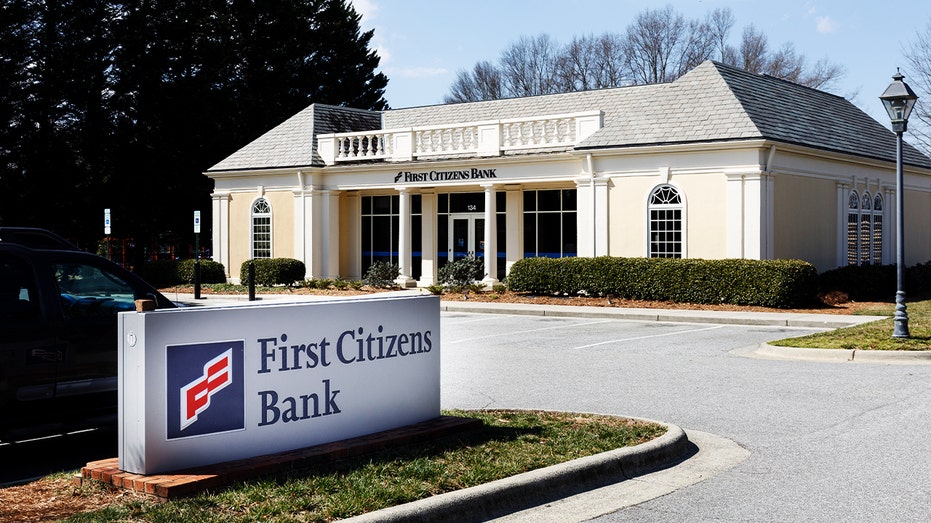
First Citizens Bank in Kernersville, N.C., March 8, 2025(iStock via Getty Images/File / Getty Images)
FOX Business contacted the OCC, FDIC and First Citizens for comment.
Market Impact:
The orderly failure and acquisition of United Fidelity Bank by First Citizens Bank is unlikely to trigger broad systemic market panic, particularly among large cap banks. However, it will undoubtedly lead to renewed, targeted scrutiny on regional bank balance sheets, with investors and analysts focusing on asset quality – especially commercial real estate loan portfolios – interest rate risk management, and overall liquidity. While the FDIC’s swift action and First Citizens’ seamless integration offer reassurance regarding depositor safety and market stability, the event serves as a potent reminder that not all banks are equally prepared for economic shifts. We may see increased pressure on shares of regional banks perceived to have weaker balance sheets or high concentrations in stressed sectors. Conversely, well-capitalized regional banks with diversified revenue streams and robust risk management practices may see this as a further opportunity for consolidation, reinforcing the “flight to quality” within the sector and potentially leading to a slight uptick in M&A activity. Overall, the market’s reaction is expected to be contained, given the isolated nature of the failure and the effective regulatory response, but vigilance regarding regional bank health will remain elevated.