
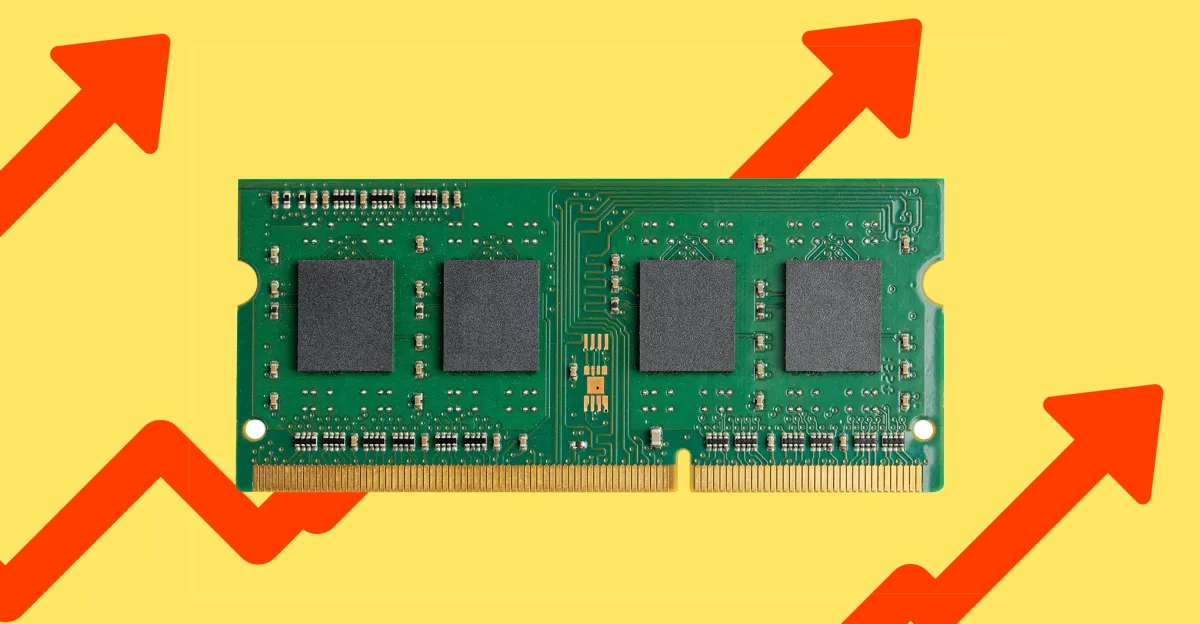
Phison stands as a prominent producer of control microchips for SSDs and various non-volatile memory units. Its Chief Executive Officer, Pua Khein-Seng, has emerged as a key commentator regarding the potential severity of the impending RAM scarcity.
During a broadcast discussion with Ningguan Chen from Taiwanese network Next TV, he concurred that enterprises might need to curtail their offerings by the latter half of 2026. Furthermore, certain companies could cease operations entirely if unable to acquire the necessary constituent elements.
Despite the interview being wholly in Chinese, associates ofThe Vergecame forward to corroborate portions of an automated translation synopsis that has garnered significant attention. Crucially, they pointed out that it was the interviewer who queried whether companies might close or product lines cease production. Khein-Seng mostly assented, explaining that such outcomes are contingent on these firms failing to obtain sufficient RAM.
He further remarked that he anticipates a trend over the coming two years where individuals will repair malfunctioning products with greater frequency, rather than simply discarding them.
It is indeed conceivable that certain enterprises will struggle to acquire adequate RAM. The overwhelming proportion of the globe’s memory resources is being rapidly consumed by AI data centers as part of an extensive worldwide expansion. This situation has forged an unparalleled disparity in availability and requirement, causing memory costs to increase threefold, fourfold, or even sixfold within the last few months. Even Nvidia might forego dispatching a gaming graphics processing unit for the first time in three decades. Apple, too, could face difficulty obtaining sufficient RAM presently, alongside memory chips for SSDs and other crucial components.
Over the coming years, the scarcity of RAM is poised to impact every facet that computation influences. This is because merely three corporations dominate 93 percent of the global dynamic random-access memory sector. Although these three entities are constructing additional plants, they are reluctant to accelerate construction. All have chosen to favor financial gains over jeopardizing financial returns through excess manufacturing that could result in future losses.
The following day, February 19th, I will publish an article onThe Vergedetailing in what manner “RAMageddon” will impact your life, even if you would never consider purchasing a memory module yourself.
{content}
Source:{feed_title}