
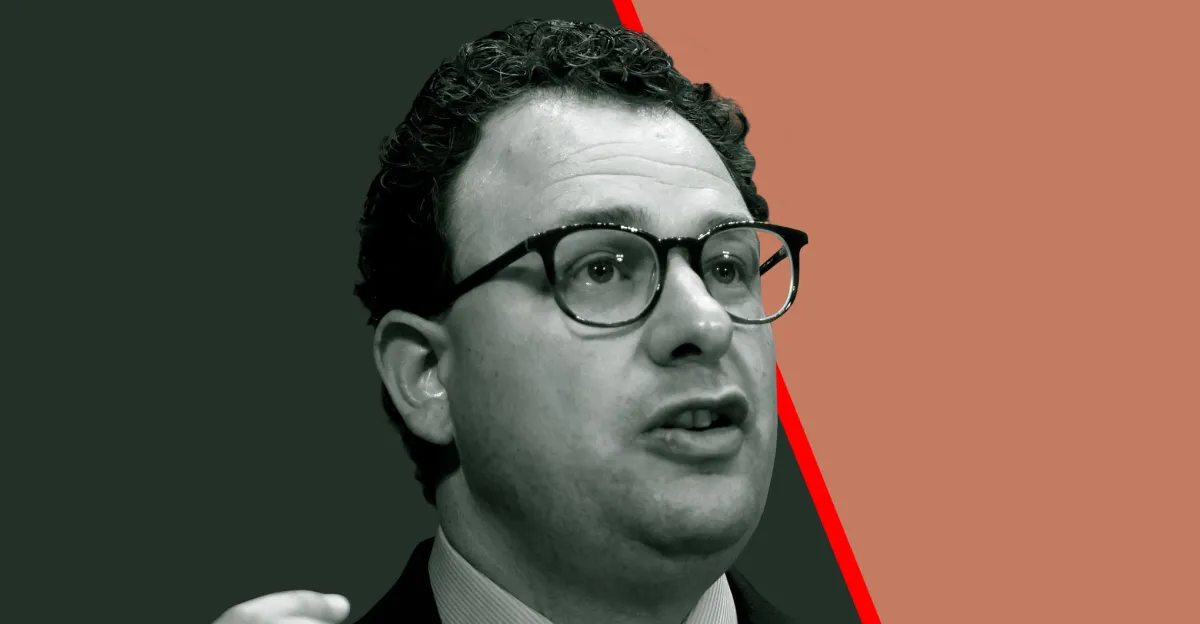
Dario Amodei, CEO of Anthropic, has reportedly re-entered negotiations with the Department of Defense, seeking to mend his company’s relationship with the U.S. military and avert its exclusion from defense contracts due to being labeled a “supply chain risk.” Previous discussions between the two entities collapsed on Friday, following an intense public dispute stemming from the startup’s refusal to grant the Pentagon unfettered access to its AI, a void that rivals like OpenAI were quick to exploit.
According to theFinancial Times, which cited anonymous sources familiar with the situation, Amodei is engaging in discussions with Emil Michael, the Under Secretary of Defense for Research and Engineering, regarding a fresh agreement that would permit the U.S. military to continue its utilization of Anthropic’s Claude AI models. Last week, Michael criticized Amodei via social media amidst a strained disagreement concerning appropriate military applications of AI, labeling the executive a “fabricator” possessing a “messianic delusion” and alleging he was “jeopardizing our nation’s safety.”
Attaining a fresh agreement might be crucial for the very existence of the American fledgling company. On Friday, Defense Secretary Pete Hegseth indicated his intention to classify Anthropic as a supply chain risk—a classification usually assigned to firms linked with foreign powers that present threats to U.S. national security. Such a designation would unleash a cascading impact across the American technology sector, compelling businesses to abandon Claude and disassociate from the enterprise if they wish to remain involved in defense procurement.
A recently disclosed memorandum, dispatched by Amodei to Anthropic personnel on Friday—initially revealed byThe Informationand also reviewed by theFT—is likely to further exacerbate the already strained relationship between the company and the Trump administration. Within this document, Amodei allegedly disparaged OpenAI’s arrangement with the Pentagon as mere “safety posturing” and characterized the communications from both sides as “outright falsehoods.”
Amodei implied that Anthropic’s ties with the federal administration had deteriorated since, in contrast to OpenAI or its leaders, “we have not contributed financially to Trump” and “we have not offered autocratic-style adulation to Trump.” Sam Altman, OpenAI’s CEO, stands among numerous influential figures from Silicon Valley cultivating favor with the pragmatic president since his re-election to power, and cofounder Greg Brockman, who also serves as OpenAI’s long-standing president, is a substantial donor to Trump.
Within the memorandum, Amodei further stated that the Department of Defense was on the verge of agreeing to Anthropic’s terms:
“Near the end of the negotiation the [department] offered to accept our current terms if we deleted a specific phrase about ‘analysis of bulk acquired data’ which was the single line in the contract that exactly matched this scenario we were most worried about. We found that very suspicious.”
Anthropic’s bitter disagreement with the Pentagon has revolved around the Department of Defense’s insistence on absolute discretion over the company’s technology, coupled with the startup’s steadfast unwillingness to yield on its two critical boundaries for military application: the prohibition of widespread monitoring of U.S. citizens and a ban on lethal autonomous weaponry—AI systems capable of terminating lives without human intervention. Hegseth has maintained that the AI technology employed by the department ought to be accessible for “any legitimate application,” conditions Anthropic has rejected due to apprehensions that they might breach these fundamental principles. Both xAI and OpenAI have allegedly assented to these conditions.
{content}
Source:{feed_title}