
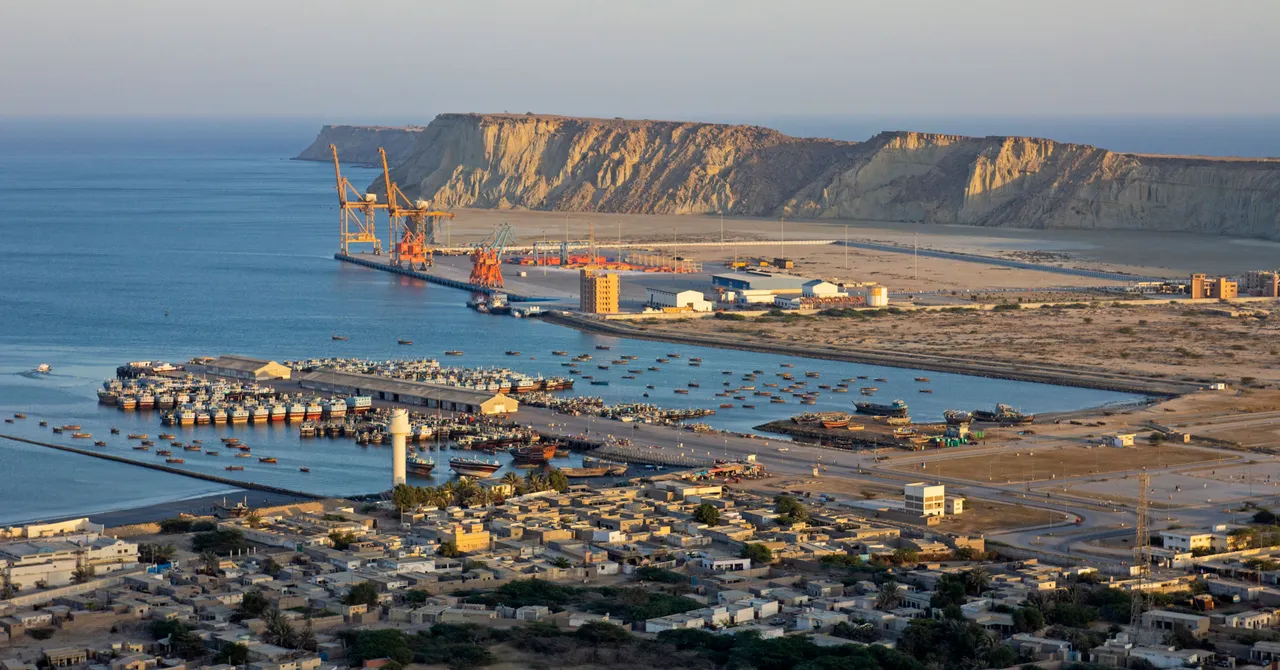
Ordinarily, on an averageday, the Strait of Hormuz, adjacent to the Persian Gulf, stands as a pivotal and highly active maritime bottleneck on the globe. Approximately a hundred vessels traverse this marine channel, situated amidst Iran, Oman, and the United Arab Emirates. Fifty percent consist of crude carriers transporting one-fifth of the global oil supply; the remaining half comprises container ships laden with finished products, bulk freighters transporting unprocessed commodities such as cereals and minerals, and dedicated ships conveying additional items like natural gas.
Yet, at present, circumstances differ. The conflict involving Iran, initiated by the United States and Israel, has drawn in almost all Middle Eastern countries, resulting in the complete cessation of commercial activity in the Strait of Hormuz. Only a limited number of vessels have navigated the passage recently, amidst escalating Iranian assaults on merchant ships and American bombardments targeting Iran’s mine-laying craft.
The ramifications stretch far beyond this narrow aquatic corridor, particularly if the hostilities persist for an extended period, according to specialists in logistics and maritime transport. Over time, the conflict might not only trigger elevated fuel costs—a reality already confronting residents of California and commercial vehicle operators—but also inflate the cost of goods in retail outlets.
Nevertheless, the underlying forces are intricate and unclear. The Middle East represents merely a minor segment of the worldwide supply chain infrastructure, and over 75% of products shipped from the region are categorized by industry professionals as Tier 3 suppliers, based on information gathered by Marsh, a company specializing in insurance brokerage and risk assessment. These entities are positioned lower in the production sequence, primarily furnishing unprocessed goods to manufacturers who convert these materials into components. Those manufacturers dispatch these components to another supplier positioned higher in the chain, who subsequently assembles them to produce sub-assemblies. A subsequent supplier, situated one stage higher, integrates these sub-assemblies to fabricate a final item.
Consequently, the goods currently unable to depart the Middle East are typically not items that consumers would identify on retail shelves at major stores like Target or Walmart. Key exported items encompass specific chemicals (such as sulfur, vital for fertilizer production), polymers, accurate devices, industrial equipment, electrical constituents, aluminum, and electronic elements, including transistors and diodes, as per Marsh’s findings. Delays in fertilizer delivery could prove particularly detrimental for agricultural producers (and ultimately, consumers) in the northern hemisphere as the cultivation period commences.
The placement of these goods lower in the supply chain might afford the international market additional time to prepare for disruption, explains James Crask, who oversees Marsh’s global supply chain division. Numerous manufacturers are probably redirecting their consignments via Africa or endeavoring to locate alternative providers capable of assisting them in introducing their final products to international markets.
Nonetheless, when these limitations are coupled with the worldwide ramifications of the Trump administration’s inconsistent tariff policies, the outcome is a formula for significant upheaval—and potential cost increases. “A market hindered from dispatching commodities within a genuinely susceptible supply chain framework implies, at best, an inevitability of upward price pressure,” he states.
The economic outlook for global consumers could deteriorate further if the hostilities persist in spreading. Turkey, for instance, manufactures vehicle components and clothing, and unrest in that nation could introduce supply chain complications to novel sectors.
A protracted conflict, lasting more than six weeks, could generate broader worldwide economic ramifications, analysts from the insurance corporation Allianz Trade observed in a research brief last week. The company discovered that, in the near term, elevated petroleum costs contribute to marginally increased inflation rates—and a sense of reduced purchasing power.
{content}
Source:{feed_title}