
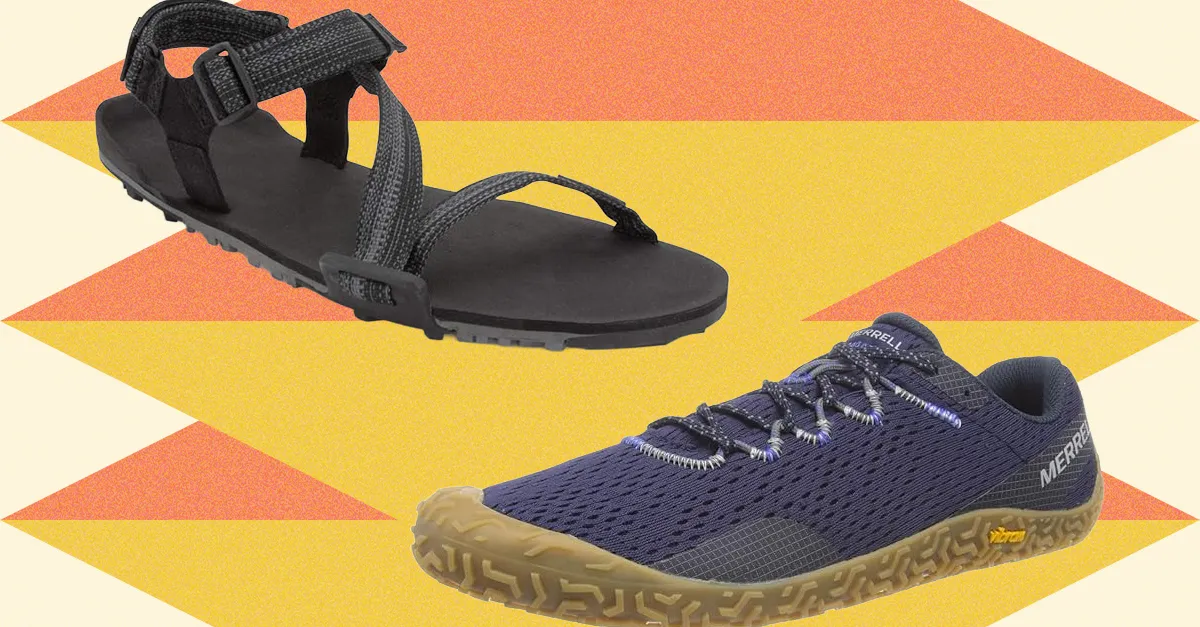
Likely, for the majority of your existence, you’ve worn cushioned footwear. It’s unrealistic to anticipate discarding them and covering identical distances—be it walking or jogging—in minimalist shoes. To some extent, mastering the art of running and walking anew is imperative. This will demand deliberate exertion from you, and it may prove quite challenging. Beyond mere acquisition of knowledge, you’ll also besheddingcertain deeply rooted customs. The crucial aspect is to proceed gradually. Extremely, exceptionally, ludicrously slowly.
Your approach to barefoot footwear hinges on your objectives. I happened to be embarking on a running journey, which worked out favorably because I *had* to take it easy (I was terrible). If you’re presently an ultra-endurance runner desiring to experiment with minimalist shoes, you’ll find it tough to restrain yourself. If your skill level falls between those extremes, resisting the urge to overexert will still be difficult. Channel the discipline you typically apply to covering long distances intoavoidingextended mileage.
Should you be unsure where to commence, explore Graham Tuttle’s YouTube channel, particularly his exercises for strengthening feet. These will aid in developing the foot and ankle resilience you likely lack if you’re transitioning from years of cushioned footwear, and help alleviate muscular discomfort when you begin barefoot running. Tuttle also provides some fee-based programs designed to offer more individualized guidance (I haven’t sampled any of these). Another YouTube channel I’ve found beneficial is MovNat’s, which isn’t exclusively focused on barefoot activities but intersperses plenty of valuable minimalist advice throughout its material. And if you haven’t delved into Christopher McDougall’s works, bothBorn to RunandNatural Born Heroesoffer entertaining reads related to barefoot concepts. Indeed,Born to Runarguably contributed more to popularizing barefoot running than anything else since the advent of the padded shoe in the early 1970s.
It’s also worth noting that minimalist footwear isn’t an all-or-nothing proposition. For over a year, I utilized barefoot shoes for running, conventional shoes for other activities, and sandals for the remainder of the time. It’s not an absolute commitment. If you complete a barefoot run and then immediately slip on your preferred Converse, that’s perfectly fine. It’s equally vital to recognize that everyone’s journey is unique. It took me half a year to fully transition to minimalist shoes. But that merely reflects my experience. It might take you two months or two years. Progress at your own comfortable speed, and disregard the experiences of others.
{content}
Source:{feed_title}