
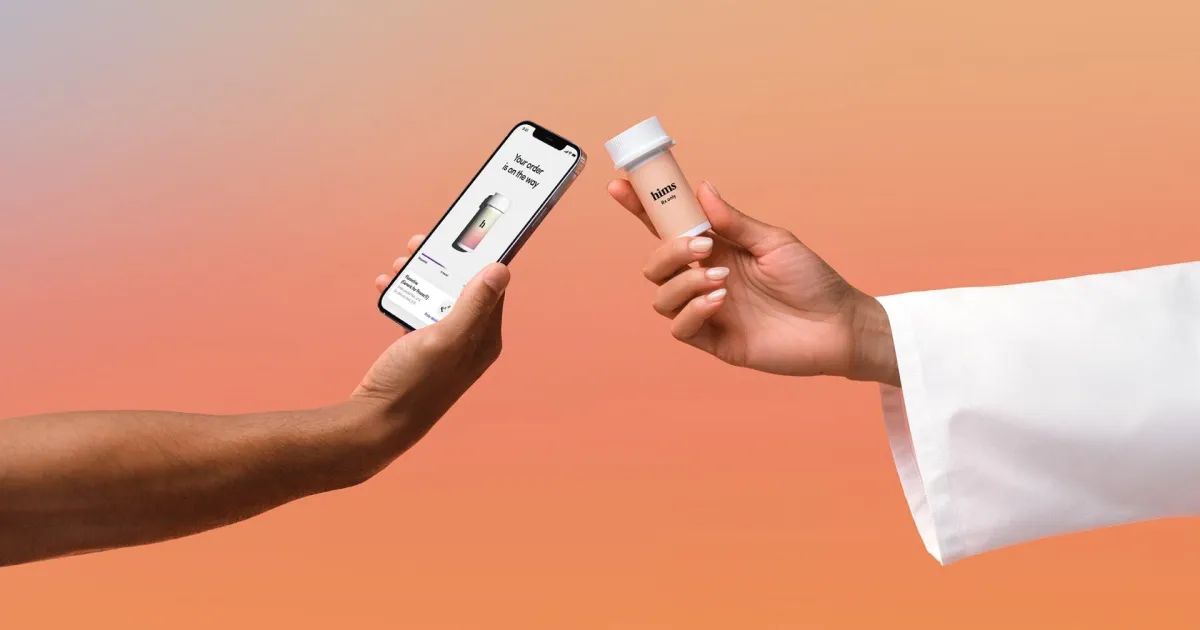
Hims & Hers, a prominent telehealth provider specializing in weight-loss drugs and sexual health prescriptions, has confirmed a significant data breach. The incident, which occurred through a third-party customer service platform, exposed personal information submitted by users to the company’s support team.
Key Takeaways
- Third-Party Vulnerability:The breach originated from a third-party customer service platform, highlighting the pervasive supply chain risk in modern digital operations.
- Social Engineering Attack:Hackers leveraged social engineering tactics to gain unauthorized access, underscoring the human element as a critical weakness in cybersecurity defenses.
- Sensitive Data Exposure:While Hims & Hers states medical records were untouched, the compromised customer support tickets contained names, contact information, and “unspecified personal data” that could still reveal sensitive health-related inquiries given the company’s services.
Hims & Hers Confirms Data Breach via Third-Party Support System, Highlighting Telehealth Security Risks
In an unsettling development for the rapidly expanding telehealth sector, Hims & Hers, a well-known provider of personalized health and wellness solutions, has officially disclosed a data breach impacting its third-party customer service platform. The incident, detailed in a data breach notice filed with the California Attorney General’s office, underscores the persistent vulnerabilities associated with third-party vendors and the increasingly sophisticated tactics employed by cybercriminals.
The Anatomy of the Breach: Social Engineering and Support Ticket Exposure
The breach, which occurred between February 4 and February 7, saw unauthorized access gained to the company’s third-party ticketing system. During this window, hackers successfully exfiltrated a trove of support tickets containing personal information submitted by customers. According to Jake Martin, a spokesperson for Hims & Hers, the attack was a result of a social engineering scheme. This method involves tricking employees into inadvertently granting access to systems, often through deceptive communications like phishing emails or pretexting. Such attacks bypass technical safeguards by exploiting human trust, making them particularly insidious and difficult to prevent.
The stolen data primarily included customer names and email addresses, though the company’s initial disclosure to the California AG’s office also mentioned “other unspecified personal data” that remained redacted in the public letter. This lack of specific detail raises concerns, especially given the sensitive nature of the services Hims & Hers provides, which range from weight management and hair loss treatments to sexual health prescriptions. While the company has assured that core customer medical records were not directly affected, the contents of support tickets can often reveal highly personal information about a user’s account, specific health concerns, medication inquiries, or other sensitive details that customers might share while seeking assistance.
The Implicit Sensitivity of Customer Support Data in Telehealth
For a company like Hims & Hers, even data not categorized as “medical records” can carry significant weight and sensitivity. A customer’s inquiry about a specific weight-loss medication, a side effect of a sexual health prescription, or a question about account billing for a particular service, could inadvertently reveal private health information. The ambiguity surrounding “unspecified personal data” in the breach notification leaves much to interpretation and could include explicit details about health conditions or treatment plans discussed in a customer support context. This makes the potential impact on affected individuals far greater than a simple name and email address exposure, particularly when considering the potential for targeted phishing or identity theft.
The exact number of individuals impacted by this breach remains undisclosed, though under California law, companies must report incidents affecting 500 or more state residents. The company has not indicated whether it has received any communication from the hackers, such as a ransom demand, leaving open questions about the motivations behind the attack and the ultimate fate of the stolen data.
The Growing Threat to Third-Party Customer Support Systems
This incident is not an isolated event but rather indicative of a broader trend. Customer support and ticketing systems have become increasingly attractive targets for financially motivated hackers. These platforms often serve as repositories for vast amounts of customer data, including personally identifiable information (PII) and sometimes even sensitive documents, making them lucrative targets for extortion or data resale on the dark web. Companies frequently rely on third-party vendors for these services, creating a complex ecosystem where the security posture of one weak link can compromise an entire chain.
Last year, the popular communication platform Discord experienced a similar data breach involving its customer support ticketing system. That incident exposed government-issued IDs, such as driver’s licenses and passports, belonging to approximately 70,000 individuals who had submitted them for age verification. These examples highlight a critical vulnerability point for businesses of all sizes – the reliance on external platforms that, while efficient, can introduce significant security risks if not rigorously vetted and continuously monitored.
Navigating the Aftermath: Implications for Customers and the Industry
For affected Hims & Hers customers, vigilance is paramount. They should be on high alert for suspicious emails, phone calls, or texts that may attempt to leverage the stolen information for phishing attacks or identity theft. Monitoring financial accounts and credit reports for unusual activity is also strongly advised. For Hims & Hers, beyond immediate mitigation, the breach necessitates a comprehensive review of its cybersecurity defenses, particularly its third-party vendor management protocols and employee training programs designed to combat social engineering. The incident also serves as a stark reminder for the entire telehealth industry, which handles some of the most sensitive personal data, that robust security extends far beyond core medical records systems and must encompass every touchpoint where customer data is handled.
Bottom Line
The Hims & Hers data breach is a potent reminder that in today’s interconnected digital landscape, no company, especially those handling sensitive personal health information, is immune to cyber threats. The exploitation of a third-party customer support system via social engineering underscores the critical need for comprehensive security strategies that encompass both technical safeguards and robust human training. As telehealth continues its rapid expansion, ensuring the integrity and confidentiality of user data across all platforms, direct and indirect, must remain a paramount priority to maintain user trust and protect individual privacy.
{content}
Source:{feed_title}