
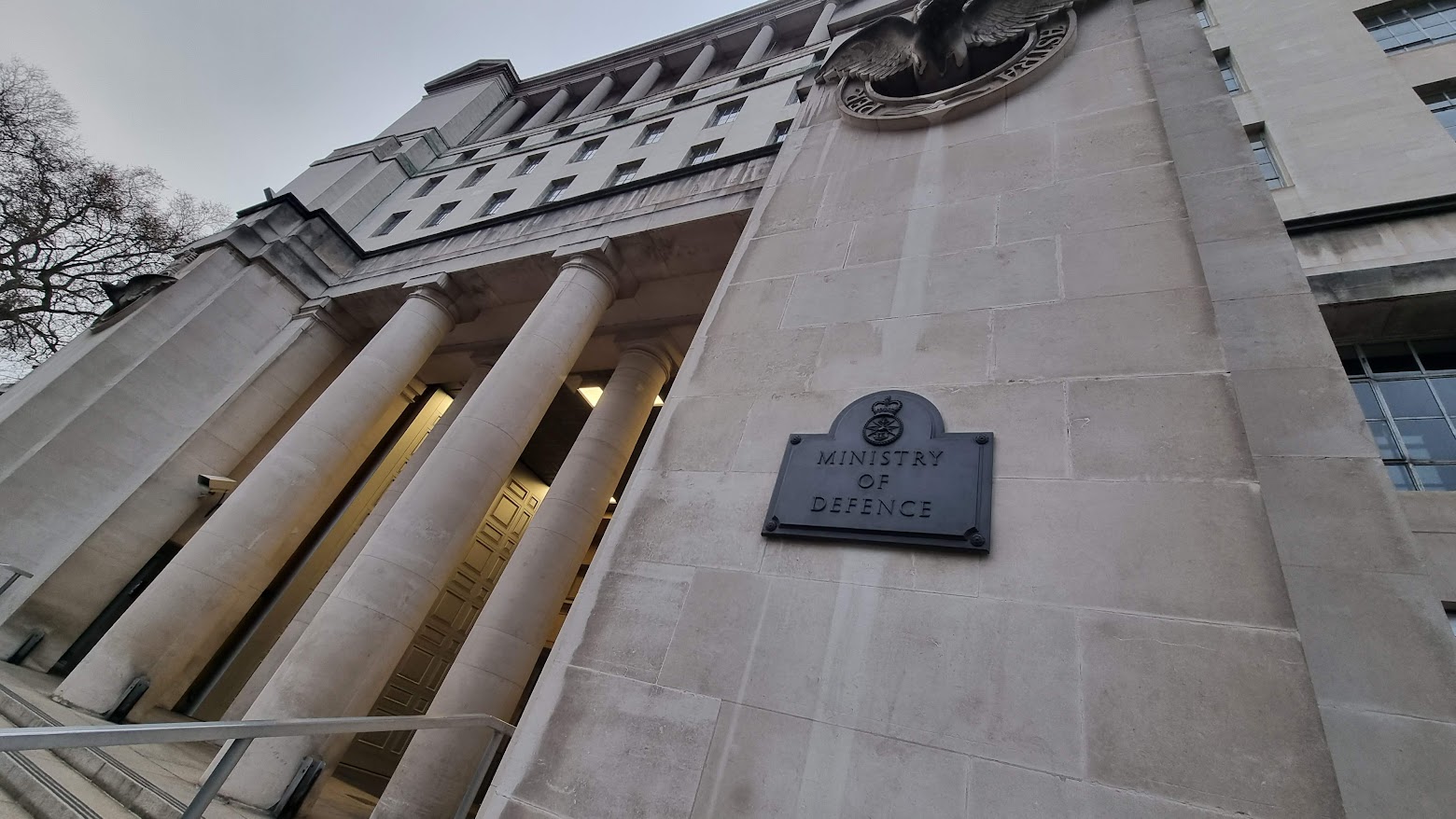
The Ministry of Defence has stated that its Strategic Defence Assessment (SDA) establishes both overt and subtle imperatives regarding what the Armed Forces should diminish, as it proceeds to enact changes via the postponed Defence Expenditure Scheme (DES).
Writing to Tan Dhesi, chair of the Defence Committee, the Defence Minister characterized the assessment as signifying“a crucial transformation in the UK’s dissuasion and protection,”structured around five primary objectives, such as a NATO-centric approach, a transition to combat preparedness, and an intensified emphasis on pioneering advancements and economic expansion.
Addressing worries that the assessment fails to explicitly outline what ought to be curtailed or eliminated, the correspondence contends that the act of prioritisation is inherent within the proposals themselves, asserting that choices about what to cease or downgrade are apparent in both“overt and subtle suggestions”adopted by the administration.
Among these are a reorientation of attention towards the Euro-Atlantic territory, rather than other operational zones, along with endeavours to diminish redundancy throughout the department via broader defence restructuring initiatives.
Furthermore, the communication highlights the magnitude of transformation necessary, observing that the progression towards combat readiness follows what it terms a“prior weakening of the Armed Forces,”with the SDA’s 62 proposals establishing the foundation for subsequent operational capacity and expenditure determinations.
Nevertheless, the procedure of converting these proposals into financed initiatives remains intrinsically linked to the Defence Expenditure Scheme, which aims to transform the assessment’s overarching strategy into what the department characterises as a“cost-effective implementation agenda.”