
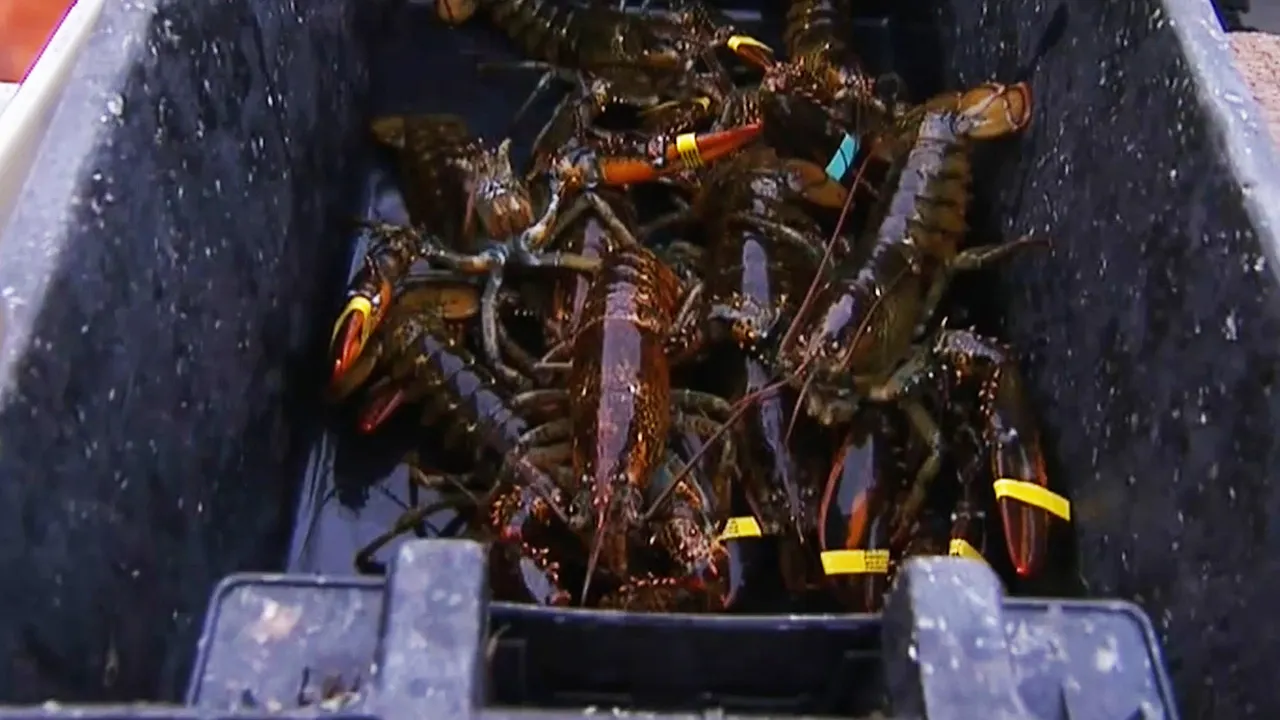
This season’s intensely chilly weather, which caused a drop in lobster hauls, could lead to an escalation in the cost of lobster rolls.
PORTLAND, Maine – Thelobster tradein Maine is experiencing increasing strain, as a severe winter curtailed fishing operations, diminished yields, and exacerbated growing expenses throughout the field.
According to the Maine Department of Marine Resources, the state, which is the foremost lobster provider in the U.S., documented its fourth straight yearly reduction in overall hauls.
A primary factor was a reduction in days spent at sea. The agency reported that Maine’s lobster fishers embarked on over 21,000 fewer expeditions in 2025 compared to 2024. Aggregate landings decreased to slightly above 78 million pounds, marking the lowest quantity recorded since 2008.
“Things commenced in December, and typically during that month, one gets many opportunities to fish, but we weren’t able to,” stated lobster fisherman Greg Turner.
Turner, having been employed on a vessel since his youth, explained that during the busiest winter periods, teams could only conduct fishing operations for roughly half the usual number of days.
“Should the temperature be zero, and winds are gusting at minus 25, going out is impossible because – if any mishap occurred – you’d be finished. You would likely perish out there,” Turner remarked.
HOUSEHOLD FUEL COMPANIES UNDER STRAIN AS DIESEL, UNREFINED OIL COSTS RISE AMIDST MIDDLE EAST CONFLICTS
Turner’s vessel, Deborah & Megan II.(Kailey Schuyler / Fox News)
Additionally, reduced temperatures influenced lobster conduct, additionally restricting captures.
“It causes the lobsters to become sluggish and cease movement faster, since when the chill sets in, they lose their appetite,” Turner elaborated.
UNCOMMON ‘COTTON CANDY’ LOBSTER CAPTURED IN NEW ENGLAND: ‘1 IN 100 MILLION’
The wintry circumstances have exacerbatedpresent monetary strainson the sector, encompassing rising prices, duties, and evolving market forces.
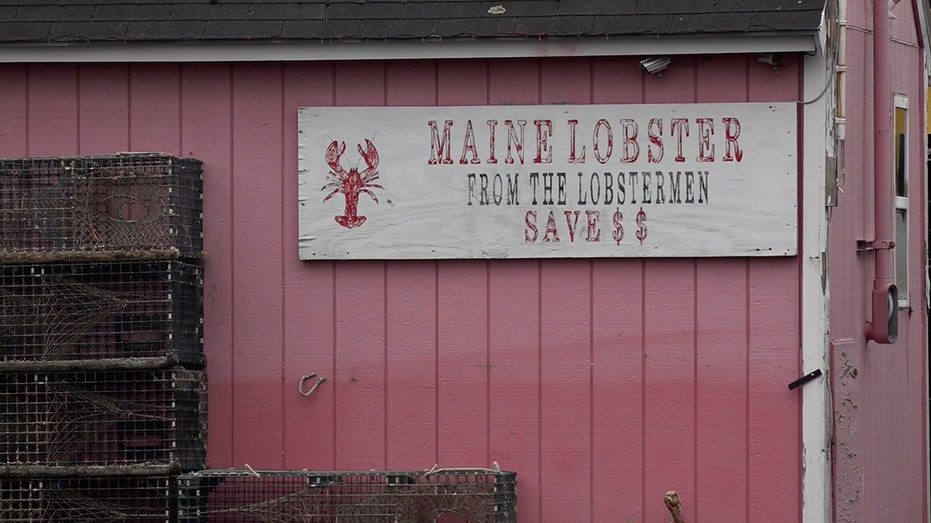
A method to secure a bargain on lobster is to purchase directly from fishers.(Kailey Schuyler / Fox News)
Carl Wilson, Commissioner of the Maine Department of Marine Resources, penned that escalating prices and market volatility in 2025 adversely affected the profitability of fishers. He further noted that a delayed molting season restricted the availability of newly shelled lobsters throughout the summer, inducing some harvesters to curtail their voyages.
Nonetheless, Maine’s commercial gatherers procured over $600 million in 2025; this signified the 14th consecutive year that revenues surpassed $500 million. Yet, fishers contend that amplified revenues have not resulted in greater gains at the pier.
“Believe me, we are not receiving it, truly not. However, I mean, all expenses have climbed for us – the cost to acquire it, move it, cook it, prepare it; those must have increased as well. This is simply the reality of our current world,” Turner stated.
The typical vessel price stayed comparatively robust at $5.85 per pound; however, proponents of the industry assert that elevated pier prices are essential to support fishers.
“Our desire is to observe an increased price at the pier. That revenue will proceed directly to your fishers and, ideally, allow them to continue their work as they represent a truly vital component of our local area,” remarked Alexa Dayton, executive director at the Maine Center for Coastal Fisheries.
MAINE LOBSTER ANGLER DISCLOSES REASON CRUSTACEANS HE GATHERS TASTE ‘SWEETER,’ ‘SUPERIOR’
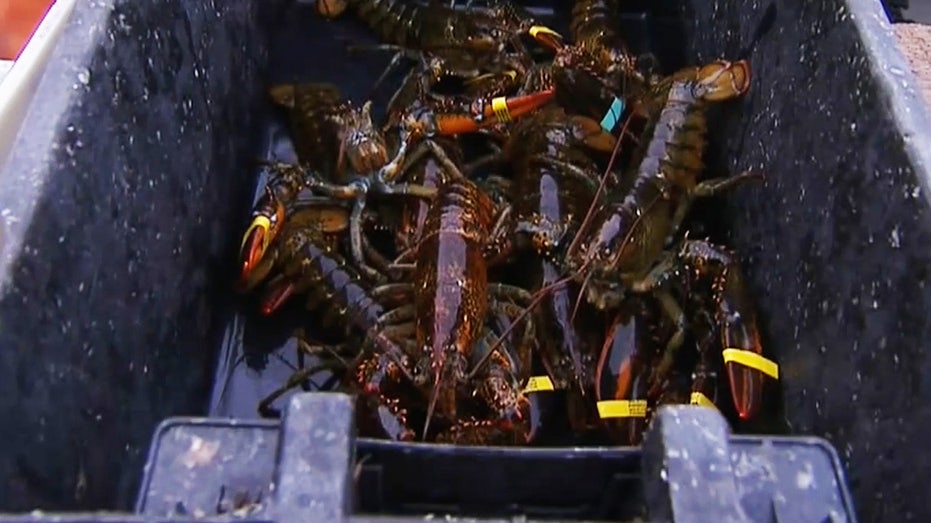
During 2025, the vessel price maintained its robustness at $5.85.(Fox News / Fox News)
Dayton is presently carrying out a detailed expenditure examination among numerous hundred lobster fishers, noting that preliminary replies underscore the considerable reduction in fishing duration this winter.
“Their ideal scenario involves being at sea, approximately 15 days monthly. This year, that figure has diminished to around five days,” Dayton commented.
She further highlighted inconsistent marine environments throughout the state. The waters in Down East Maine, stretching from Stonington to Machias, have registered markedly lower temperatures than the norm, especially on the seabed, whereas sections of the western Gulf of Maine have experienced comparatively milder conditions.
“It is indeed possible for the temperature to be excessively frigid for them,” Dayton stated, alluding to the lobsters’ optimal thermal zone.
U.S. LOBSTER SECTOR CONTENDS WITH CLIMATE SHIFT, CETACEAN DEFENSE RULES AS HAULS DECREASE
Escalating operational expenses are introducing additional burden. Dayton mentioned that the cost of bait has soared considerably since her previous assessment in 2010.
“I mean, we’re talking about roughly 350% surges. It was once a matter one didn’t overly concern oneself with. Presently, it’s a significant determinant of one’s remaining earnings at the close of the day,” she explained.
The monetary strain is spreading past the piers and into littoral economies. Dayton indicated that numerous communities depend substantially on earnings from fishing.
“However, the anxiety of earning a livelihood, and again, observing days pass without revenue, impacts both the fishing sector and the activity on Main Street,” Dayton commented. “I mean, for many of these littoral communities, there’s an 80% reliance on fishing, at least as indicated by our study, and this directly influences whatoccurs at the food market.”
ACCESS FOX BUSINESS ON THE MOVE VIA THIS LINK
She further mentioned that the majority of Maine’s lobster fishers manage small, autonomous enterprises instead of corporate organizations, rendering them especially susceptible to price fluctuations and missed fishing opportunities.
“Fishers here in Maine manage their distinct, individual ventures. These are not corporate proprietors. I believe that distinguishes and makes us exceptional.”