
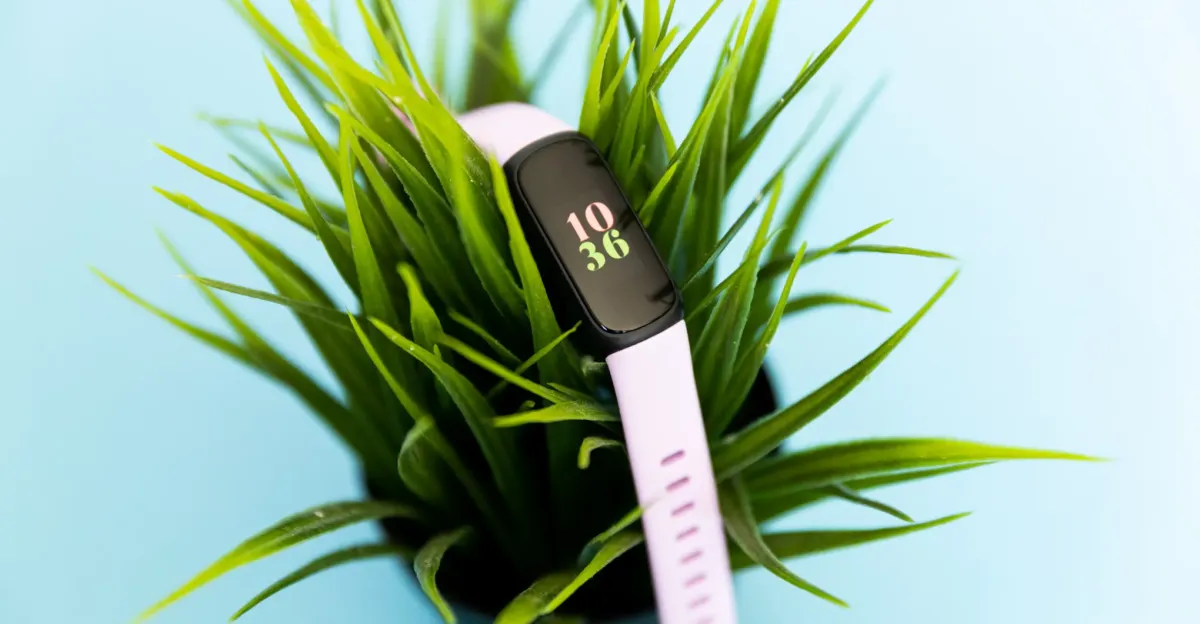
This device excels at its core functions, precisely monitoring fundamental health and fitness data. While a suitable pick for merely counting steps, it can delve further, providing functionalities like notifications for erratic heart rhythms, insights into sleep patterns, and utilities for stress management. The monitor itself is featherlight and sufficiently comfortable to keep on during slumber (The Verge’s Victoria Song occasionally barely noticed its presence). Information is clearly discernible on its luminous OLED screen, and the device offers a battery life of up to ten days from a single charge. Should you prefer not to adorn it on your wrist, it can be detached from its strap and affixed with a clasp accessory instead.
Predictably, this economical Fitbit omits functionalities present in its more expensive versions. Acquiring sophisticated well-being utilities such as SpO2 monitoring and electrocardiograms will necessitate a higher investment. Furthermore, it lacks NFC payment capabilities, integrated satellite navigation, or intelligent functionalities such as compatibility with Amazon Alexa or Google Assistant (many of which are provided by the Fitbit Charge 6). Rather, the monitor confines itself to basic alerts, reminders, and countdowns, ensuring user-friendliness and preventing superfluous interruptions.
{content}
Source:{feed_title}