
Discover the latest trends and news on FoxBusiness.com.
TheIran conflict’sinfluence on worldwide petroleum costs might accelerate the inflation rate for American consumers, placing Federal Reserve decision-makers in a precarious position as they deliberate potential reductions in interest rates.
A study conducted by experts atGoldman Sachsforesaw Brent crude petroleum prices, a standard indicator for the international oil sector, staying high, averaging $105 per barrel in March and $115 in April, then decreasing to $80 per barrel by the fourth quarter of 2026. This projection assumes crude oil deliveries via the Strait of Hormuz will stay significantly limited for a period of six weeks.
Should a detrimental situation arise, with petroleum transport hindered for ten weeks, the company anticipates Brent crude reaching a high of $140 per barrel and then decreasing to $100 per barrel by Q4 2026. A profoundly detrimental circumstance, involving ten weeks of interruptions alongside damage to infrastructure, thereby causing a sustained blow to oil output, would result in a peak of $160 per barrel, settling at $115 per barrel by Q4 2026.
“The majority of the conflict’s effect on U.S. inflation will stem fromelevated petroleum costs,” the Goldman economists stated, adding that their “general guideline indicates that a 10% rise in oil prices boosts headline Personal Consumption Expenditures (PCE) inflation by 0.2 percentage points and core inflation by 0.04 percentage points,” with a significant portion of this increase being attributable to conveyance expenses.
IRAN CONFLICT FUELS ASIA ENERGY SHORTAGE AS INDIA, JAPAN, OTHERS FEEL PRESSURE
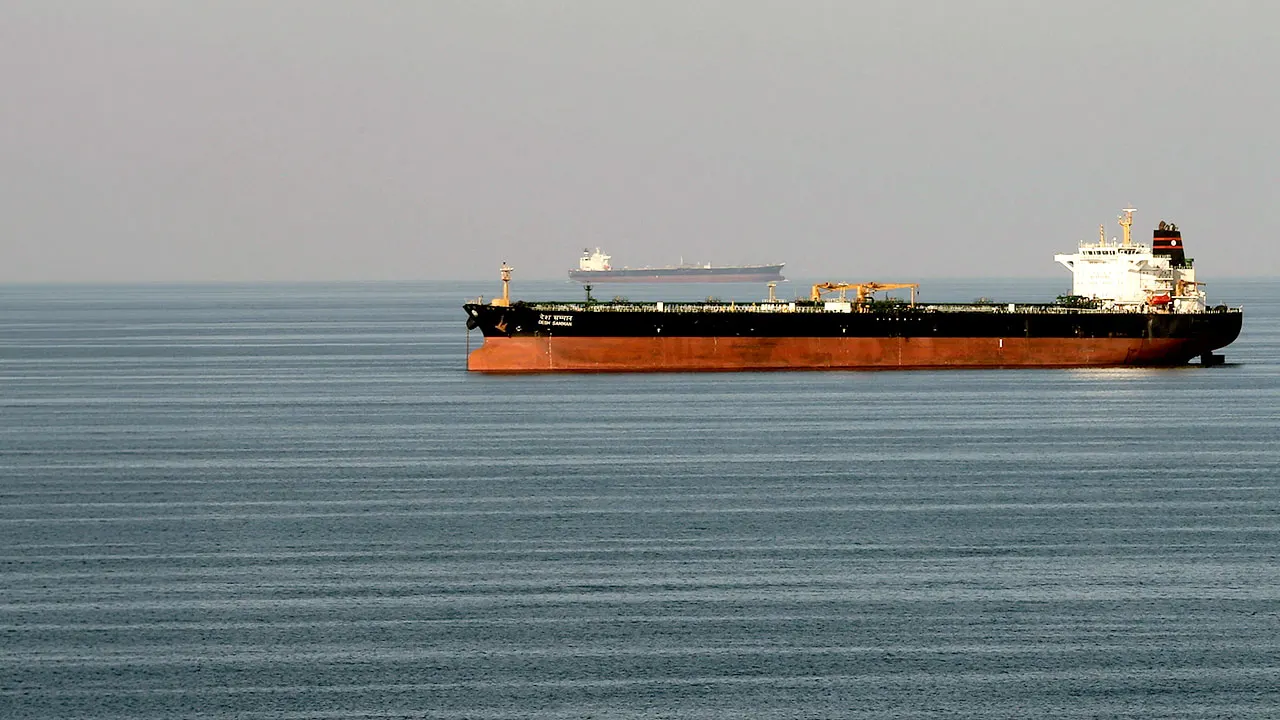
Anticipations are for increased inflation this year, according to Goldman Sachs’ revised projections, attributed to the oil price surge brought about by the Iran conflict.(AFP via Getty Images)
The assessment from Goldman Sachs also examined other raw materials, such as agricultural nutrients, which might incur elevated expenditures because of restrictions on Gulf region exports. It projected that increased fertilizer expenses could elevate food costs by approximately 1.5% this year, thereby pushing headline inflation up by 0.1 percentage point.
Furthermore, ripple effects arising from anticipatedgreater inflationcould augment inflation by 0.1 percentage point by late 2026 within the standard projection, or by 0.4 percentage points under the extremely unfavorable projection.
Such elements might elevate the Federal Reserve’s favored measure of inflation. The Personal Consumption Expenditures (PCE) index registered a 2.8% increase on a headline basis in January, whereas core PCE, which omits fluctuating food and energy components, climbed by 3.1% in the same month. Both statistics considerably exceeded the Fed’s enduring 2% inflation objective, leading policymakers to decide against reducing rates in their preceding two gatherings due to these high measurements.
FINANCIAL SECTORS EAGERLY AWAITING ‘EVERY STATEMENT’ AS U.S.-IRAN TENSIONS APPROACH ONE MONTH MARK, FORMER NATIONAL ECONOMIC COUNCIL DIRECTOR CAUTIONS
The economists at Goldman Sachs’ assessment reveals that, considering augmented oil prices, the effect onfood costs, and the milder influence of other goods and anticipated inflation, they adjusted their December 2026 PCE inflation projection upwards by 0.2 percentage points, reaching 3.1% in the base case.
Under the unfavorable scenario, PCE inflation is projected to hit 3.6% in December following a spring peak of 4.6%; conversely, the profoundly unfavorable scenario would see PCE inflation at 4% by year-end, after reaching its highest point at 4.9%.
The company similarly increased its prediction for corePCE inflationto 2.5% by year-end in the standard scenario, whereas it would stand at 2.6% in December under both the detrimental and profoundly detrimental scenarios.
IRAN CONFLICT NOT EXPECTED TO PROVOKE WORLDWIDE SUPPLY CHAIN BREAKDOWN, GOLDMAN SACHS DECLARES
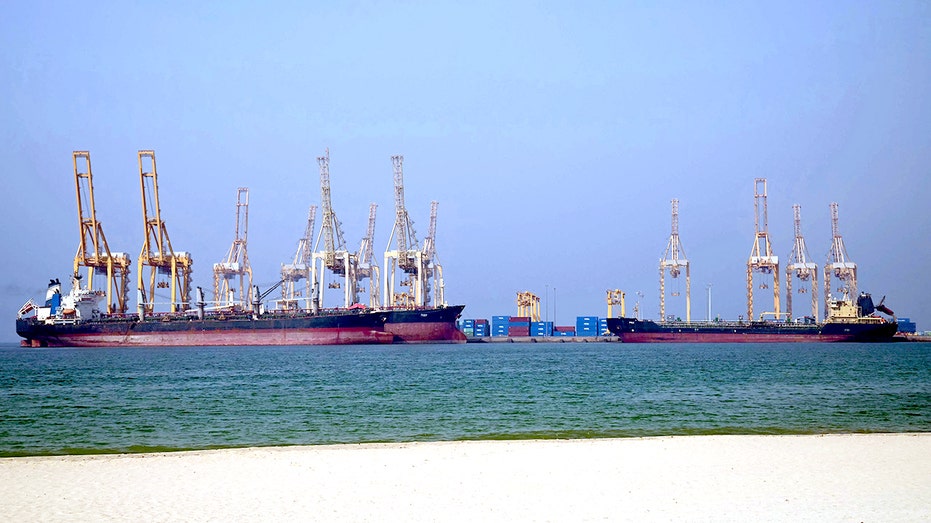
The passage of oil vessels via the Strait of Hormuz experienced limitations throughout the Iran conflict.(Giuseppe Cacace/AFP via Getty Images)
Goldman Sachs concurrently decreased its projection foreconomic expansion, adjusting the 2026 gross domestic product (GDP) growth down to 2.1% in the fourth quarter relative to the corresponding period of the previous year, or 2.4% annually, under the basic premise. The GDP expansion outlook would decline to 1.9% year-over-year in the fourth quarter for the unfavorable scenario and 1.8% for the profoundly unfavorable scenario.
The corporation additionally increased its 12-month likelihood of aneconomic downturnby five percentage points, reaching 30%.
The financial analysts maintained their fundamental prediction regardingFederal Reservereductions in interest rates, which included two 25-basis-point cuts slated for September and December. They clarified their expectation for the unemployment rate to climb to 4.6%, surpassing the 4.4% median forecast from Fed officials at their most recent assembly.
GET FOX BUSINESS ON THE GO BY CLICKING HERE
Nevertheless, they did elevate the likelihood of the Fed maintaining current rates this year from 20% to 25%, simultaneously diminishing the chance of precautionary reductions from 15% to 10%, citing the comparatively elevated inflation figures they foresee.