

In a landscape increasingly defined by persistent inflation and a cautious consumer, Chipotle Mexican Grill appears to be strategically navigating the turbulent waters of the fast-casual dining segment. Recent commentary from CEO Scott Boatwright highlights a significant improvement in customer perception regarding the brand’s affordability, signaling a potential shift in market dynamics and a broadened appeal for the popular chain.
Key Takeaways
- Improved Affordability Perception:Chipotle CEO Scott Boatwright reported a notable increase in customer perception of affordability across all income groups and age demographics in Q2, marking the best scores in years.
- Holistic Value Strategy:The company is pivoting its value proposition beyond just price, emphasizing convenience, execution, and menu innovation as crucial elements in how consumers determine worth.
- Strategic Market Positioning:This focus on broader value, coupled with targeted lower-priced menu options and robust revenue growth, positions Chipotle to enhance market share and sustain growth amidst a challenging, value-driven consumer environment.
PepsiCo CEO Ramon Laguarta discusses how the food and beverage giant is seeing massive paybacks after slashing consumer prices on ‘The Claman Countdown.’
Speaking on Chipotle’s second-quarter earnings call, Boatwright detailed a heartening trend from the company’s brand tracking, which showed “really solid progress across all income groups and age cohorts on value perception.” He added, “Our affordability scores were better in Q2 than they’ve been in probably the past couple of years.” This revelation is particularly significant in a macroeconomic climate where consumers are meticulously scrutinizing every dollar spent, often trading down or reducing discretionary purchases.
For months, the restaurant industry has grappled with the fallout from sticky inflation, which has pushed up food costs, labor expenses, and ultimately, menu prices. Many fast-casual and quick-service chains have seen customer traffic wane as diners experience “menu fatigue” and “sticker shock.” Chipotle itself has not been immune to these pressures, with previous reports and alleged comments from its leadership suggesting a strategy of “leaning into” higher-income customers and continuing price hikes. Boatwright’s current statements, emphasizing that Chipotle is “for everyone” and has “an affordable price point for all walks of life,” suggest a potentially calculated pivot or clarification of this strategy, aiming to broaden the brand’s appeal without compromising its premium positioning.
Boatwright was keen to articulate that the concept of “value” extends far beyond mere price points or promotional discounts. “Value isn’t just about discounting and price point. It’s about convenience. It’s about execution,” he explained. “It’s about menu innovation. There’s a host of things that the consumer is looking at to determine value.” This holistic approach resonates strongly in a competitive market. Convenience, for example, encompasses seamless digital ordering experiences, efficient drive-thru lanes (Chipotlanes), and speed of service – factors that are increasingly critical for time-poor consumers. Excellent execution speaks to the quality of ingredients, consistent portion sizes, and the overall dining experience, which Chipotle has historically prided itself on.
A person works in a Chipotle outlet in Manhattan, New York City.(Andrew Kelly/Reuters)
Menu innovation, as another pillar of value, includes not just new and exciting flavor profiles but also options that cater to varying dietary needs and budget considerations. In line with this strategy, Chipotle has recently introduced lower-priced menu options, demonstrating a tangible commitment to enhancing affordability. In December, the company launched a high-protein menu featuring a Single Chicken Taco, starting at $3.50 at select U.S. restaurants, and a High Protein Cup of Adobo Chicken, with a national weighted average price of $3.82. These offerings allow budget-conscious customers to still enjoy Chipotle’s fresh ingredients without committing to a full-sized burrito or bowl, potentially attracting new customers and encouraging more frequent visits from existing ones.
Financially, these strategic efforts appear to be bearing fruit. Chipotle reported robust second-quarter revenue of $3.3 billion, a healthy 9.3% increase from the same period last year. This growth is impressive, particularly given the broader economic challenges and the often-cited pullback in discretionary consumer spending. Such figures suggest that while consumers are indeed more discerning, Chipotle’s blend of perceived value, quality, and convenience is resonating strongly enough to drive both traffic and sales.
The competitive landscape of the fast-casual sector further underscores the importance of Chipotle’s renewed focus on value. The sector is notoriously cutthroat, with players ranging from established giants to emerging niche concepts. The recent closure of all U.S. restaurants by Chipotle rival Guzman y Gomez Mexican Kitchen serves as a stark reminder of the intense pressures and difficulties in achieving scale and profitability in this segment. While other major chains like McDonald’s and Starbucks are also rolling out new value menus and loyalty programs to entice cost-sensitive consumers, Chipotle’s strategy appears to be leveraging its core strengths—freshness, customization, and speed—to redefine what value means in a post-inflationary world.
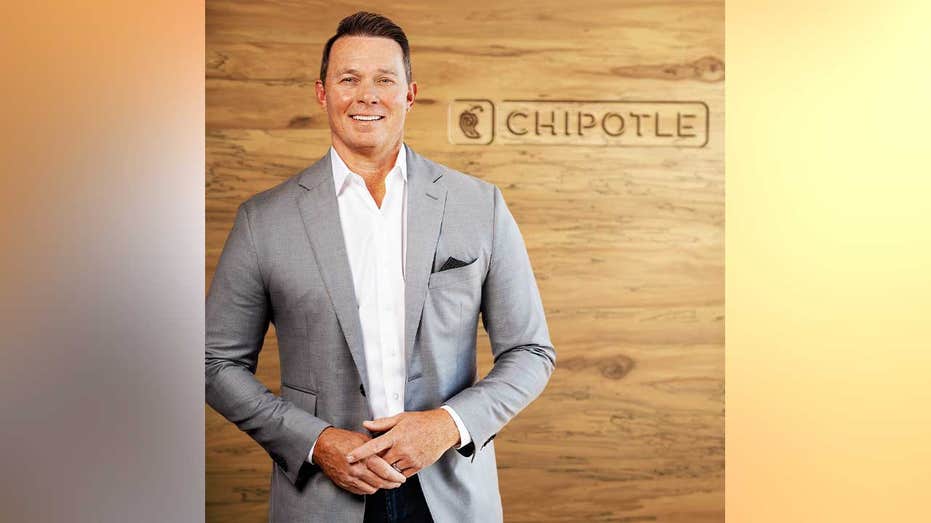
CEO Scott Boatwright said that customers do not judge value solely by prices or discounts.(Chipotle)
Boatwright has consistently pushed back against perceptions that Chipotle has become overly expensive or has resorted to reducing portions to boost profits. His reiterated stance, as heard in a May appearance on Yahoo Finance’s “Power Players” podcast, that “We have an affordable price point for all walks of life, and we’re for everyone. We want everyone to have access to wholesome, nutritious food,” aligns perfectly with the improved affordability scores reported in Q2. This messaging is crucial for maintaining brand loyalty and attracting a broader customer base, especially as the company accelerates its global expansion, including its first restaurant in Mexico.
| Ticker | Security | Last | Change | Change % |
|---|---|---|---|---|
| CMG | CHIPOTLE MEXICAN GRILL INC. | 38.53 | +4.29 | +12.53% |
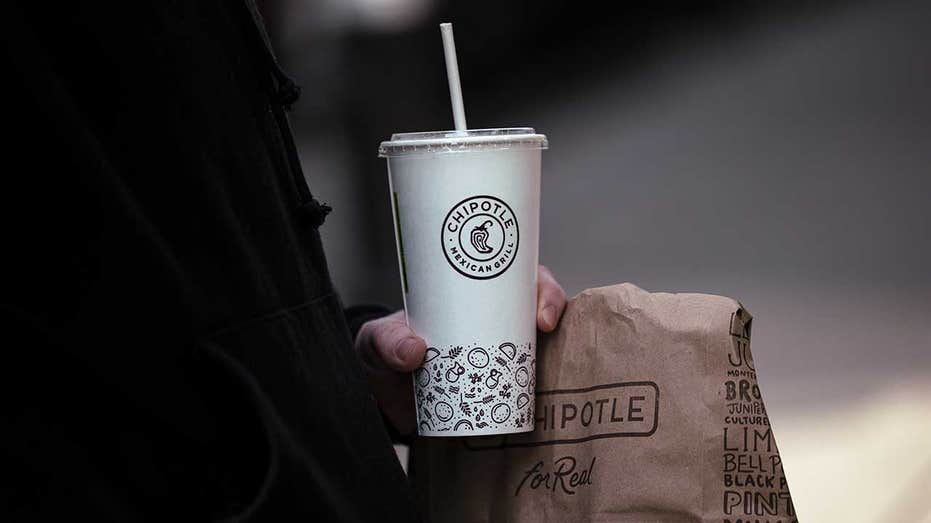
Chipotle on Wednesday also reported second-quarter revenue of $3.3 billion, up 9.3% from the same period in 2025.(Angus Mordant/Bloomberg via Getty Images)
Market Impact
The positive shift in Chipotle’s perceived affordability, combined with robust revenue growth, could significantly bolster investor confidence in CMG (Chipotle Mexican Grill Inc.) stock. In a market where consumer discretionary spending is under intense scrutiny, the ability to attract and retain a broad customer base through a compelling value proposition is a strong indicator of sustainable growth. This strategic emphasis on holistic value, beyond just price, could differentiate Chipotle from competitors and allow it to maintain its premium valuation while expanding its market reach. Investors will be closely watching if this improved perception translates into sustained same-store sales growth and increased traffic, particularly as the company navigates potential future economic headwinds and continues its ambitious global expansion plans. The successful execution of this strategy could solidify Chipotle’s position as a resilient leader in the fast-casual dining segment.