
Key Takeaways:
- Strategic Brand Reinforcement:Ford’s “Proud to Honor” campaign strategically leverages patriotism and military support to fortify its brand identity, particularly appealing to its core truck-buying demographic and enhancing long-term consumer loyalty in a competitive market.
- High-Margin Product & Marketing Synergy:The limited-edition Super Duty package directly drives sales in a highly profitable segment, while the NASCAR Veterans Day race serves as a powerful, experiential marketing platform, maximizing visibility and emotional connection with a key consumer base.
- ESG & Corporate Social Responsibility (CSR):This initiative reinforces Ford’s robust Corporate Social Responsibility profile, aligning with growing investor and consumer demand for strong Environmental, Social, and Governance (ESG) practices, thus boosting brand equity and social license to operate.
Ford Motor Company (NYSE: F) and NASCAR are igniting a new, strategically layered tribute to U.S. service members and military families, a move that extends beyond mere philanthropy to a calculated blend of brand building, product marketing, and corporate social responsibility.
In a year marking America’s 250th anniversary, the collaboration between the automotive giant and the premier stock car racing organization is poised to capture significant market attention. The initiative centers on a novel Veterans Day race and the introduction of a limited-edition Super Duty Proud to Honor package, with a portion of proceeds earmarked for Blue Star Families, a nonprofit dedicated to supporting military and veteran families. This multifaceted campaign is a potent example of how established brands integrate social good with commercial objectives to cultivate long-term market advantage.
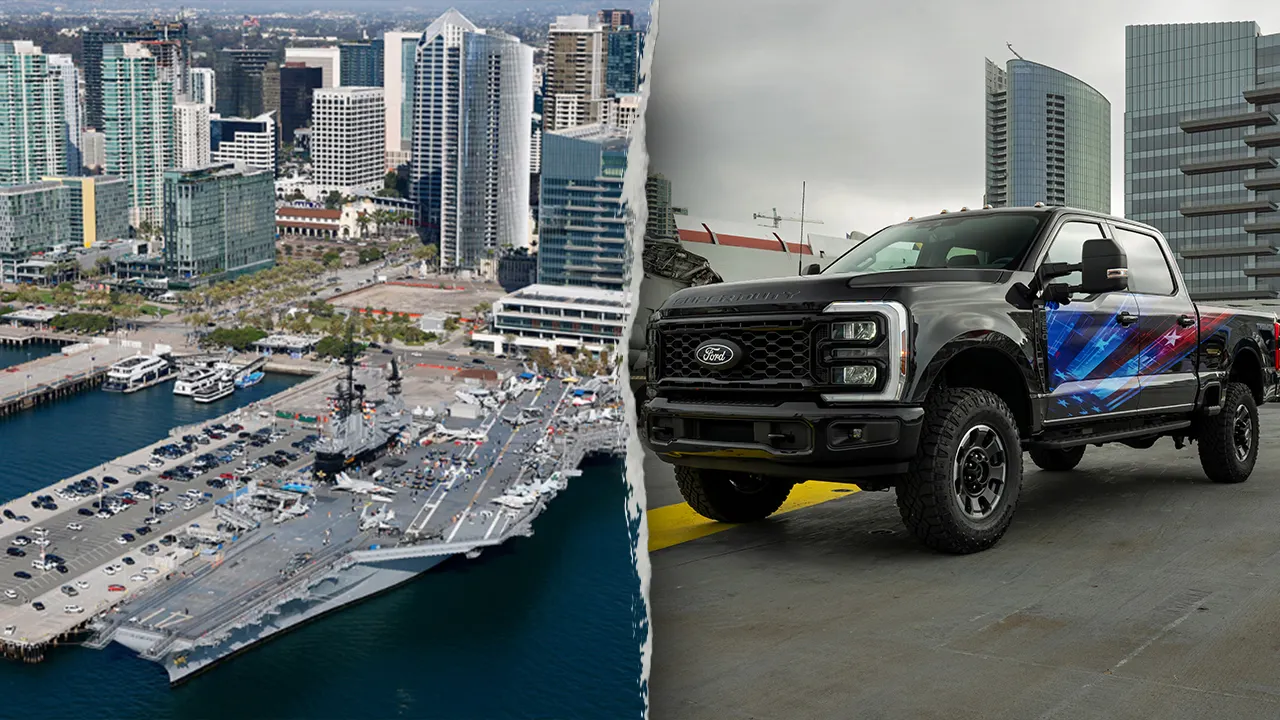
The campaign’s unveiling, a high-profile event held aboard the USS Midway in San Diego, featured actor and Marine Corps veteran Rob Riggle, Blue Star Families, and the Zac Brown Band, attracting over 1,500 members of the local military community. Such events are not just PR opportunities but carefully orchestrated brand activations designed to generate authentic engagement and positive media coverage, resonating deeply with a target demographic known for its strong patriotic values and affinity for American-made products.
Nick Ford, director of corporate strategy at Ford Motor Company and the great-great-grandson of Henry Ford, underscored the automaker’s enduring commitment to military support, positioning it as a foundational aspect of the company’s ethos. “From day one, supporting the military community has been a huge priority for us,” Nick Ford stated. “… We have always tried to show up for our country and for those who serve.” This historical narrative is a valuable asset, reinforcing Ford’s legacy as an American icon and creating a compelling emotional connection that can translate into sustained consumer loyalty, particularly in the highly competitive truck segment where brand heritage plays a crucial role.
At the core of the campaign’s marketing strategy is the “Proud to Honor Veterans Day Classic,” set for November 11, 2026. This inaugural race will showcase Ford Mustang Dark Horse R race cars and Ford Racing drivers, providing a high-octane tribute to all six branches of the U.S. military. The event, which will also include a concert headlined by Zac Brown Band, represents a significant investment in experiential marketing. By intertwining the thrill of NASCAR with a patriotic theme, Ford aims to create a memorable brand experience that not only honors service members but also reinforces the performance and American spirit associated with the Ford brand. For investors, such events highlight Ford’s willingness to invest in unique, high-impact marketing channels that potentially offer a stronger return on engagement than traditional advertising.
Nick Ford emphasized the strategic intent behind merging the company’s racing endeavors with its military support initiatives, especially during the nation’s 250th anniversary. “It is going to be a really special day,” he noted, hinting at the long-term brand equity this synergy is expected to build. This integrated approach maximizes the impact of marketing spend, leveraging existing assets (Ford Racing) to amplify a broader corporate message.
Tim Clark, executive vice president and chief brand officer at NASCAR, reiterated the shared commitment, highlighting the natural alignment between NASCAR’s audience and military families. “Being able to put a marquee event on a holiday like that… that’s kind of core to [what] NASCAR is,” he explained. “… I think it’s a great way to bring that community together.” This partnership offers NASCAR enhanced visibility and reinforces its own brand identity as a sport deeply rooted in American culture, creating a symbiotic relationship that benefits both entities by expanding reach and deepening audience connection.
Beyond the race, Ford is making a direct sales play with the limited-edition Super Duty Proud to Honor package, available on its F-250, F-350, and F-450 models. These trucks will feature distinctive red, white, and blue styling, darkened exterior trim, and black wheels. The allocation of a portion of proceeds directly to Blue Star Families adds a philanthropic layer, making each purchase a contribution. This strategy taps into the proven market demand for special edition vehicles, which often command higher average transaction prices (ATPs) and generate increased excitement around a product line. For Ford, the Super Duty series represents a significant portion of its profits, and initiatives like this can help maintain momentum and differentiation in the fiercely competitive truck market against rivals like GM and Stellantis.
Further bolstering its corporate social responsibility efforts, Ford Philanthropy will host a Ford Driving Skills for Life program for local military teens later this week, emphasizing critical safety skills. This program extends the campaign’s impact beyond immediate sales, investing in community welfare and building goodwill that can foster multi-generational brand loyalty. Such philanthropic endeavors are increasingly critical for a company’s Environmental, Social, and Governance (ESG) profile, which is scrutinized by ethical investors and a growing segment of consumers who prioritize socially responsible brands.
This “Proud to Honor” campaign follows another significant Ford initiative tied to the nation’s 250th anniversary. Earlier this year, the Michigan-based automaker launched its “American Value. For American Values” campaign, offering employee pricing to all U.S. customers on most new 2025 and 2026 Ford and Lincoln vehicles through July 6. Together, these campaigns signal a cohesive strategic direction: to double down on Ford’s American heritage, leverage patriotic sentiment, and offer compelling value propositions to solidify its market position and appeal to a broad base of domestic consumers amidst fluctuating economic conditions and intense competition.
Market Impact:
Ford’s “Proud to Honor” campaign, combining a high-profile NASCAR race, a special edition Super Duty truck, and substantial philanthropic engagement, is a shrewd move designed to bolster brand equity, drive sales in high-margin segments, and enhance its ESG standing. In the current automotive landscape, marked by intense competition, the transition to EVs, and fluctuating consumer confidence, such initiatives can provide critical differentiation. By deeply embedding itself in American patriotism and military support, Ford aims to strengthen its connection with a loyal and affluent customer base, particularly those inclined towards trucks. This could translate into sustained demand for its profitable Super Duty line, potentially boosting average transaction prices and market share. Furthermore, the strong CSR narrative is likely to resonate positively with investors who increasingly weigh ESG factors, contributing to a favorable perception of Ford’s long-term sustainability and brand resilience, even if direct short-term stock price movements are not immediately apparent. The long-term brand affinity cultivated by these emotionally resonant campaigns could prove invaluable in navigating future market shifts and maintaining a competitive edge.