
Cousins Maine Lobster co-founder Jim Tselikis discusses navigating inflation and higher food and fuel costs as the company surpasses $1B in systemwide sales. He also outlines the brand’s retail expansion and new product lineup.
Key Takeaways:
- **Significant Financial Strain for Specialty Producer:** The multi-state E. coli recall of Sierra Nevada Graziers raw milk cheeses represents a severe operational and financial challenge for a specialty food manufacturer, impacting revenue, brand equity, and potentially long-term viability.
- **Erosion of Consumer Trust in Premium Niche:** This incident directly threatens consumer confidence in the rapidly growing raw milk and grass-fed cheese segments, potentially leading to widespread shifts in purchasing behavior and increased scrutiny of food safety standards across the organic and specialty food market.
- **Heightened Regulatory Scrutiny and Industry-Wide Implications:** The FDA’s ongoing investigation and the widespread nature of the outbreak could trigger more rigorous regulatory oversight, increased compliance costs for producers, and influence insurance premiums for the broader food manufacturing sector.
A significant food safety incident has rocked the specialty cheese market, as a recall has been issued for raw milk cheese following a multi-state E. coli outbreak that has sickened more than a dozen individuals. This development highlights the inherent risks and substantial financial ramifications for producers operating in premium, niche food segments, particularly those involving raw ingredients.
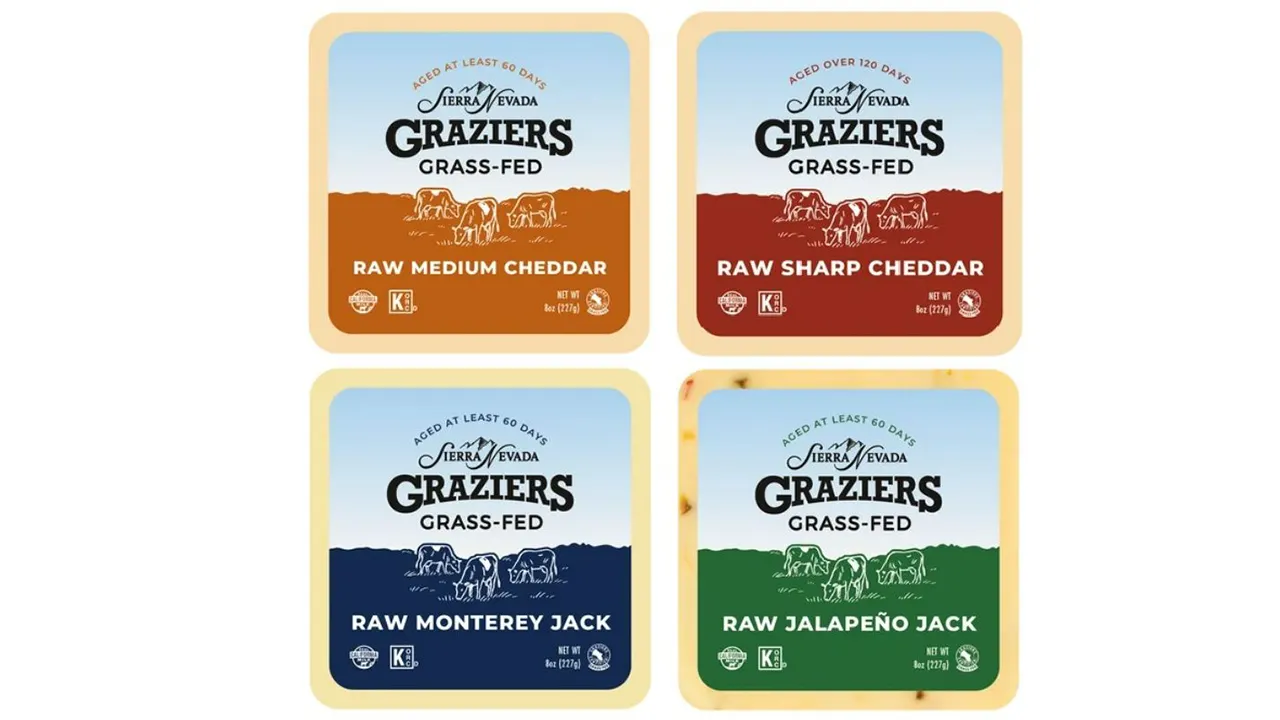
The recalled products, under the Sierra Nevada Graziers brand, include grass-fed raw milk cheeses such as medium cheddar, sharp cheddar, jalapeño jack, and Monterey jack, distributed in 8-oz or 16-oz retail packages. For a company like Sierra Nevada Cheese Company, LCC, a producer likely catering to discerning consumers willing to pay a premium for specific attributes like “grass-fed” and “raw milk,” such a widespread recall carries a disproportionately heavy burden compared to larger, more diversified food conglomerates.
So far, 13 people across several states have been sickened, with a troubling eight hospitalizations reported. The last onset of symptoms was recorded on August 26. Each hospitalization represents not just a public health crisis but a potential legal liability and a significant blow to the company’s brand equity, which is painstakingly built on trust and quality assurances. The costs associated with medical claims, potential lawsuits, and reputational damage can quickly escalate into millions of dollars, threatening the solvency of smaller enterprises.
MORE THAN 12,000 POUNDS OF BACON RECALLED AFTER USDA ISSUES HIGHEST-RISK ALERT
Recalled cheese packages are shown.(FDA / Unknown)
“The FDA and CDC, in collaboration with state and local partners, are investigating a multistate outbreak of E. coli O26:H11 infections linked to Sierra Nevada Graziers grass-fed raw milk cheese,” the U.S. Food and Drug Administration stated in its release. “FDA’s investigation is ongoing.” This ongoing investigation implies continued operational disruption, resource allocation towards compliance, and the looming possibility of further product expansions or regulatory actions.
The conclusive evidence pointing to the cheese is critical: When public health officials interviewed nine of those sickened, all confirmed consuming Sierra Nevada Graziers grass-fed raw milk cheese within the preceding week. This direct link simplifies the investigative process but intensifies the pressure on the manufacturer, demanding immediate and costly corrective actions. The financial implications extend beyond the direct recall costs to potential loss of retail accounts, damaged relationships with distributors, and the prohibitive expense of rebuilding consumer confidence.
FDA WIDENS CYCLOSPORA OUTBREAK INVESTIGATION TO SIX MORE STATES AS CONFIRMED CASES TOP 6,000
The Sierra Nevada Cheese Company, LCC, has voluntarily issued the recall and is actively collaborating with the FDA. While a voluntary recall is often a strategic move to mitigate future legal penalties and demonstrate corporate responsibility, it doesn’t alleviate the immediate financial burden. This includes the logistical nightmare of identifying, retrieving, and disposing of affected product from retailers and consumers across multiple states—California, Nevada (three cases each), Oregon, Utah, Colorado, Michigan, Kentucky, Tennessee, and Georgia (one case each)—each adding layers of complexity and cost to the recall process.
The FDA’s stern directive — “Do not eat, sell, or serve recalled Sierra Nevada Graziers grass-fed raw milk cheeses” — underscores the severity of the threat. Furthermore, the agency’s warning about the product’s long shelf life and the need for thorough refrigeration checks means the financial tail of this recall could be extended for months, continuing to drain resources for customer service, public relations, and potential litigation defense. For retailers, this means not only lost sales from the recalled product but also the operational cost of managing returns, updating inventory systems, and potentially losing customer traffic due to safety concerns.
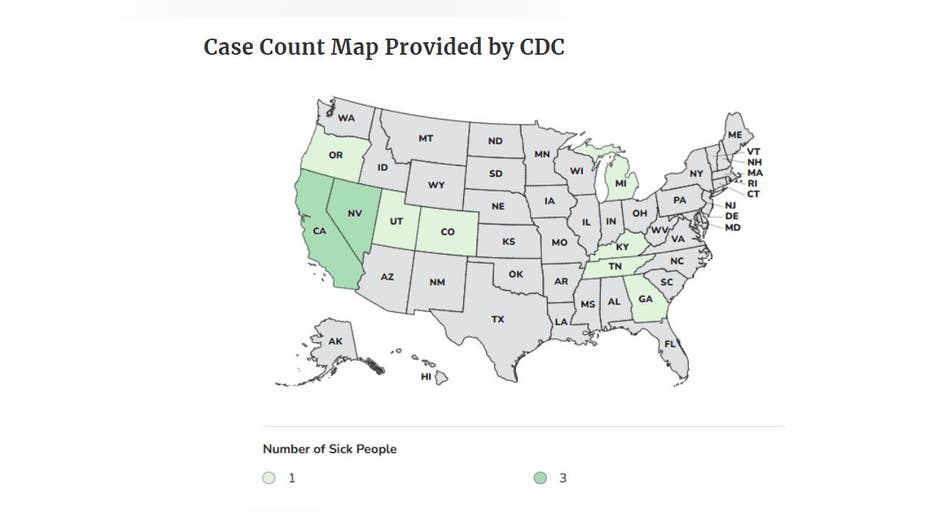
An E. coli case map.(FDA / Unknown)
The FDA’s continued investigation into the source of contamination and the potential for other affected products introduces an element of uncertainty that can significantly impact a company’s financial planning and market valuation. The cost of enhanced testing, facility upgrades, and supply chain audits in the wake of such an event can be substantial. Consumers who purchased the cheese are advised to not only dispose of it or seek a refund but also to sanitize any surfaces or containers the cheese touched, implying a broader public health campaign that the manufacturer indirectly supports through brand damage control.
WHITE HOUSE ADDRESSES GROWING PARASITE OUTBREAK AFTER MORE THAN 400 AMERICANS SICKENED
E. coli symptoms, which can manifest up to nine days after consumption, include severe stomach cramps, diarrhea, fever, and nausea. In the most severe cases, it can lead to life-threatening conditions such as chronic kidney disease, kidney failure, and high blood pressure. These severe health outcomes escalate the potential legal exposure for Sierra Nevada Cheese Company, raising the specter of class-action lawsuits and substantial compensatory damages. The long-term health implications for affected individuals translate directly into long-term financial risk for the company, potentially impacting its ability to secure future financing or even maintain existing credit lines.
MYSTERY PARASITE LEAVES AMERICANS BATTLING ‘EXPLOSIVE’ ILLNESS AS CDC INVESTIGATES
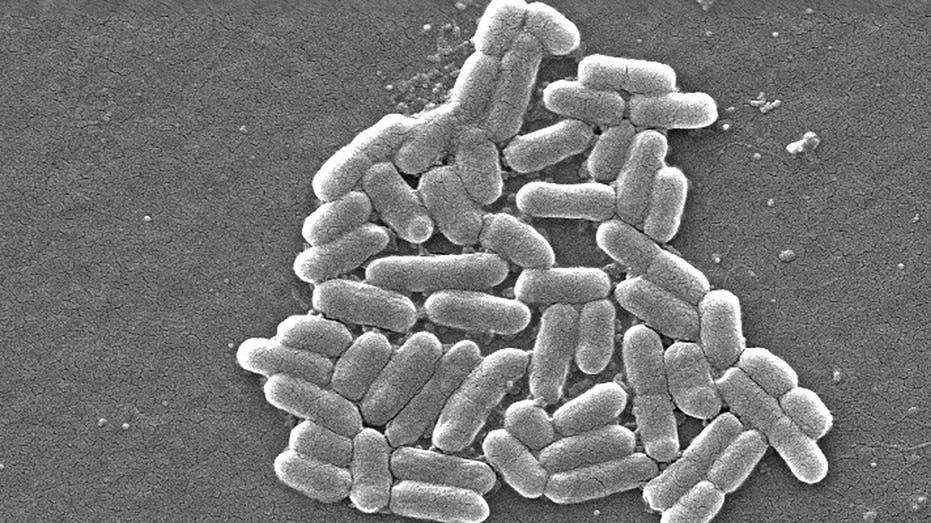
Number of Gram-negative Escherichia coli bacteria of the strain O157:H7, revealed in the 6836x magnified scanning electron microscopic (SEM) image, 2006. Image courtesy Centers for Disease Control (CDC) / National Escherichia, Shigella, Vibrio Refere(Smith Collection/Gado/Getty Images / Getty Images)
CLICK HERE TO DOWNLOAD THE FOX NEWS APP
Market Impact:
The E. coli outbreak and subsequent recall of Sierra Nevada Graziers raw milk cheese reverberates across the specialty food market, creating significant ripple effects for producers, retailers, and consumers. For Sierra Nevada Cheese Company, the immediate impact is a substantial loss of revenue, depletion of cash reserves for recall logistics, and a severe blow to its brand equity, potentially jeopardizing its long-term viability and ability to compete in a crowded market. Investors in the broader dairy and specialty food sectors may react with increased caution, scrutinizing the food safety protocols of similar companies. Consumer confidence in premium, “natural,” and raw food products, a rapidly expanding segment often commanding higher price points, is likely to be shaken, potentially leading to a shift in purchasing habits towards more processed or conventionally produced alternatives in the short to medium term. Furthermore, the incident could prompt heightened regulatory oversight from the FDA, leading to increased compliance costs, more frequent inspections, and potentially stricter standards for raw milk products across the industry. This could pressure profit margins for other specialty producers and influence insurance premiums for food manufacturers, making robust food safety infrastructure not just a matter of public health, but a critical component of financial risk management and market competitiveness.