
Meta’s new AI agent Muse partners with Instacart for grocery shopping. The ‘Varney & Co.’ panel discusses the technology’s capabilities, human concierge testing and why some investment strategists are still not buying Meta stock.
Key Takeaways for Investors:
- Strategic Consolidation:DoorDash’s potential acquisition of Instacart signals a critical phase of consolidation in the fiercely competitive last-mile delivery sector, as platforms seek scale and diversification beyond core restaurant delivery into the higher-value grocery market.
- Mixed Market Reaction:DoorDash’s stock dip reflects investor concerns over potential acquisition premium, integration risks, and the impact on profitability in a capital-intensive industry, while Instacart’s surge highlights the significant valuation uplift for its shareholders amidst a challenging public market debut.
- Future of Delivery:The move underscores the growing importance of advanced technology, including AI partnerships like Instacart’s Muse, in enhancing customer experience and operational efficiency, thereby increasing the strategic value of comprehensive delivery platforms capable of integrating such innovations at scale.
In a significant development poised to reshape the digital delivery landscape, DoorDash (NYSE: DASH) is reportedly in advanced discussions to acquire grocery delivery stalwart Instacart (NASDAQ: CART). The potential deal, rumored to value Instacart at approximately $17 billion, represents a bold strategic maneuver by DoorDash to solidify its dominance and diversify its revenue streams in an increasingly competitive market. An agreement could be formalized as early as this week, though market observers caution that negotiations remain fluid and a definitive deal is not guaranteed, according to reports from The Wall Street Journal.
The immediate reaction from investors painted a clear picture of divergent expectations. Instacart’s shares, which began trading publicly in September 2023, climbed approximately 8% following the news, reflecting the substantial premium over its pre-report valuation of roughly $13 billion and offering a potential lifeline to early investors. Conversely, DoorDash’s stock experienced a decline of approximately 6%, signaling investor apprehension regarding the financial implications of such a large acquisition, including potential dilution, integration challenges, and the sustained pressure on profitability within the last-mile delivery sector.
DOORDASH’S NEW AD TOOLS COULD CHANGE HOW RESTAURANTS COMPETE FOR CUSTOMERS
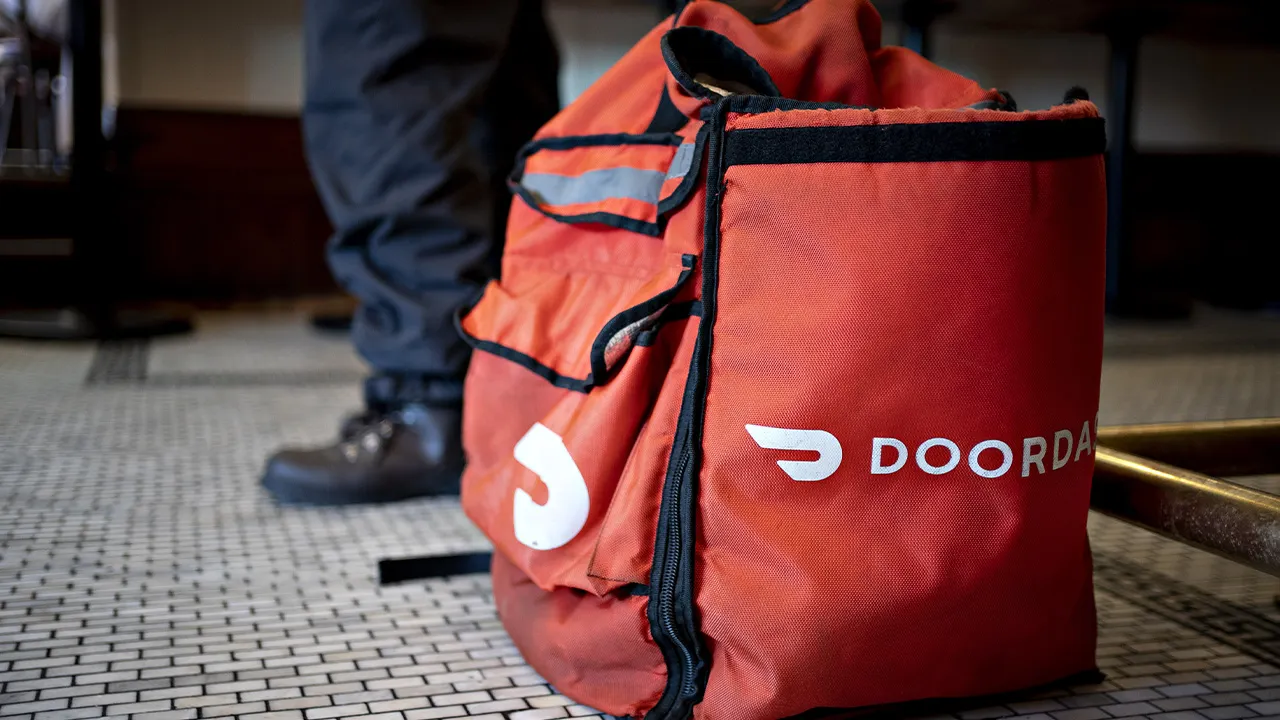
DoorDash is reportedly in advanced talks to acquire food delivery company Instacart.(Andrew Harrer/Bloomberg via Getty Images)
DoorDash, with a market capitalization around $73 billion, has consistently articulated ambitions to evolve beyond its origins in restaurant delivery to become a comprehensive local commerce platform. The acquisition of Instacart would significantly accelerate this strategic imperative, granting DoorDash an immediate, substantial foothold in the burgeoning and highly lucrative grocery delivery market. This segment offers higher average order values (AOVs) and the potential for greater customer stickiness compared to the often lower-margin restaurant delivery business, making it a crucial battleground for growth.
The timing of these talks is particularly telling. Instacart has navigated a challenging period since its public offering, with its stock experiencing volatility amidst broader market skepticism about gig economy valuations and intense competition. The company had previously explored a sale in 2021, underscoring the long-standing pressures in the sector. Competition has only intensified since then, with retail giants like Walmart (NYSE: WMT) through Walmart+ and Amazon (NASDAQ: AMZN) with Amazon Fresh and Whole Foods, expanding their sophisticated delivery ecosystems. These vertically integrated players pose a formidable challenge to pure-play delivery services by leveraging existing infrastructure and deep customer relationships, often at lower costs.
INSTACART AGREES TO $60M CONSUMER REFUNDS AFTER FTC ACCUSES COMPANY OF HIDDEN FEES AND FORCED SUBSCRIPTIONS
Instacart stock climbed about 8% Monday, while DoorDash shares dropped roughly 6%.(Cheng Xin/Getty Images)
DoorDash’s pursuit of Instacart is consistent with its aggressive M&A strategy aimed at global expansion and market diversification. The company completed its acquisition of British food delivery company Deliveroo in 2025 (following court approval), a move that expanded its global footprint across several international markets. Prior to that, in 2022, DoorDash successfully acquired Finnish delivery company Wolt in an all-stock transaction, which further broadened its presence to 27 countries at the time. These acquisitions highlight DoorDash’s strategy of acquiring established regional leaders to accelerate growth rather than building from scratch, a common playbook in highly competitive tech sectors.
The potential integration of Instacart’s extensive grocery network, including its partnerships with over 1,500 national and regional grocers, and its sophisticated AI-driven shopping technology, presents significant opportunities for DoorDash. The earlier news regarding Meta’s new AI agent Muse partnering with Instacart for grocery shopping offers a glimpse into the future of automated, personalized commerce. Such advanced technological capabilities are becoming indispensable for maintaining a competitive edge, enhancing customer experience, and improving operational efficiencies in the complex logistics of last-mile delivery. A combined DoorDash-Instacart entity would be better positioned to invest in and deploy these cutting-edge technologies, potentially setting new industry standards for convenience and personalization.
INSTACART’S AI PRICING EXPERIMENT DRIVES UP COSTS FOR SOME SHOPPERS, STUDY SAYS
The acquisition would give DoorDash a larger foothold in the grocery delivery market as it continues expanding beyond its roots in restaurant delivery.(Jakub Porzycki/NurPhoto via Getty Images)
From a financial perspective, a $17 billion acquisition would be a substantial undertaking for DoorDash. While the exact financing structure remains undisclosed, such a deal could involve a mix of cash, stock, and potentially new debt, which would impact DoorDash’s balance sheet and could lead to shareholder dilution if a significant portion is paid in stock. Investors will be scrutinizing the projected synergies, cost savings, and long-term revenue growth estimates to justify the hefty price tag. The challenge for DoorDash will be to demonstrate that the combined entity can achieve profitability faster and more sustainably than either company could independently, especially given the persistent margin pressures inherent in the gig economy model.
The last-mile delivery sector is characterized by high operational costs, intense competition for drivers and customers, and continuous investment in technology and marketing. An acquisition of this magnitude reflects a belief that scale and diversified service offerings are the keys to unlocking sustainable profitability. By integrating Instacart, DoorDash aims to create a “super app” for local commerce, offering everything from restaurant meals to groceries and potentially other retail goods, thereby increasing user engagement, frequency of orders, and ultimately, customer lifetime value.
GET FOX BUSINESS ON THE GO BY CLICKING HERE
DoorDash and Instacart could not immediately be reached by FOX Business for comment, as per the original report, underscoring the sensitivity and ongoing nature of these high-stakes negotiations.
Market Impact:
Should the DoorDash-Instacart deal materialize, it would significantly alter the competitive dynamics of the online delivery market. It signals an accelerated trend towards consolidation, suggesting that smaller, niche players may face increased pressure to either specialize or be acquired. For consumers, this could mean fewer choices in the long run but potentially more integrated and efficient services from the dominant players. Investors will closely watch DoorDash’s ability to seamlessly integrate Instacart’s operations, realize anticipated synergies, and ultimately translate increased market share into improved profitability. The transaction’s success or failure will likely influence future M&A activity in the tech and logistics sectors, particularly for companies operating in capital-intensive, low-margin segments where scale is paramount to survival and growth.