
Fox News real estate contributor Katrina Campins joins ‘Varney & Co.’ to discuss Florida’s housing boom, the blue state wealth exodus and why soaring luxury demand is pricing out first-time homebuyers.
Key Takeaways
- Sun Belt Dominance & Migration Dynamics:Florida’s housing market, particularly its new construction segment, is experiencing unprecedented demand driven by out-of-state migration, reflecting a broader demographic and economic shift from high-cost “blue states” to more affordable Sun Belt regions.
- Builder Incentives Drive Sales:Amidst higher interest rates and a competitive market, builders are leveraging strategic incentives like mortgage rate buydowns and closing cost assistance to attract buyers, effectively mitigating affordability challenges and moving inventory.
- Affordability vs. Luxury:While luxury demand continues to surge, the core driver for out-of-metro buyers in markets like Lakeland and Cape Coral remains relative affordability, though this influx simultaneously risks pricing out local first-time homebuyers.
Florida continues to assert its dominance as a prime destination for new home construction, attracting an overwhelming influx of out-of-town buyers. A recent Realtor.com report highlights this trend, revealing that out-of-metro shoppers account for over 80% of new-construction views in several of the state’s burgeoning metropolitan areas. This surge is not merely a regional curiosity but a significant indicator of ongoing inter-state migration patterns, shifting economic landscapes, and evolving real estate investment strategies in the face of persistent inflationary pressures and elevated interest rates.
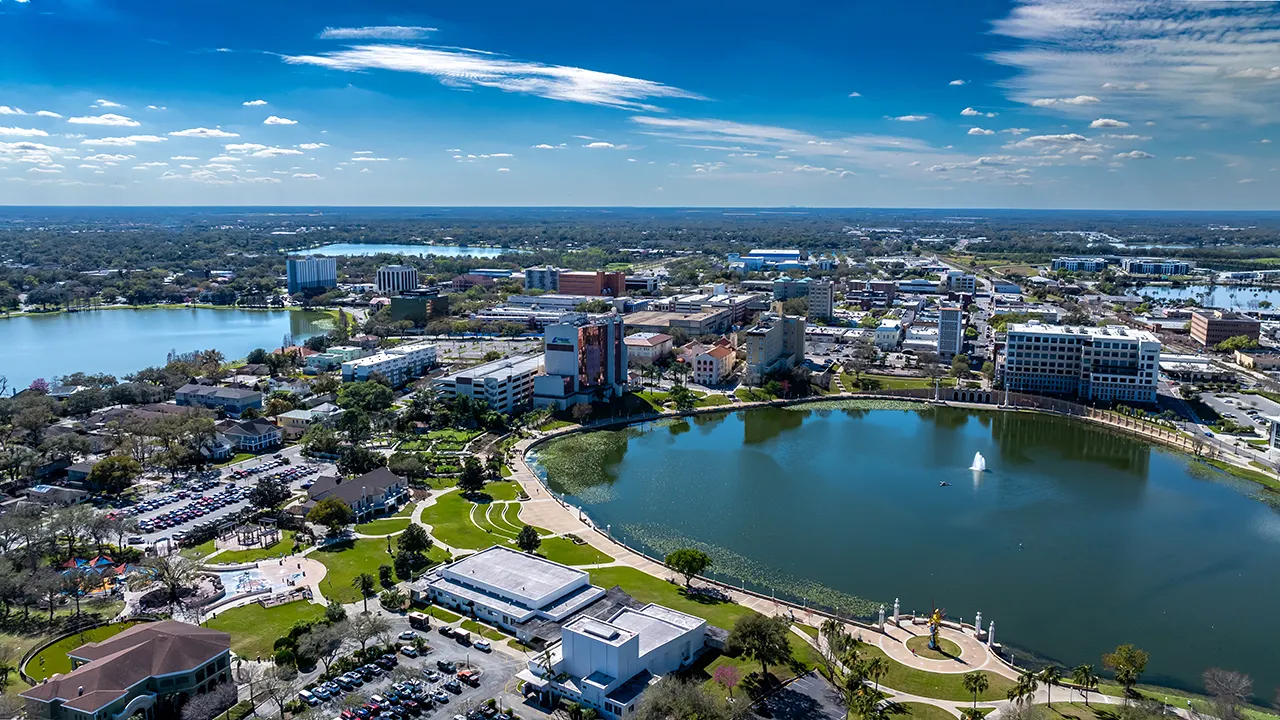
Lakeland, a central Florida hub, led the nation with an astounding 83% of new-construction views originating from outside its metro area during the second quarter. Close behind were Cape Coral (82.4%), Port St. Lucie (80.9%), and North Port (80.5%), underscoring a concentrated demand in Florida’s more accessible, often coastal-adjacent, markets. Nationwide, the trend is robust, with 67.2% of new-construction listing views coming from out-of-metro shoppers, significantly higher than the 65.4% for existing-home listings, suggesting a growing preference for new builds.
Beyond Florida, Durham, North Carolina, rounded out the top five at 80.2%, with other Sun Belt cities like Deltona, Florida; Charleston and Greenville, South Carolina; and Augusta, Georgia, also witnessing strong interest. Even Stockton, California, made the list, reflecting localized affordability plays within generally expensive states.
Joel Berner, a senior economist at Realtor.com, points to competitive pricing in these metros as a primary draw. “The new builds are competitively priced in these metros, so out-of-metro buyers who maybe did not necessarily have new construction in mind find lots of new builds that fall into their price filters,” Berner stated. This affordability, coupled with the allure of the Sun Belt lifestyle, forms a powerful economic proposition for buyers looking to maximize their purchasing power, often migrating from higher-cost, higher-tax states.
Out-of-town shoppers accounted for more than 83% of new-construction views in Lakeland, Florida.(iStock)
The stark difference in median new-construction listing prices illustrates this market dynamic. Lakeland’s median new-construction listing price stood at $315,821 in the second quarter, a stark contrast to Miami’s $1,946,685. This nearly six-fold price differential makes the decision for buyers in high-cost urban centers like Miami, Orlando, and Tampa to look towards Lakeland economically rational. Similarly, Cape Coral’s appeal extends to shoppers from major metropolitan areas such as Miami, New York City, and Chicago, where median home prices can be several multiples higher.
This “blue state wealth exodus,” as some analysts term it, is a critical macro-economic trend. States like Florida, Texas, and the Carolinas benefit from an influx of residents and capital, often from California, New York, and Illinois, driven by factors like lower taxes, less stringent regulations, and a perceived better quality of life. This migration not only fuels housing demand but also contributes to job growth, infrastructure development, and overall economic expansion in the receiving regions, while potentially straining public services and infrastructure in the long run.
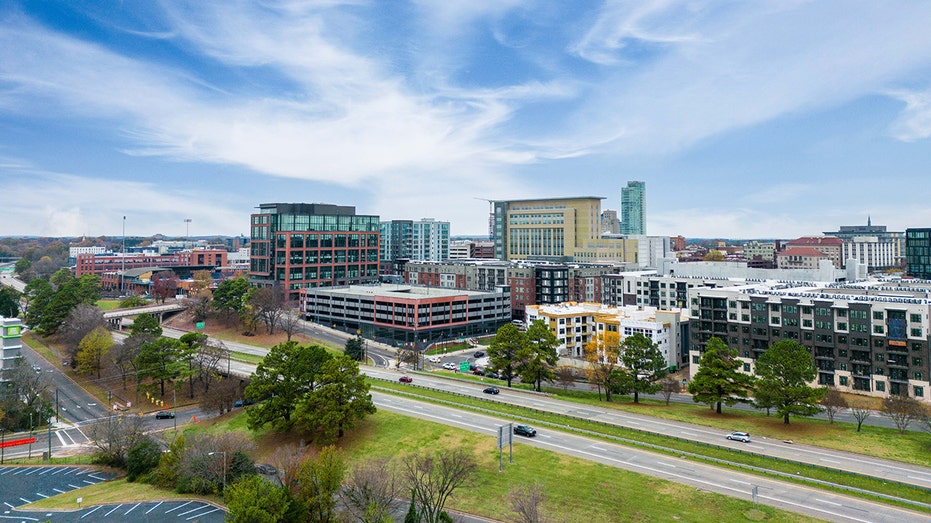
Durham, North Carolina, rounded out the top five at 80.2%.(iStock)
A significant factor accelerating new construction sales in the current interest rate environment is the strategic use of builder incentives. Brian Stephens, a real estate agent with eXp Realty in Lakeland, highlighted that builders are actively luring buyers with closing-cost assistance and mortgage-rate buydowns. These incentives are crucial in a market where the Federal Reserve’s aggressive rate hikes have pushed mortgage rates significantly higher, dampening overall housing affordability. A rate buydown, where the builder effectively pays a portion of the interest rate for a period, can significantly reduce a buyer’s monthly mortgage payment, making a new home purchase more financially feasible than an existing home, especially when competing against higher prevailing rates.
Stephens elaborated, “They have slightly more inventory, and they offer to pay for the buyers’ closing costs and even buy the interest rate down. Why purchase a resale when you can purchase a new home and get a warranty and everything is brand-new?” This sentiment perfectly encapsulates the market leverage new home builders are currently exercising. With more flexible inventory compared to the tight supply of existing homes, builders can strategically adjust pricing or offer concessions that individual sellers often cannot. This dynamic allows builders to maintain sales velocity and clear inventory despite broader market headwinds, which is vital for their financial health and continued investment in new projects.
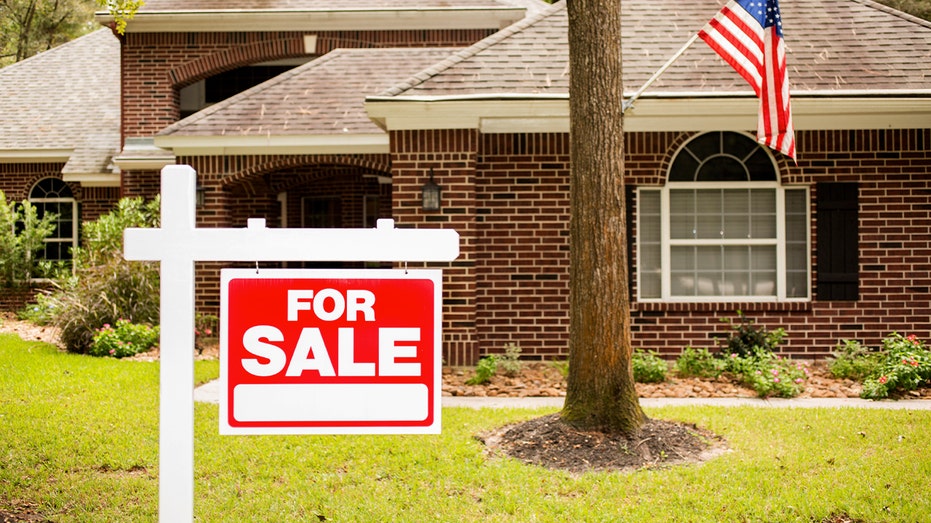
Affordability and the Sun Belt lifestyle are among the major factors driving out-of-market interest in those areas.(iStock/Getty Images Plus)
These incentives are becoming increasingly paramount as builders nationwide navigate a more challenging sales environment. Nationally, the median asking price for a newly built home was $450,256 during the second quarter, a marginal 0.1% decrease from a year earlier, according to Realtor.com. While this suggests a stabilization in new home prices after years of rapid appreciation, the underlying costs for materials and labor remain elevated. Builders are thus employing these financial incentives as a primary tool to bridge the affordability gap created by higher mortgage rates, rather than significantly slashing list prices, which could impact their profit margins and future project viability.
Market Impact
The sustained influx of out-of-town buyers into Florida and other Sun Belt states for new construction has profound market implications. It signals a continued geographical rebalancing of wealth and population, which will reshape local economies, tax bases, and infrastructure demands. For the housing market, this trend underscores the resilience of new construction in attracting demand, particularly when builders are proactive with incentives. It also highlights the widening disparity between high-cost coastal markets and more affordable inland or southern regions. While this migration provides economic stimulus to recipient states, it also poses challenges, including potential localized overheating of housing markets, increased strain on public services, and the risk of pricing out long-term residents and first-time homebuyers. Investors in real estate, mortgage-backed securities, and construction-related industries will need to closely monitor these demographic shifts, builder strategies, and local government responses to fully capitalize on opportunities and mitigate risks in these dynamic housing markets.
GET FOX BUSINESS ON THE GO BY CLICKING HERE