
Fuel Costs Surge: A Midterm Election Barometer Amidst Broader Market Volatility
Key Takeaways
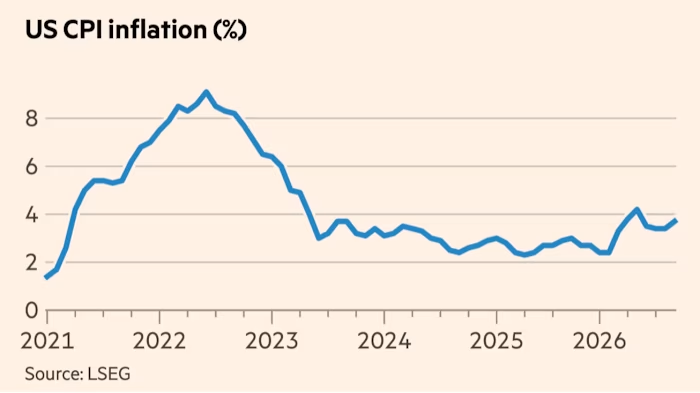
- **Inflationary Pressure Amplified:** The current rebound in fuel costs is not merely a political talking point but a critical component of broader inflationary pressures, directly impacting consumer purchasing power and shaping the Federal Reserve’s monetary policy outlook.
- **Geopolitical & Supply Undercurrents:** Underlying the price surge are complex global dynamics, including OPEC+ supply decisions, ongoing geopolitical tensions (e.g., in Eastern Europe and the Middle East), and fluctuating global demand, making energy markets inherently volatile and unpredictable.
- **Political Ramifications & Policy Risk:** With midterm elections looming, high fuel prices translate into significant political pressure, increasing the likelihood of government intervention—ranging from strategic petroleum reserve releases to potential tax holidays—which could introduce further short-term market distortions and policy uncertainty.
The re-emergence of surging fuel costs is once again casting a long shadow over the economic landscape, intensifying pressure on households and becoming an undeniable flashpoint in the lead-up to critical midterm elections. This isn’t just about the price at the pump; it’s a multi-faceted issue with profound implications for inflation, consumer spending, corporate profitability, and the very direction of fiscal and monetary policy. For financial markets, the trajectory of crude oil and its refined products serves as a critical barometer, signaling shifts in global supply-demand dynamics, geopolitical stability, and the resilience of the consumer.
At its core, the current rebound in fuel prices is a significant contributor to the broader inflationary narrative that has gripped major economies. Gasoline and diesel prices directly feed into the Consumer Price Index (CPI), acting as a highly visible, daily “tax” on consumers. This direct impact on household budgets is immediate and palpable; every extra dollar spent on fuel is a dollar less available for discretionary spending, savings, or other essential goods and services. This erosion of purchasing power can quickly dampen consumer confidence, a vital driver of economic growth, and often leads to a recalibration of spending habits that ripples through the retail, leisure, and travel sectors.
Beyond the direct hit to consumers, elevated fuel costs propagate throughout the economy via the supply chain. Transportation is the lifeblood of commerce, and when the cost of moving goods increases, businesses across nearly every sector feel the pinch. From agricultural products needing to reach markets to manufactured goods being delivered to warehouses and stores, higher diesel prices translate into increased operational costs. These costs are often passed on to consumers in the form of higher prices for finished goods, further exacerbating inflationary pressures and contributing to a potential wage-price spiral if workers demand higher wages to offset their increased cost of living. This phenomenon complicates the Federal Reserve’s mandate, forcing a careful balance between taming inflation and avoiding a severe economic slowdown.
The market context underpinning this rebound is complex and multifaceted. On the supply side, decisions by OPEC+ nations regarding production quotas play a pivotal role. Any curtailment of supply, whether voluntary or due to geopolitical instability, can send crude oil benchmarks like Brent and WTI higher. Geopolitical events, such as conflicts in major oil-producing regions or disruptions to critical shipping lanes, introduce significant risk premiums into oil prices. Furthermore, the pace of global demand recovery, particularly from large economies like China, heavily influences consumption forecasts. Refinery capacity, often overlooked, is another crucial factor; even with ample crude, insufficient refining capabilities can lead to bottlenecks and higher prices for gasoline and diesel.
The strategic petroleum reserve (SPR) also enters the equation. Governments, particularly in the U.S., have previously tapped into their reserves to cool prices, but this is a finite tool with diminishing returns. The debate around future SPR releases and the long-term strategy for energy security adds another layer of uncertainty for market participants. Investors constantly weigh these factors, factoring in the potential for sudden supply shocks or demand contractions, which can lead to rapid price swings and increased volatility in energy futures markets.
From a political perspective, the timing of this fuel cost surge, ahead of midterm elections, is particularly potent. Gasoline prices are often seen as a direct report card on the economic stewardship of the incumbent party. High prices at the pump can galvanize voter dissatisfaction and become a central theme in political campaigns, forcing candidates to address the issue directly. This can lead to calls for various forms of government intervention, such as temporary fuel tax holidays, consumer rebates, or increased pressure on domestic oil producers to boost output. While some of these measures might offer short-term relief to consumers, they can also create distortions in market pricing and potentially undermine long-term energy policy goals, such as the transition to renewable energy sources.
For investors, the political rhetoric and potential policy responses introduce a layer of regulatory risk. Energy sector stocks, particularly refiners and upstream producers, might see their valuations influenced by the perceived likelihood of new taxes, subsidies, or production mandates. Companies heavily reliant on transportation, such as airlines, logistics firms, and retailers, will face margin compression, which could impact their earnings outlooks and stock performance. Conversely, segments of the renewable energy sector might see renewed interest if the political climate shifts towards accelerating the transition away from fossil fuels, although this is a longer-term trend typically less impacted by immediate fuel price fluctuations.
The interplay between rising fuel costs, inflation, and political cycles creates a challenging environment for central banks. If energy prices remain elevated, or continue to climb, it could necessitate a more aggressive stance on interest rate hikes to quell persistent inflation, even if it risks dampening economic growth further. The specter of “stagflation” – a period of high inflation coupled with slow economic growth and high unemployment – looms larger when energy costs become a sustained inflationary driver. This sensitivity means that market participants will be scrutinizing every piece of economic data, from CPI reports to consumer confidence surveys, with heightened attention to the energy component.
Market Impact
The sustained rebound in fuel costs has a multi-pronged impact across financial markets. **Energy stocks**, particularly upstream exploration and production companies and refiners, typically benefit from higher commodity prices, seeing improved revenue and profit margins, though this can be tempered by policy risks. Conversely, **consumer discretionary sectors**, including retail, airlines, and automotive, face significant headwinds as elevated fuel prices erode consumer purchasing power and increase operational costs, potentially leading to margin compression and weakened sales forecasts. **Logistics and transportation companies** are directly impacted by higher diesel costs, which can either be passed through to clients or absorbed, affecting profitability. In the broader market, persistent energy inflation fuels **bond market volatility**, pushing Treasury yields higher as investors demand greater compensation for inflation risk, and forcing central banks to maintain hawkish stances. This can lead to a more cautious sentiment in **equity markets**, particularly growth stocks sensitive to rising interest rates. Finally, potential government interventions, such as SPR releases or fuel tax holidays, while offering temporary consumer relief, introduce **policy uncertainty** that can create short-term market dislocations and influence investment decisions within the energy complex.