
This article’s audio content is presented to you by the Air & Space Forces Association, commemorating and assisting our Airmen, Guardians, and their families. Discover additional information at afa.org
AURORA, Colo.—The Air Force’s Future Aerial Refueling System might evolve into a suite of interconnected platforms with varied functionalities, the acting chief of Air Mobility Command stated on Feb. 24, as she advocates for an assertive, comprehensive strategy for aerial refueler upgrade.
During a press conference at AFA’s 2026 Warfare Symposium, Lt. Gen. Rebecca J. Sonkiss argued that current missions such as Midnight Hammer, an operation targeting Iranian nuclear sites, have underscored the critical importance of the air-to-air replenishment fleet for aerial missions. Consequently, this has drawn attention to the advanced years of the Air Force’s refueler fleet
“It is unacceptable to have a 90-year old tanker replenishing a B-21,” Sonkiss remarked, alluding to the KC-135 that originates from the Eisenhower administration. “When one performs the arithmetic, with the culmination of equipment programs, such is the actual situation. I cannot countenance that. The tanker contingent must be recapitalized.”
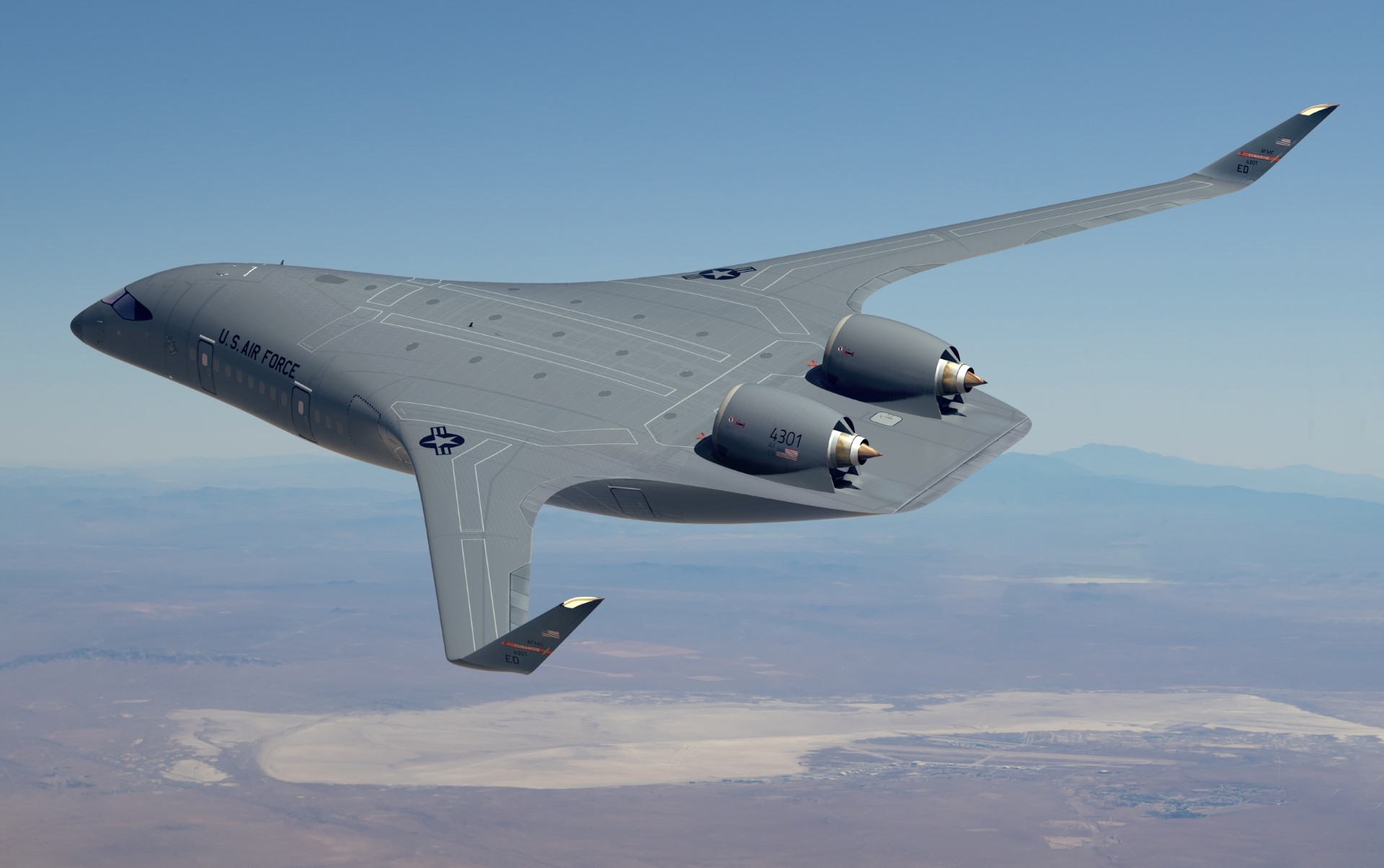
NGAS has traditionally been viewed as the apex of that renewal endeavor. Nonetheless, few aspects of the program have been firmed up. Sonkiss’ predecessor, Gen. Johnny Lamontagne, informed journalists last autumn that “nearly all possibilities are under consideration,” according to DefenseScoop, encompassing a low-observable aircraft design, a modified corporate aircraft, an integrated wing-fuselage design, or potentially an autonomous variant.
AMC continues to undertake market studies to solicit feedback from the sector, and at least one prospective rival, Northrop Grumman, appears to have adopted a comprehensive, multifaceted strategy.
Last week, Aviation Week conveyed that Northrop is proposing a tripartite “suite of systems” notion to the Air Force for NGAS that comprises a more substantial, integrated wing-body aerial refueler, an intermediate-sized refueler, and a compact, unmanned replenishment aircraft.
For her part, Sonkiss continues to consider all possibilities for AMC. “Is NGAS a suite of systems? Potentially,” she remarked.
The response to such inquiries will hinge upon the Air Force’s determination regarding the extent to which it intends to deploy the NGAS refueler into disputed aerial zones and whether this can be achieved through low-observable features or alternative technological solutions.
Nevertheless, NGAS constitutes merely one component of the broader challenge, Sonkiss implied. Among the Air Force’s 500 refuelers, approximately 375 consist of KC-135s. The branch presently intends to acquire a cumulative figure of approximately 260 KC-46 Pegasus refuelers following its decision last July to procure an additional 75 units. However, this still results in a deficiency in operational capability should the KC-135 be decommissioned.
“[NGAS is] a segment of the overall refueler fleet upgrade; it is not the entirety of the effort,” she stated. “At this moment, we are progressing well with the KC-46 program and the procurement of 75 extra refuelers. Yet, the effort cannot cease at this point. I must persist. I am obligated to continue the modernization of the aerial refueler fleet.”
This article’s audio content is presented to you by the Air & Space Forces Association, commemorating and assisting our Airmen, Guardians, and their families. Discover additional information at afa.org