
Increased Russian Air Activity Near UK Northern Approaches Signals Elevated Geopolitical Tensions
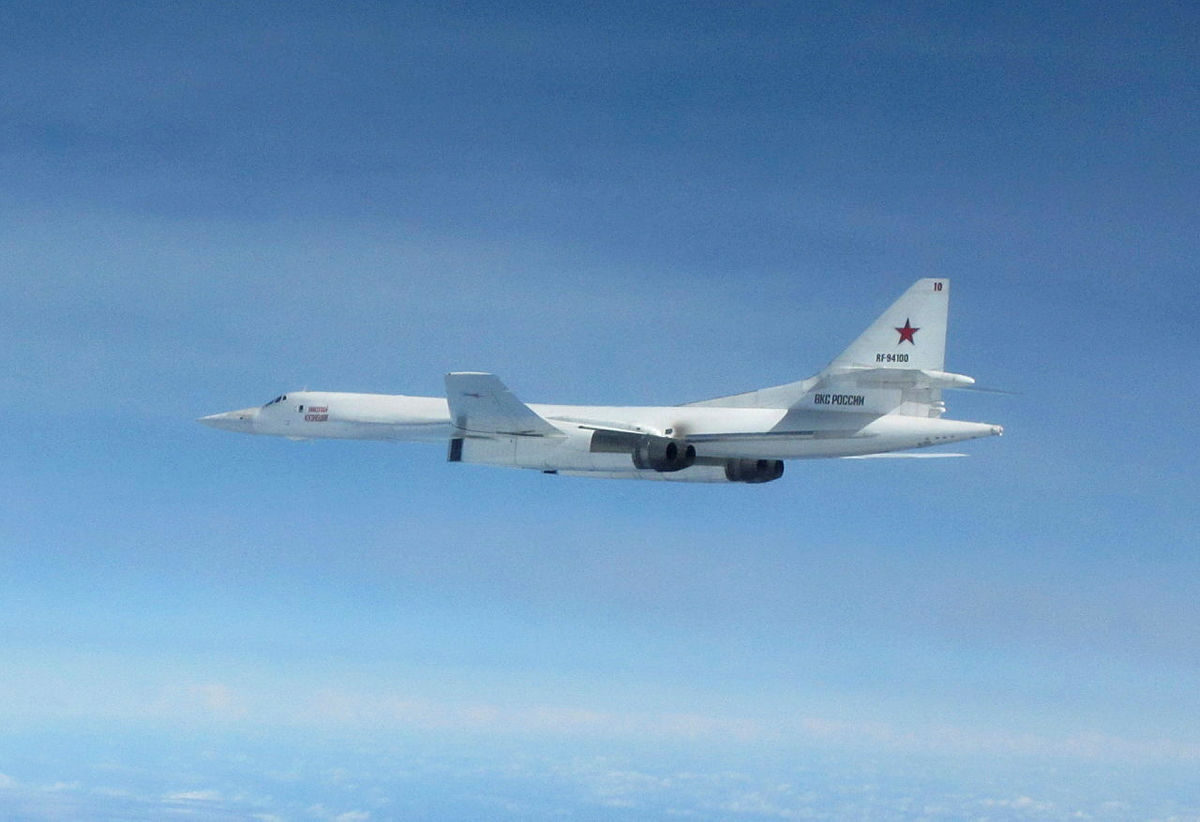
In the early months of 2026, Russia has reportedly matched the total number of long-range military aircraft sorties towards the United Kingdom’s northern approaches observed throughout the entirety of 2025. This significant uptick in activity was highlighted by the head of the UK armed forces, General Sir Richard Knighton, Chief of the Defence Staff (CDS), in an interview with BBC Radio 4’s Today programme on June 5, 2026, as reported by the BBC.
Sir Richard specifically noted, “Closer to home we have seen in 2026 more long-range aviation from Russia. These are strategic aircraft that will go well into our own airspace. We’ve seen as many in 2026 as in 2025.” The “airspace” he referred to, according to the BBC’s account, primarily encompasses the High North—a critical strategic region that includes the Arctic Circle and its adjacent areas. This region is increasingly vital for international shipping routes, resource extraction, and military positioning.
The Royal Air Force (RAF) maintains a standing air defence posture, routinely scrambling fighter jets to intercept and shadow Russian aircraft operating in international airspace near UK Flight Information Regions or approaching sovereign UK airspace. These intercepts are a standard procedure to identify foreign military aircraft, assert sovereign airspace rights, and monitor any potential threats. The strategic nature of the Russian aircraft, often identified as bombers or reconnaissance planes, implies a capability for long-duration missions and the potential to carry advanced weaponry.
Sir Richard’s comments were made within the broader context of a stark warning regarding the evolving threat landscape facing the United Kingdom. He described the current period as “the most dangerous period that I have known,” underscoring that the risks and threats to the nation are greater than at any time since the end of the Cold War. This assessment signals a profound shift in the security environment, necessitating a re-evaluation of national priorities and societal understanding.
The CDS elaborated on the multifaceted nature of these threats, stating that Russia has been actively “probing, challenging and testing” the UK’s defences. This aggressive posture, he warned, is “raising the stakes in ways that risked crossing a line.” The methods of this probing, Sir Richard indicated, extend far beyond conventional military maneuvers. They encompass a spectrum of hybrid warfare tactics, including sophisticated cyberattacks targeting critical infrastructure and government systems, acts of sabotage against key installations or networks, and even assassination attempts on foreign soil, a reference likely alluding to past incidents attributed to Russian state actors.
The continuous monitoring and interception of Russian long-range aviation by the RAF form a crucial component of the UK’s national security apparatus. These operations, often conducted by quick reaction alert (QRA) Typhoon jets, serve not only to safeguard UK airspace but also to gather intelligence on Russian military capabilities and operational patterns. The frequency and persistence of these flights underscore a deliberate strategy by Moscow to project power, test Western responses, and potentially gather intelligence on defensive capabilities in key strategic areas such as the Arctic and the North Atlantic. The CDS’s remarks highlight the pressing need for the UK and its allies to maintain a high state of readiness and to adapt to an increasingly complex and unpredictable global security environment.
Why This Matters
The reported increase in Russian long-range military flights near the UK’s northern approaches, as articulated by the Chief of the Defence Staff, carries significant geopolitical and domestic implications. This trend is not merely a statistical anomaly but a clear indicator of elevated tensions and a more assertive Russian foreign and military policy, particularly in the context of ongoing global instability and the conflict in Ukraine.
Firstly, the intensified air activity serves as a critical barometer of the current geopolitical climate. Russia’s actions are widely interpreted as a deliberate strategy to test the readiness and resolve of NATO members, including the UK, to project power, and to signal dissatisfaction with the existing international order. These flights, especially by strategic aircraft capable of carrying nuclear weapons, are a form of political signaling designed to unnerve adversaries and assert Russia’s status as a major military power. The fact that the frequency of these encounters has escalated to match a full year’s activity in just a few months suggests a sustained and perhaps more aggressive pattern of operations.
Secondly, the focus on the High North and Arctic Circle highlights the growing strategic importance of this region. Climate change is opening new shipping lanes and access to vast natural resources, making the Arctic a new frontier for geopolitical competition. Russia has significantly re-militarized its Arctic territories, establishing new bases and upgrading existing ones. Increased air patrols in this area could be an attempt to assert dominance over potential future trade routes or resource claims, challenging the sovereignty and influence of Arctic coastal states and other nations operating in the region.
Thirdly, Sir Richard Knighton’s assertion that this is “the most dangerous period” since the Cold War demands serious attention. This assessment from the highest military authority underscores a fundamental shift in the security paradigm. It implies that the nature and scope of threats have broadened significantly beyond conventional warfare, encompassing cyber warfare, disinformation campaigns, sabotage, and state-sponsored assassination attempts. This “hybrid threat” approach aims to destabilize nations from within, erode public trust, and undermine critical infrastructure without necessarily triggering a direct military conflict. For the UK, this necessitates a comprehensive national security strategy that integrates military defence with cyber security, intelligence, and civil resilience.
Finally, the CDS’s call for society to “recognise and understand” these threats, potentially leading to “different choices and priorities,” has profound domestic implications. It suggests that the scale of the challenge may require increased defence spending, a refocusing of national resources, and potentially even societal adjustments to enhance resilience. Public awareness and support are crucial for legitimizing such policy shifts and ensuring national cohesion in the face of persistent external pressures. The continuous need for the RAF to intercept these flights also places a significant operational and financial burden on the UK’s armed forces, requiring ongoing investment in personnel, equipment, and training to maintain readiness and capability against a sophisticated adversary.