
Standing NATO Maritime Group One Enhances Allied Maritime Security and Critical Infrastructure Protection
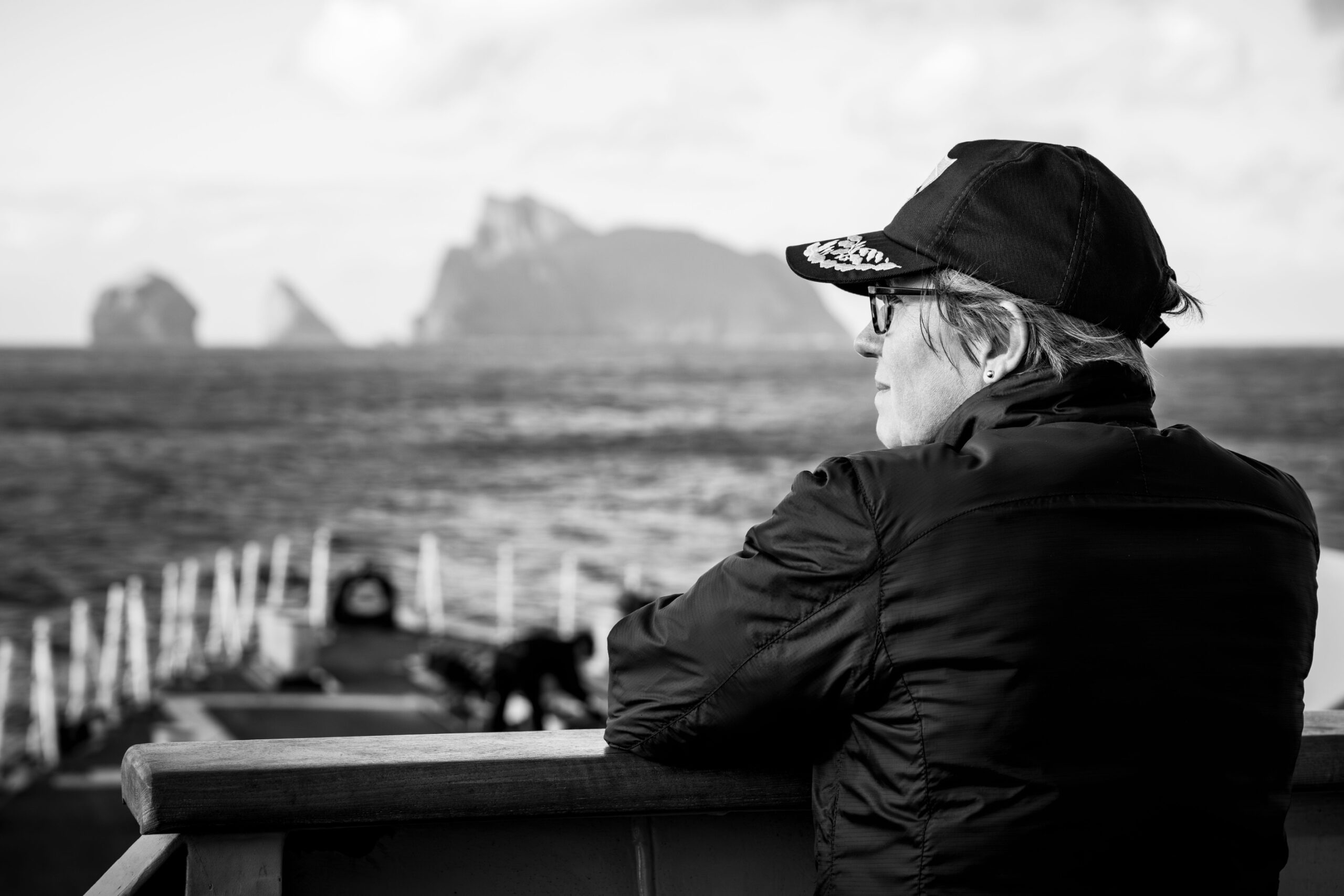
Commodore Maryla Ingham of the Royal Navy currently commands Standing NATO Maritime Group One (SNMG1), a multinational task force. Speaking from her flagship at sea, Commodore Ingham provided insights into the group’s extensive operations, focusing on the protection of undersea cables, interactions with the Russian Navy, and the effective integration of diverse NATO personnel.
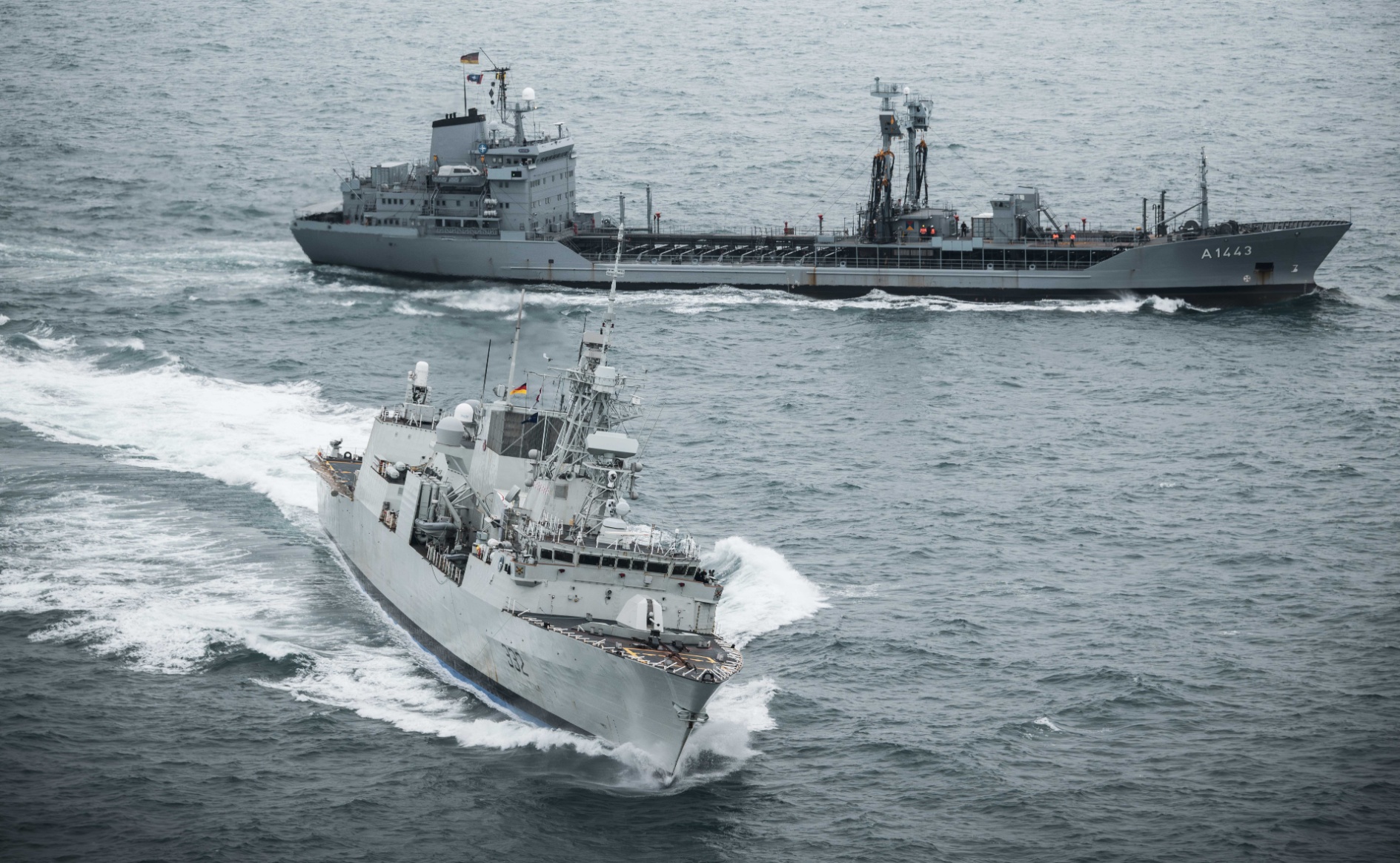
Recently, SNMG1 components conducted port visits to Glasgow. The Norwegian frigate HNoMS Fridtjof Nansen and the Canadian frigate HMCS Ville de Québec, with its embarked Cyclone helicopter, berthed at King George V Dock. The German fleet tanker FGS Rhön had arrived earlier at Inchgreen. These visits served as brief pauses in a demanding operational schedule.
By the time an interview with Commodore Ingham took place, the ships had resumed their duties at sea. Ingham, taking the call from her flagship amidst a gunnery exercise, described the high operational tempo since she assumed command in April.
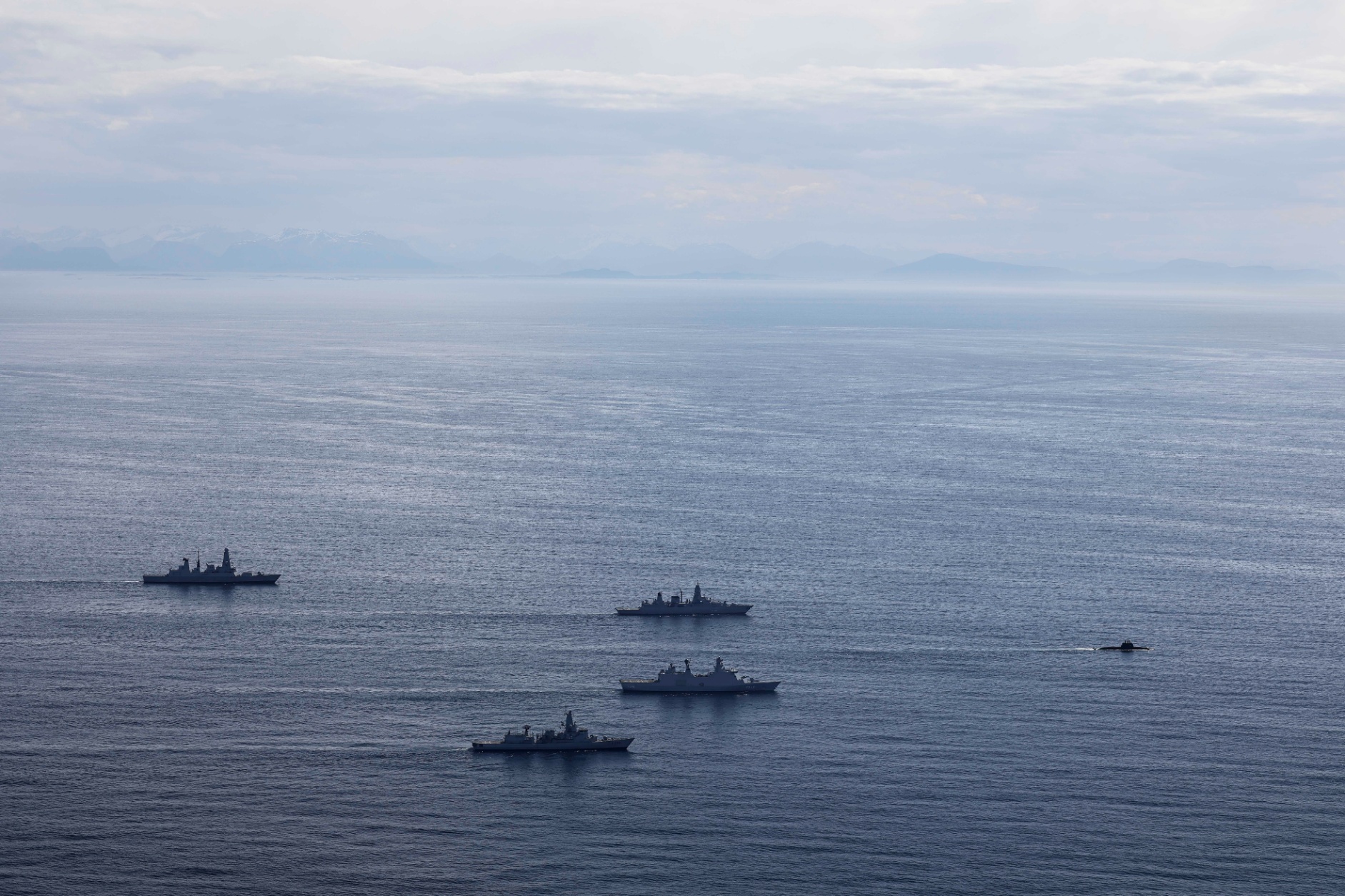
“We started off in April, going straight into enhanced vigilance activity, Baltic Sentry, which is to protect critical underwater infrastructure, and we were there for about a month,” she stated. Following this, the group moved off Norway to lead Exercise Dynamic Mongoose 26, a significant multinational anti-submarine warfare (ASW) exercise involving three live submarines, five maritime patrol aircraft (MPAs), and numerous surface vessels.
After a brief stop in the UK, SNMG1 undertook an Atlantic crossing. The group participated in FLEETEX 250, a US Second Fleet-led exercise that at one point involved ten ships. Subsequently, SNMG1 joined the International Naval Review in New York, marking the 250th anniversary of the United States Navy. The current phase involves integration into the Commander Task Force Atlantic activation, led by a Spanish two-star on behalf of SACEUR, with Neptune Strike running through it.
Commodore Ingham highlighted the significance of Neptune Strike, noting that it represents the first time multinational forces have practiced command and control across sea, air, and underwater domains. Glasgow served as a logistical and personnel pause before the group returned to sea for gunnery drills and presence operations in the High North, where they will continue to operate until the force handover.
Reducing Reaction Time in the Baltic
Among SNMG1’s missions this year, the work in the Baltic Sea under Operation Baltic Sentry holds particular relevance for broader security and economic stability. Launched in response to incidents affecting critical seabed infrastructure such as cables and pipelines, the operation has transitioned from an initial response to a routine but vital security measure.
Commodore Ingham confirmed that Baltic Sentry has significantly improved regional security. She reported a substantial reduction in reaction time to critical underwater incidents, from approximately 17 hours to just one hour. This improvement is attributed to enhanced situational awareness and structural changes within NATO’s command. A two-star coordinating headquarters, CTF Baltic, is now established in Rostock, providing daily surveillance across the Baltic Sea, which straddles two NATO areas of responsibility. This headquarters ensures coherent operations across these boundaries.
The geopolitical landscape of the Baltic Sea further facilitates these operations. With all nations bordering the Baltic Sea, with the exception of Russia, now being NATO members, cooperation among neighbors has intensified. This includes new members Finland and Sweden, as well as the Baltic states. Ingham expressed confidence that very little occurs in the Baltic without NATO’s awareness.
Regarding interactions with the Russian Navy, Commodore Ingham described them as consistently “safe and professional,” acknowledging that both NATO and Russian vessels operate in international waters. The primary objective of Baltic Sentry, she reiterated, is the protection of critical underwater infrastructure, which underpins the economies of the Baltic nations and the wider region.
The operation is a testament to broader NATO solidarity, with contributions from non-Baltic nations such as the UK, France, Spain, and Turkey. Ingham emphasized that participation is open to all NATO members. She particularly highlighted improved coordination, noting a shift from a fragmented response to a more sensible and efficient utilization of assets. Furthermore, NATO’s collective resources provide a numerical advantage in terms of available ships compared to the Russian Federation.
Baltic Sentry is a multi-domain operation, integrating surface and subsurface assets with maritime patrol aircraft, and dovetailing with Eastern Sentry and Baltic air policing. This comprehensive approach ensures surveillance and response capabilities across air, surface, and underwater environments. The maturity of this arrangement is evident in Ingham’s ability to effectively manage two theaters simultaneously; even while her flagship was in the Atlantic, SNMG1 units remained under the operational control of the Rostock headquarters in the Baltic, receiving overarching support from her task group command.
Seamless Multinational Operations
Commodore Ingham, a Royal Navy officer, leads a British battle staff. The flagship for SNMG1 has rotated, operating for three months from the German frigate FGS Sachsen before shifting to a Canadian ship during a port visit to Halifax earlier this month. This dynamic demonstrates NATO’s commitment to interoperability and the seamless integration of forces from different nations.
Ingham explained that out of NATO’s 32 nations, over 25 are maritime nations, all operating under common tactics, techniques, and procedures. This standardization ensures that operating on another nation’s ship is “really, really seamless.” English serves as the standard working language, further facilitating multinational cooperation. The ability to integrate and switch flagships demonstrates the alliance’s operational flexibility and readiness.
Why This Matters
The operations of Standing NATO Maritime Group One (SNMG1) under Commodore Maryla Ingham are critically important for several interconnected reasons that extend beyond military strategy to global economic stability and international security.
Firstly, **Protection of Critical Undersea Infrastructure** is paramount. Submarine cables carry over 95% of the world’s internet traffic and a substantial portion of global financial transactions. Undersea pipelines transport vital energy resources. Damage or disruption to this infrastructure, whether accidental or malicious, could have catastrophic economic and societal consequences worldwide, impacting communication, commerce, and energy supply. SNMG1’s focused efforts, particularly Baltic Sentry, highlight NATO’s recognition of this vulnerability and its commitment to safeguarding these essential lifelines, effectively reducing reaction times to incidents from 17 hours to just one hour.
Secondly, these operations underscore **NATO’s Collective Defense and Deterrence Capabilities**. By conducting enhanced vigilance activities, anti-submarine warfare exercises like Dynamic Mongoose, and complex command-and-control demonstrations like Neptune Strike, SNMG1 projects a visible and capable presence. This presence acts as a deterrent against potential aggression or hybrid threats, particularly from state actors who might seek to exploit vulnerabilities in international waters or critical infrastructure. The consistent monitoring of the Baltic Sea, a strategically vital region, reinforces this deterrent posture.
Thirdly, the extensive multinational participation and rotational command structure exemplify **NATO’s Cohesion and Interoperability**. The ability of naval forces from diverse nations (Norway, Canada, Germany, UK, France, Spain, Turkey, and others) to operate seamlessly, share intelligence, and maintain common procedures is a cornerstone of the alliance’s strength. This interoperability ensures that in a crisis, NATO can assemble and deploy a unified, effective force rapidly, regardless of the national origin of individual assets or personnel. Commodore Ingham’s experience commanding from different national flagships illustrates this practical integration.
Finally, SNMG1’s activities demonstrate **Adaptation to Evolving Threats and Multi-Domain Warfare**. Modern threats are not confined to traditional battlefields; they extend into the cyber realm, outer space, and critical infrastructure. The emphasis on multi-domain operations (sea, air, and underwater) and the establishment of coordinating headquarters like CTF Baltic reflect NATO’s proactive approach to counter these complex and interconnected challenges. The alliance is not merely reacting but is actively shaping a more secure environment through enhanced situational awareness and coordinated response mechanisms, thereby ensuring global stability in an increasingly complex geopolitical landscape.
NATO Navies Showcase Deepening Interoperability and Shared Values in Complex Global Environment
NATO naval forces are demonstrating advanced levels of interoperability and cohesion across their diverse member states, underscoring the alliance’s operational strength and foundational values. A senior naval commander, identified as Ingham, highlighted the seamless integration of forces, equipment, and procedures, which enables rapid and effective collective defense and deterrence.
The operational effectiveness of NATO’s maritime component hinges significantly on its extensive standardization. This standardization ensures that naval assets from different nations can operate as a single, unified force. A prime example cited is the common fueling protocols. “Any NATO ship can fuel off any NATO tanker,” Ingham explained, illustrating how British, American, and German vessels routinely refuel each other using identical fittings and procedures. This practice is not limited to ships within the same task group; vessels passing by can also utilize these shared resources, exemplified by a German tanker that had recently refueled HMS Somerset in the Channel before joining its current task group.
The alliance continuously invests in modern assets that enhance these capabilities. Ingham specifically praised the new Dutch replenishment ship, HNLMS Den Helder, which was commissioned in April and has already provided crucial support, including fueling American naval assets during a recent deployment in the western Atlantic. Such vessels are vital to sustaining continuous operations across vast maritime areas.
Diverse Expertise and Collaborative Strength
The strength of NATO’s naval forces is further amplified by the specialized expertise that each of its 32 member nations contributes, regardless of the size of their navy. Ingham emphasized that “everybody brings something to the party.” For instance, Belgian forces are renowned for their mine-hunting capabilities, while Norwegian navies possess invaluable knowledge of Arctic ice and weather conditions. Canadian forces contribute strong anti-submarine warfare skills and cold-water operational experience, and Polish naval units are experts in the unique challenges of the Baltic Sea.
This deep level of cooperation is fostered by years of shared deployments and exercises, creating a profound familiarity among allied personnel. As an illustration, the German tanker currently supporting Ingham’s group has deployed with Standing NATO Maritime Group One (SNMG1) in each of the last eight years, leading to a natural ease and efficiency in joint operations.
The Human Dimension: Shared Brotherhood and Cultural Exchange
Beyond the technical and tactical aspects, the human element forms a critical foundation of NATO’s cohesion. Despite being away from home for extended periods and comprising individuals from numerous countries, a strong sense of camaraderie, described as a “brotherhood slash sisterhood of the sea,” binds the sailors together. Ingham noted that spending time with international counterparts often reveals universal values and standards among alliance members. These shared principles are directly linked to the NATO treaty’s founding themes of individual liberties, human rights, and the rule of law.
Membership in the alliance offers unique opportunities for personnel. A young 20-year-old sailor from Thunder Bay, Ontario, who had never seen the ocean until two years prior, experienced his first visit outside North America in Glasgow. His parents reportedly viewed his naval service as an unparalleled opportunity, and his school friends, initially skeptical, grew “really jealous” upon hearing of his international experiences, which included attending a football match in Glasgow facilitated by local hospitality.
Cultural exchange is also a routine part of life at sea. Ingham observed practices such as the Dutch navy holding an Indonesian lunch every Wednesday. Furthermore, sailors are frequently “cross-decked” between ships of different navies, allowing them to observe diverse operational practices. While these experiences often confirm that fundamental naval operations are similar across nations, they also highlight minor, enjoyable differences, such as varied culinary traditions.
Deterrence, Legitimacy, and Reassurance: NATO’s Core Objectives
Ingham articulated the fundamental objectives guiding NATO’s operations, emphasizing a multi-faceted approach to security:
- Deterrence:The alliance’s primary goal remains deterrence, preventing aggression through a credible collective defense posture. The recent accessions of Sweden and Finland are cited as clear evidence of NATO’s continuing relevance as a deterrent force.
- Economic Security:For maritime nations, the security of sea lanes is paramount. Ingham highlighted that 95% of national imports, including 50% of food and 97% of internet data, travel by sea. The protection of these vital maritime arteries is fundamental to modern economies and ways of life, supporting everything from banking transactions to entertainment.
- Values-Based Defense:The alliance’s actions are underpinned by a commitment to principles such as fairness, support for self-determination, and the rule of law, aligning with the core values of many member states. These principles extend to international situations, such as the conflict in Ukraine, where the belief in nations choosing their own leaders is central.
- Legitimacy:NATO operations are strictly conducted under international law. Rigorous rules of engagement govern self-defense, and adherence to maritime law, including international rules for preventing collisions at sea, is consistently maintained. This commitment to legal frameworks ensures the alliance’s actions are perceived as legitimate on the global stage.
- Reassurance:The continuous presence of NATO forces, including those on the eastern flank and high-readiness maritime forces under SACEUR (Supreme Allied Commander Europe), provides reassurance to member states. This constant vigilance, including national continuous at-sea nuclear deterrents, allows populations to “sleep better at night” knowing their interests are defended.
- Cohesion and Diplomacy:While acknowledging that a 32-nation alliance will inevitably face internal disagreements, Ingham stressed that these are managed through robust diplomatic processes. The understanding that “international diplomacy is not dead” and that military solutions are often extensions of political processes (as articulated by Clausewitz) guides the alliance. NATO’s specialist mariners are portrayed as professional, calm, and focused on their defensive mandate, serving to protect over a billion people without seeking conflict.
Why This Matters
The insights into NATO’s naval interoperability and strategic objectives underscore several critical aspects of global security. Firstly, the seamless operation of diverse national navies as a unified force is a testament to sophisticated planning, standardization, and long-term investment. This capability is not merely theoretical; it translates directly into the alliance’s ability to project power, deter potential adversaries, and respond effectively to crises across vast maritime domains, from the High North to the Baltic and Atlantic. In an era of escalating geopolitical tensions and increasingly complex maritime challenges, this level of integration is essential for maintaining stability and protecting vital global trade routes.
Secondly, the emphasis on shared values and the human element highlights that NATO is more than just a military alliance; it is a community bound by common democratic principles and a commitment to human rights and the rule of law. The cultural exchanges and personal development opportunities afforded to sailors foster a deeper understanding and trust between member nations, which is crucial for operational effectiveness and long-term alliance cohesion. This “brotherhood/sisterhood of the sea” reinforces the diplomatic and political ties that underpin military cooperation, making the alliance resilient to internal and external pressures.
Finally, NATO’s clear articulation of its defensive mandate—focused on deterrence, economic security through sea lane protection, and adherence to international law—reassures member states and the international community while sending a firm message to potential aggressors. The alliance’s capacity to protect critical infrastructure, such as undersea internet cables, and ensure the free flow of goods by sea directly impacts global economic stability and the daily lives of billions. In a world grappling with hybrid threats and a resurgence of great power competition, a strong, unified, and values-driven NATO maritime force remains a cornerstone of international peace and security.
Multinational Command: A Focus on Cooperation and Leadership at Sea
A veteran naval officer, identified as Commander Ingham, has recently concluded her fifth command at sea, a significant milestone marked by her first assignment leading a multinational naval staff. With 27 years of service, Commander Ingham highlighted the human element as the most rewarding aspect of her extensive career.
Reflecting on her experience, Commander Ingham emphasized, “What I enjoy is easy. The people. I have genuinely met some fantastic people, many of whom I hope I will keep in touch with.” She specifically commended the commanding officer of a German flagship, from which she operated for three months. She described this officer as “an outstanding flag captain. Not from my nation. Loyal, kind, supportive, amazing fighting spirit, great leadership.” This commendation underscores the importance of individual leadership and cross-cultural respect in complex multinational operations.
Navigating International Cooperation
A key learning experience from this multinational command, according to Commander Ingham, was recognizing that while all participating nations share overarching strategic objectives, they approach these goals with varying national sensitivities and domestic pressures. These unique national contexts sometimes necessitate bilateral discussions, yet Commander Ingham noted a consistent willingness to cooperate. “I haven’t had a single case of anybody saying no, we can’t do that. No, I won’t do that,” she stated, adding that in most situations, participating nations “came with absolutely no caveats.” This suggests a strong foundation of trust and shared commitment among the allied forces.
The practicalities of multinational cooperation extend beyond strategic objectives to more logistical and diplomatic considerations. When the naval group berths in port, for instance, tickets for official receptions are meticulously divided among the represented nations to ensure that every ambassador receives appropriate attention. In a recent visit to Glasgow, this involved German, Canadian, British, and Norwegian representatives. Such events also provide opportunities for industrial collaboration and alliance building; for example, Norwegian and Canadian personnel, whose nations are partners in the Type 26 frigate program, were able to tour the frigates under construction on the Clyde. Commander Ingham observed that their sailors expressed genuine enthusiasm about seeing the vessels they would eventually be operating.
Core Principles of Command
Commander Ingham articulated a consistent leadership philosophy that has guided her throughout her five commands. She distilled her approach into three fundamental principles: “Execute the mission. Two, keep the ship safe. Three, look after your people.” The prioritization of these principles, she explained, shifts depending on the prevailing circumstances. During her command of the ice patrol ship HMS Protector in Antarctica, for example, the extreme environmental conditions elevated the safety of her crew to the primary concern, while ensuring the physical security of the ship itself was paramount when navigating through ice.
To foster cohesion and clear communication within her force, Commander Ingham makes it a practice to personally visit every ship upon its integration into, or departure from, the task group. These visits occur both alongside the dock and again at sea, serving to personalize her leadership. “So that they can see who I am, know where their direction is coming from,” she explained. This direct engagement is crucial for maintaining morale and ensuring clarity of command in a diverse operational environment.
Operational Demands and Communication
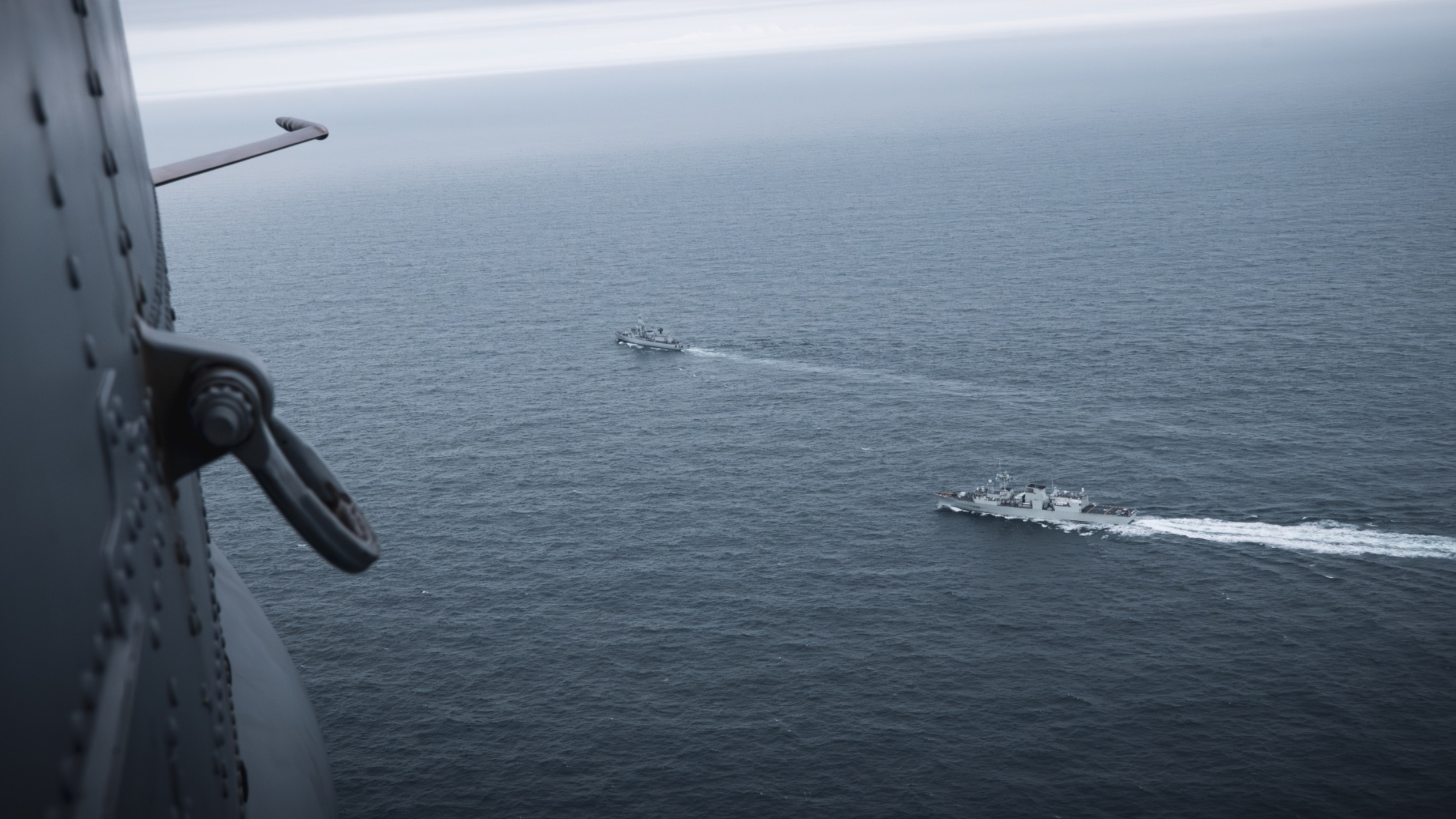
Despite the inherent complexities of multinational operations, particularly when commanding a force of up to ten ships during exercises like FLEETEX, Commander Ingham noted the remarkable efficiency with which operations were conducted. All communications were managed in plain English, and she expressed admiration for the linguistic proficiency of the crews. “All these people are doing this with English as a second language, and I have to say, the immaculate level of English amongst even the most junior sailor, fantastic,” she observed, highlighting the high standards of training and professionalism across the allied navies.
The demanding nature of naval life was further illustrated by a recent period of rough seas, which left many crew members with little sleep. Yet, as conditions improved, the force immediately resumed intense training, including gunnery exercises, a replenishment at sea, and anti-submarine warfare drills. Commander Ingham affirmed, “When we’re at sea, we work hard. But then when we get alongside, people also get to experience the really positive benefits of being in the navy.” These benefits often include cultural exchange and camaraderie during port visits. The task group is currently operating in the high north, a region of increasing strategic importance, and will continue its deployment until Commander Ingham hands over command.
Why This Matters
Commander Ingham’s experience commanding a multinational naval force provides crucial insights into the evolving landscape of global maritime security and international cooperation. This type of command is significant for several reasons:
- Enhancing Global Security and Stability:Multinational naval operations are fundamental to maintaining peace and stability on the world’s oceans. By pooling resources and expertise, allied navies can more effectively address challenges such as piracy, illicit trafficking, and regional conflicts, ensuring the free flow of commerce and protecting international waters.
- Fostering Interoperability and Alliance Building:The ability of different national navies to operate seamlessly together is paramount in modern defense. Exercises and commands like Commander Ingham’s develop vital interoperability in communication, tactics, and logistics. This strengthens existing alliances, builds trust, and allows for a coordinated response to crises, making collective defense more robust and credible.
- Developing Adaptive Leadership:Leading diverse teams with distinct national cultures, military doctrines, and domestic political contexts requires a sophisticated and adaptive style of leadership. Commander Ingham’s focus on understanding national sensitivities while maintaining a clear mission objective demonstrates a model for effective command in an increasingly interconnected global environment. Such experiences are invaluable for developing future leaders capable of navigating complex international relations.
- Promoting Professional Development and Cultural Exchange:Beyond strategic imperatives, these deployments offer unparalleled opportunities for professional growth and cultural understanding among service members. The daily interaction with colleagues from different nations, the sharing of best practices, and the exposure to diverse cultures during port visits enrich the experience of every sailor, fostering a global perspective within the military.
- Advancing Collaborative Defense Programs:The mention of the Type 26 frigate program highlights how multinational cooperation extends to technological development and procurement. Collaborative projects like these allow nations to share development costs, leverage specialized expertise, and ensure that their future naval assets are compatible, further enhancing interoperability and collective security capabilities.
- Responding to Geopolitical Realities:The deployment in the “high north” underscores the strategic importance of various geographical regions. As geopolitical interests shift, multinational naval presence in key areas like the Arctic, for example, demonstrates commitment to regional stability and allows for collective responses to emerging challenges, from environmental protection to asserting sovereign rights.
In essence, Commander Ingham’s command exemplifies the critical role of multinational naval forces in a world that increasingly demands collaborative solutions to shared security challenges. It highlights the blend of strategic foresight, diplomatic skill, and steadfast leadership required to unite diverse national assets towards common goals.