
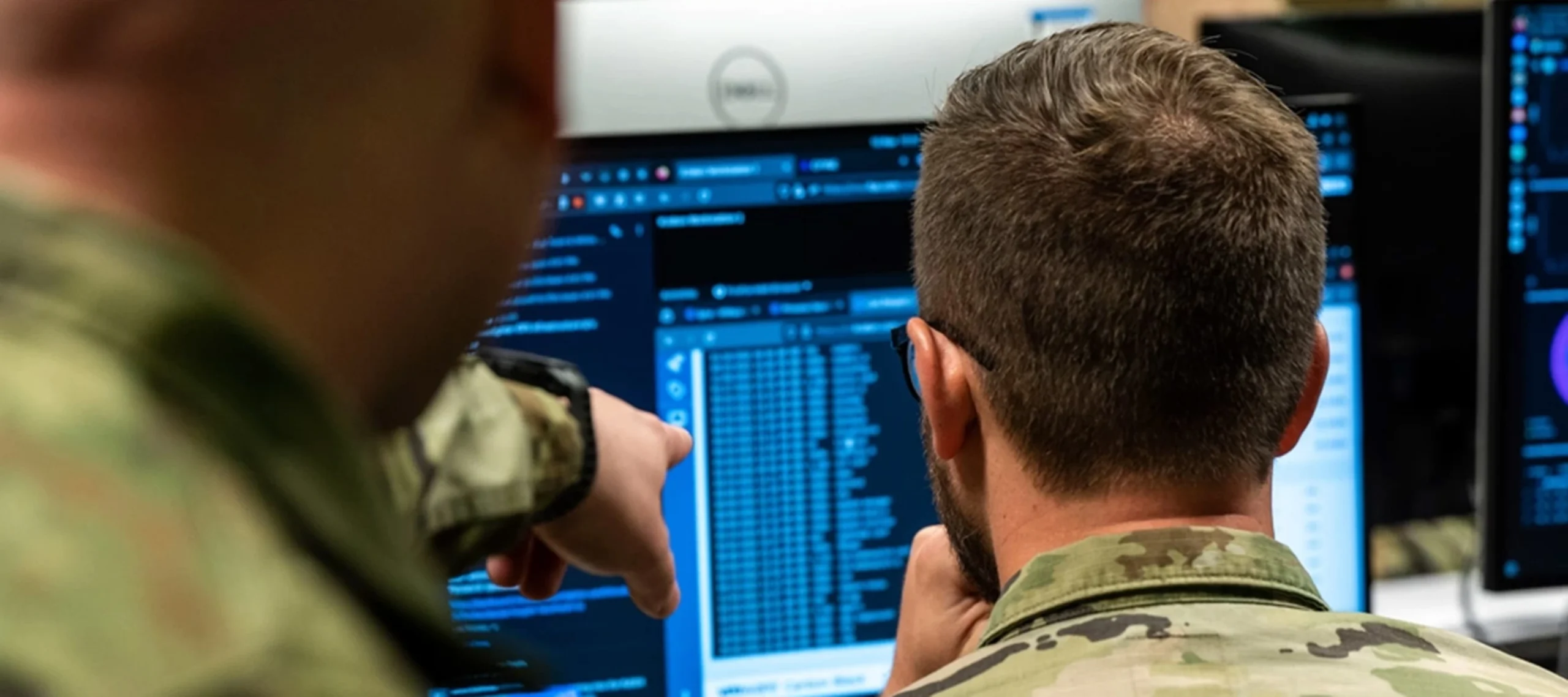
The U.S. Space Force is pioneering a novel collaborative digital environment, dubbed Project Enigma, that could fundamentally transform how the U.S. military designs, tests, and acquires advanced capabilities. This initiative, developed in partnership with General Dynamics Information Technology (GDIT), aims to streamline the complex and often protracted process of developing highly classified defense systems, beginning with critical space assets.
Since 2023, Space Systems Command (SSC), the acquisition arm of the U.S. Space Force, has been working closely with GDIT to create Project Enigma. The platform’s initial application is for the Evolved Strategic Satellite Communications (ESS) program, a vital fleet of spacecraft designed for nuclear command and control. These advanced satellites are slated to replace the aging Advanced Extremely High Frequency (AEHF) constellation, ensuring secure and resilient communications for strategic operations. Given the inherently sensitive nature and classification levels associated with the ESS program, there was a pressing need for a secure, efficient environment where the prime contractor, Boeing, and a consortium of other industry partners could collaboratively share, validate, and iterate on design proposals.
The traditional methodology for this critical design collaboration was remarkably cumbersome and outdated, often involving significant delays. Travis Dawson, GDIT’s Senior Director for Air and Space Forces, characterized the previous approach as “very ‘90s.” He explained that industry partners would typically build physical or digital models, transfer these designs onto a compact disc (CD), and then physically transmit them to government stakeholders. This process frequently led to weeks, or even months, of back-and-forth communication, revisions, and re-submissions to address design specifications, security protocols, and operational requirements.
“That process was very antiquated, obviously,” Dawson stated in an interview with Air & Space Forces Magazine. He emphasized that Project Enigma drastically reduces this extensive timeline from months to mere minutes. “Being able to stand this environment up for them has greatly increased productivity and has saved them a lot of time.” This acceleration in design review and validation is not merely an efficiency gain; it represents a significant strategic advantage in developing critical national security assets in an era of rapid technological change and evolving threats.
The Pentagon has long recognized the imperative of integrating digital engineering into its acquisition processes. For several years, defense leaders have advocated for programs to adopt digital tools, allowing for the design and rigorous testing of complex systems within virtual environments. While high-profile programs, such as the B-21 Raider stealth bomber, have successfully leveraged digital modeling to expedite development and reduce costs, the broader adoption across the Department of Defense (DoD) has been slow. A significant barrier has been the prevalent siloed nature of many program teams, with various contractors often utilizing disparate, incompatible digital tools. This fragmentation adds layers of complexity, prolongs development cycles, and inevitably increases overall program costs.
Dawson expressed optimism that platforms like Project Enigma can effectively dismantle some of these long-standing barriers, paving the way for more widespread and integrated use of digital engineering throughout the defense industrial base. GDIT recently completed a prototype of the Enigma system, and the Space Systems Command has been utilizing it operationally for several months, specifically within the ESS program. Contractors involved in the ESS development have reported significant reductions in their workloads and a marked improvement in efficiency and collaboration.
In a statement, SSC affirmed that Enigma “represents a leap in how government and industry work together.” The command highlighted the platform’s ability to foster unprecedented collaboration while maintaining the highest levels of security and compliance. “With unified access to critical platforms, stakeholders can co-develop solutions, share insights, and innovate while maintaining strict security controls and compliance at the highest classification level,” SSC’s statement elaborated. “Enigma ensures ESS capabilities are developed faster, smarter, and with high integrity, while maintaining industry-leading security.” This emphasis on both speed and integrity underscores the critical balance required in modern defense system development.
GDIT’s current prototype contract for Enigma is scheduled to conclude in November. Following this, the company anticipates transitioning to a multiyear production contract, reflecting the Space Force’s confidence in the platform’s capabilities and its long-term strategic value. Critically, Project Enigma is designed with scalability in mind, meaning the Space Force has the option to onboard additional companies, program offices, or even entire new constellations. Dawson also confirmed that other branches of the Defense Department have expressed considerable interest in the platform, although no definitive decisions have been made regarding expanding Enigma’s use beyond the Space Force.
“The government does own this,” Dawson affirmed, highlighting that the intellectual property and control of the platform reside with the U.S. government. “If they say, ‘Yes, we want to entertain supporting the Army or supporting the Navy and any of their digital engineering needs, we can certainly do that for them—as well as any of the other organizations within the Space Force.” This potential for cross-service adoption underscores Enigma’s revolutionary capacity to standardize and accelerate advanced system development across the entire U.S. military, driving greater efficiency, security, and innovation in an increasingly complex global security landscape.
Why This Matters
Project Enigma represents a significant leap forward in U.S. defense procurement and national security. By drastically shortening the design and testing phases of critical military hardware from months to minutes, it directly enhances the nation’s ability to develop and deploy advanced capabilities more rapidly in response to evolving global threats. For the Evolved Strategic Satellite Communications program, this means faster delivery of essential nuclear command and control infrastructure, underpinning strategic deterrence and national security. The platform’s emphasis on secure, collaborative digital engineering also promises substantial cost savings by reducing inefficiencies, rework, and prolonged development cycles. Furthermore, Enigma addresses a long-standing challenge within the Department of Defense: the siloed nature of development tools and processes. Should it be adopted more broadly, it could foster greater interoperability and standardization across military branches, leading to a more integrated, efficient, and technologically superior defense industrial base. In an era of accelerating technological competition with peer adversaries, the ability to innovate and field advanced systems with unprecedented speed and integrity is paramount to maintaining a strategic advantage and safeguarding global stability.