
Ukraine Proposes Enhanced Defence Technology Cooperation with UK-Led Joint Expeditionary Force
Kyiv has formally proposed deeper defence technology cooperation with the UK-led Joint Expeditionary Force (JEF), advocating for the application of Ukrainian advancements in drone technology, counter-drone systems, and battlefield sensing across the strategic Baltic and North Atlantic regions. The proposal, articulated by Ukraine’s Ministry of Defence, highlights the country’s extensive combat experience against Russia as a valuable asset for enhancing regional security.
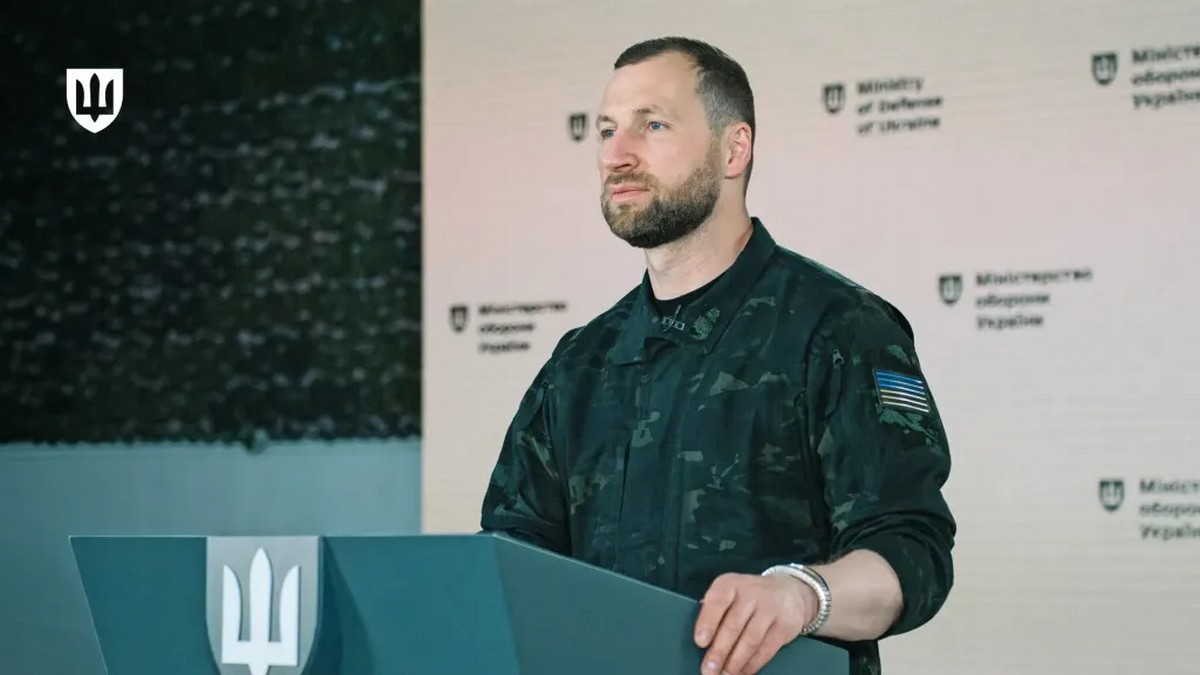
Ukrainian Defence Minister Rustem Umerov, or his representative Evgeniy Khmara as mentioned in the source material, presented these proposals during a recent meeting with representatives from JEF member states. He argued that Ukraine’s hard-won experience in mitigating drone threats and other modern warfare challenges could directly address the evolving security concerns faced by the ten-member grouping. This initiative underscores Ukraine’s strategic pivot from merely receiving aid to actively contributing its operational insights and technological innovations to allied defence efforts.
The specific areas identified for potential collaboration are critically important to the JEF’s evolving operational focus. These include sophisticated counter-unmanned aerial systems (C-UAS) operations, the robust protection of vital undersea infrastructure, comprehensive responses to hybrid warfare tactics, and concerted efforts to counter Russia’s “shadow fleet” – a clandestine maritime presence often suspected of illicit activities and potential sabotage. These areas have become increasingly central to the JEF’s mission, reflecting the contemporary threats faced by its member nations in Northern Europe.
According to an update released by Ukraine’s Ministry of Defence, the Ukrainian representative emphasized the mutual benefits of such a partnership. “Ukraine is ready to build a mutually beneficial partnership with you,” Khmara was quoted as saying. “We need it. So does the security of our region. And of the entire continent. Our shared future lies in this partnership.” This statement underscores Ukraine’s desire for integration and shared security responsibility, framing the proposal not merely as a request for engagement but as a necessary step for collective defence.
Ukraine detailed several of its existing battlefield technologies that could be leveraged within this partnership. These include mass-produced, cost-effective interceptor drones designed to neutralize enemy UAVs, advanced detection systems capable of identifying and tracking various aerial threats, and sophisticated systems that integrate information from multiple sources to generate a common, real-time air picture. This comprehensive approach to aerial threat management has been refined under intense combat conditions, offering a unique and proven set of capabilities.
Khmara further elaborated on the practical experience underpinning these technologies. “We see how Russia uses drones for reconnaissance, sabotage and strikes on infrastructure,” he stated. “And we have already built solutions that work in real combat.” This direct reference to Russia’s tactics and Ukraine’s effective countermeasures highlights the practical, field-tested nature of the proposed cooperation. The Ukrainian government asserts that these technologies and the operational doctrines developed around them are directly applicable to the specific security challenges of the Baltic Sea and other regions covered by the JEF, particularly concerning the detection and response to drones and the protection of critical maritime infrastructure, such as internet cables and energy pipelines.
To facilitate this expanded relationship, Kyiv is proposing engagement through several established cooperation models. The “Drone Deal” initiative aims to enable Ukraine to export drone technologies that have been extensively developed and refined during its ongoing conflict. This not only provides a source of revenue for Ukraine but also offers JEF members access to proven, combat-ready systems. The “Build with Ukraine” framework focuses on joint production arrangements for both drones and counter-drone equipment, fostering collaborative innovation and strengthening industrial ties. Ukraine indicated that a number of such manufacturing projects are already underway with various JEF member countries, demonstrating existing trust and collaboration.
Furthermore, the “Train with Ukraine” model is designed to transfer the invaluable operational experience gained by Ukrainian forces directly to partner militaries. This initiative would provide allied personnel with unprecedented access to lessons learned from large-scale combat operations, offering insights into modern warfare tactics, logistics, and technological application that are difficult to acquire outside of direct conflict. Such training could significantly enhance the readiness and effectiveness of JEF forces in dealing with contemporary threats.
The Joint Expeditionary Force itself was established in 2015 under the leadership of the United Kingdom. Its ten full participant nations include Britain, Denmark, Estonia, Finland, Iceland, Latvia, Lithuania, the Netherlands, Norway, and Sweden. The JEF’s geographical mandate primarily covers Northern Europe, encompassing the strategically vital High North, North Atlantic, and Baltic regions. In recent years, its operational focus has increasingly broadened beyond conventional military exercises to include critical areas such as the safeguarding of maritime infrastructure and robust responses to hybrid threats, reflecting a shift in the regional security landscape.
Ukraine’s relationship with the JEF deepened in 2025, when it became an “Enhanced Partner” following the attendance of Ukrainian representatives at a JEF defence ministers’ meeting. This arrangement provides a structured framework for closer cooperation without Ukraine becoming one of the ten full JEF participant nations. The latest proposals aim to significantly expand this partnership into the substantive realms of military technology development, joint production, and shared operational deployment. Kyiv’s objective is to integrate systems already proven by Ukrainian forces with the specific requirements and defence strategies of Northern European militaries, thereby forging a more cohesive and technologically advanced collective security posture.
Why This Matters
This proposal by Ukraine to deepen defence technology cooperation with the Joint Expeditionary Force carries significant implications for regional security, the future of warfare, and geopolitical alliances in Europe. Firstly, for Ukraine, it represents a strategic move to leverage its unique, painful experience from the ongoing conflict with Russia into tangible security contributions and partnerships. By offering its battle-tested drone, counter-drone, and sensing technologies, Ukraine seeks to integrate more deeply with Western defence structures, solidify its position as a valuable security partner, and potentially secure long-term support and investment in its defence industry. This shift from aid recipient to security provider also reinforces Ukraine’s aspirations for closer ties with NATO and European defence frameworks.
For the JEF member nations, Ukraine’s offer presents an unparalleled opportunity to acquire and integrate combat-proven technologies and operational doctrines. The conflict in Ukraine has served as a real-world laboratory for modern warfare, particularly in the realm of drone technology and hybrid threats. Access to Ukraine’s low-cost, mass-produced interceptor drones, advanced detection systems, and real-time air picture capabilities could significantly enhance the JEF’s ability to counter evolving threats in the Baltic and North Atlantic. Moreover, the “Train with Ukraine” initiative offers JEF militaries invaluable insights into large-scale combat operations, a critical advantage in an era where conventional forces are increasingly challenged by asymmetric and technologically sophisticated adversaries. This collaboration could lead to more effective protection of critical maritime infrastructure, a pressing concern given recent incidents in the region, and bolster collective deterrence against potential aggressors.
Beyond the immediate military benefits, this initiative underscores a broader shift in European security dynamics. Russia’s aggressive actions have fundamentally altered the geopolitical landscape, making robust and integrated defence capabilities more crucial than ever. Ukraine’s proposal facilitates a more unified and technologically advanced front against Russian influence and potential aggression, particularly in the strategically vital Northern European regions. It fosters interoperability and shared understanding among allied forces, creating a stronger collective security umbrella. The focus on joint production (“Build with Ukraine”) also has economic and industrial benefits, potentially driving innovation and strengthening the European defence industrial base. Ultimately, this collaboration not only enhances the immediate defensive capabilities of JEF members but also signals a commitment to a shared future where collective security is built on shared experience, innovation, and mutual support.