
UK Defence Spending Fuels Significant Rise in Weapons and Ammunition Manufacturing Jobs
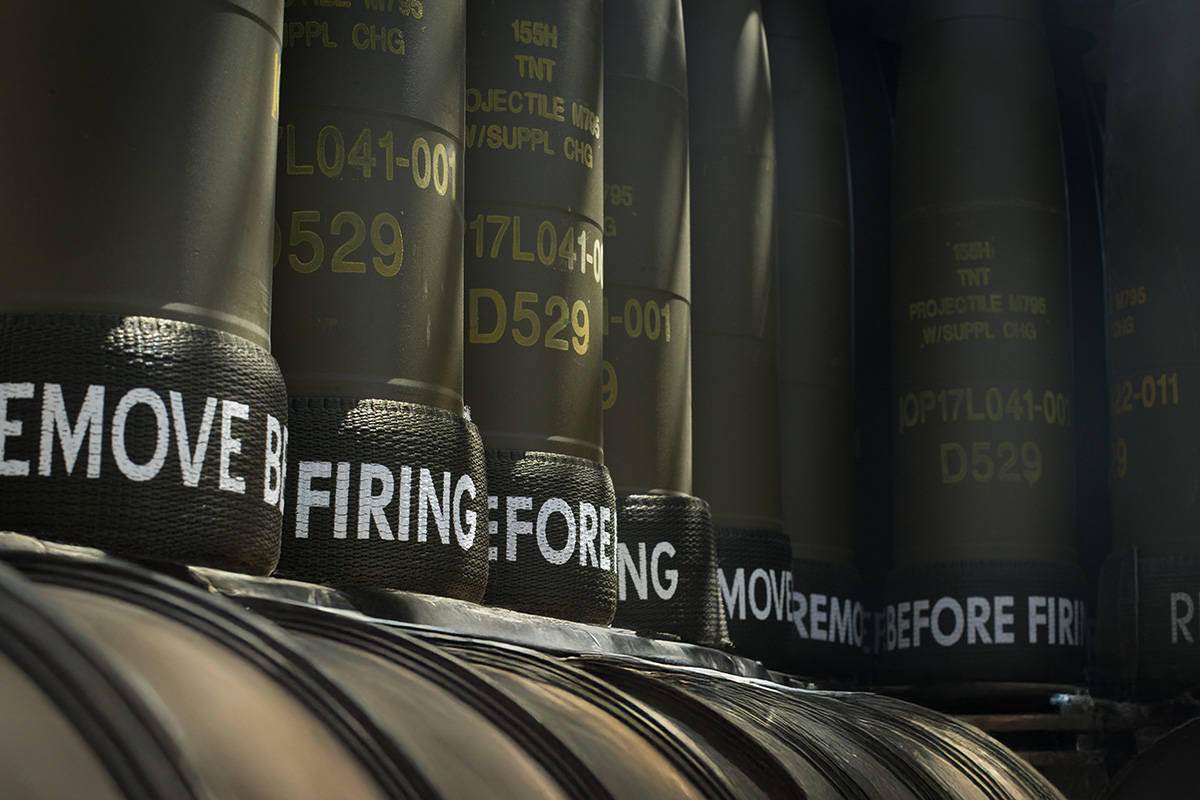
Jobs supported by defence spending on weapons and ammunition manufacturing in the United Kingdom experienced a substantial increase of 51 per cent in the 2024/25 financial year. This data, published by the Ministry of Defence (MOD) on Friday, indicates a significant expansion in a critical sector of the nation’s industrial base.
The reported increase translates to an additional 2,000 employment positions, bringing the total number of jobs in the manufacture of weapons, ammunition, and military fighting vehicles to 5,900 across the UK. This growth represents the sharpest single-year movement recorded within this specific segment of defence industry statistics.
According to the MOD, this rise in employment is a direct consequence of a strategic initiative to rebuild what the department terms a “sovereign, always on pipeline of munitions supply.” The objective of this policy is to enable the domestic production of artillery, missiles, and other essential armaments at a significantly greater scale. The department underscores that developing and maintaining this indigenous capability is considered central to the UK’s warfighting readiness and its ability to deter potential adversaries, while simultaneously fostering the creation of skilled manufacturing jobs within the country.
Luke Pollard, the Minister for Defence Readiness and Industry, commented on the figures, stating, “These figures show that a rising defence budget is creating more good jobs across the UK. Defence is an engine for growth and our investments are driving reindustrialisation. As we increase our military readiness and capabilities we are generating good well-paid jobs nationwide.” His statement highlights the government’s dual focus on enhancing national security capabilities and stimulating economic growth through defence expenditure.
While the 51 per cent increase in munitions manufacturing jobs stands out, it forms part of a broader picture of defence-related industrial activity. The MOD’s total expenditure with industry for 2024/25 is projected to be £31.9 billion, which supports an estimated 274,000 jobs nationwide across a diverse range of defence sectors, including research and development, shipbuilding, aerospace, and support services.
Context of Munitions Supply Challenges
The imperative to boost domestic munitions production has gained significant traction following the onset of large-scale conflict in Ukraine in February 2022. The conflict exposed what has been widely acknowledged as a critical weakness in Western defence industrial bases: the inability to rapidly scale up the production of essential munitions.
The rate of artillery consumption by Ukrainian forces, for instance, has far exceeded the production capacities that European nations, including the UK, had maintained for decades. This shortfall quickly revealed the consequences of a post-Cold War environment characterised by reduced defence spending and a shift towards “just-in-time” manufacturing philosophies.
Over three decades of comparatively low demand, many defence manufacturing plants had been closed, specialised tooling systems scrapped, and crucial supplier networks dismantled or lost. This erosion of the industrial base meant that when demand surged, the capability to quickly ramp up output was severely constrained. Investigations into these limitations revealed that the most significant bottlenecks were often not the production of shell bodies themselves, but rather the availability and manufacturing capacity for key components such as explosive fill and propellant – the chemical compounds that provide the force to launch projectiles and power missiles.
UK’s Strategic Response
In response to these identified vulnerabilities, the UK’s Strategic Defence Review of 2025 formally identified “magazine depth” as a critical weakness across the British armed forces. “Magazine depth” refers to the sufficiency of stockpiles of ammunition and other essential military supplies required to sustain prolonged combat operations or respond to large-scale contingencies.
Following this review, the government committed to a series of new investments aimed at strengthening the UK’s industrial base for defence. These commitments include the establishment of new facilities for energetics (the science and technology of explosives and propellants) and munitions production. These long-term investments are designed not only to address immediate shortfalls but also to ensure a robust and resilient domestic supply chain capable of meeting future defence requirements.
Why This Matters
The significant increase in jobs within the UK’s weapons and ammunition manufacturing sector signals a fundamental shift in national defence strategy and industrial policy, with far-reaching implications for national security, economic development, and international relations.
Firstly, from a **National Security Perspective**, boosting domestic munitions production directly addresses critical vulnerabilities exposed by recent geopolitical events, particularly the conflict in Ukraine. A sovereign, “always on” supply chain reduces reliance on foreign suppliers, enhances the UK’s ability to maintain sufficient stockpiles (magazine depth), and ensures that its armed forces can sustain operations in a high-intensity conflict. This capability is vital for both warfighting readiness and maintaining a credible deterrent posture against potential adversaries. It also allows the UK to more effectively support allies and contribute to collective security initiatives, such as those within NATO, without depleting its own strategic reserves.
Secondly, the initiative has substantial **Economic Implications**. The creation of 2,000 additional jobs, specifically in skilled manufacturing, aligns with broader government objectives of “reindustrialisation” and “levelling up” economic opportunities across the country. These are often well-paid positions that can stimulate regional economies, foster technological innovation, and develop a skilled workforce in critical industrial sectors. This investment represents a long-term commitment to a strategic industry, potentially encouraging further private sector investment and strengthening the UK’s overall industrial resilience.
Thirdly, the focus on domestic production underscores the importance of **Supply Chain Resilience and Strategic Autonomy**. The challenges in rapidly scaling up munitions production post-2022 highlighted the fragility of relying heavily on fragmented international supply chains or decades of underinvestment in national industrial capacity. By investing in new energetics and munitions facilities, the UK is striving to regain greater control over its defence material supply, ensuring that critical components like explosive fills and propellants are readily available. This move towards greater self-sufficiency is a response to a more volatile global security environment, where access to vital resources cannot be taken for granted.
Finally, this development reflects a **Broader Geopolitical Trend**. Many Western nations are re-evaluating their defence industrial capabilities in light of escalating global tensions and the lessons from Ukraine. The UK’s actions are part of a wider movement among NATO and allied countries to increase defence spending, rebuild industrial capacity, and enhance collective security. This shift signifies a recognition that a robust defence industrial base is not merely an economic asset but a fundamental pillar of national sovereignty and international stability in the 21st century.