
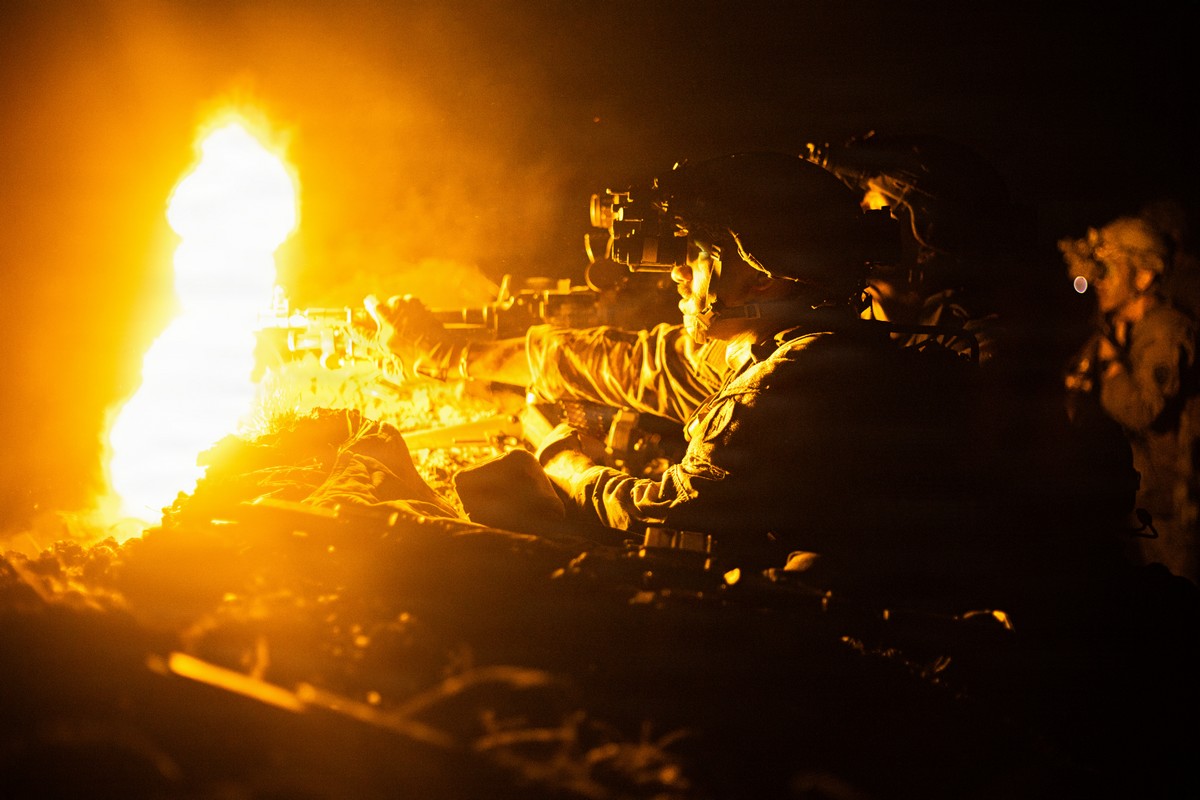
United States and Philippine Armies Commence Exercise Salaknib 2026
Fort Magsaysay, Philippines – The United States Army and the Armed Forces of the Philippines (AFP) have formally inaugurated Exercise Salaknib 2026 at Fort Magsaysay, Philippines, signaling the beginning of several weeks of joint training activities. This annual combined exercise is described by both nations as a fundamental component of their long-standing alliance, aimed at enhancing mutual defense capabilities and strengthening regional security.
The opening ceremony marked the official commencement of the exercise, which is set to involve thousands of US and Philippine soldiers. Hosted in the Philippines at the invitation of the Philippine government, Salaknib 2026 is designed to bolster combat readiness and improve interoperability between the two armies. The training regimen is comprehensive, encompassing a variety of scenarios and skills essential for modern warfare. These include specialized jungle warfare operations, complex aviation maneuvers, advanced live-fire drills, and the application of the archipelagic defense concept – a strategic framework guiding how Philippine forces plan to secure their expansive island territory.
Maj. Gen. James Bartholomees, Commanding General of the 25th Infantry Division, articulated the exercise’s primary objectives. “Salaknib contributes to building credible combat land forces alongside our oldest treaty ally in the region,” he stated. “This realistic training sharpens our collective skills and ensures we are prepared to uphold our shared commitment to a free and open Indo-Pacific.” The 25th Infantry Division, headquartered in Hawaii, plays a pivotal role in the US Army’s recurring engagement in exercises across the Indo-Pacific region. Exercise Salaknib also serves as a critical precursor to the larger, multinational Balikatan exercise, which typically involves a broader range of military branches and international participants.
Representing the Armed Forces of the Philippines, Maj. Gen. Efren Morados, Vice Commander of the Philippine Army, emphasized the human dimension of the joint training. “Beyond tactics and systems, this exercise is fundamentally about people,” he remarked. “It is about the bonds formed between soldiers who train together under demanding conditions. It is about mutual respect and shared responsibility. These elements are the foundational pillars of any successful alliance.”
General Morados also addressed the representatives from other nations present to observe the training. “To our partners from the United States Army and participating nations, your presence here affirms a shared commitment to peace and security,” he conveyed, acknowledging their professionalism and contribution to regional stability.
This year’s exercise includes subject matter experts and observers from the Australian Army, the Japan Ground Self-Defense Force, and the New Zealand Defence Force. Their participation, according to the US Army, reflects shared security interests among nations dedicated to supporting a free and open Indo-Pacific. The inclusion of these partners continues a discernible trend of widening international involvement in Philippine-hosted exercises, as several governments in the region actively deepen their defense ties and expand multilateral security cooperation.
Why This Matters
Exercise Salaknib 2026 is more than a routine military drill; it is a significant demonstration of the enduring alliance between the United States and the Philippines, and a key indicator of evolving security dynamics in the Indo-Pacific region. Its importance can be understood through several lenses:
Strengthening the US-Philippines Alliance:Salaknib directly reinforces the 1951 Mutual Defense Treaty between the two nations. By conducting complex, realistic training together, the US and Philippine armed forces enhance their ability to operate seamlessly, respond to threats, and fulfill their treaty obligations. This interoperability is crucial for any potential joint defensive operations, providing a credible deterrent and assuring regional partners of the alliance’s robustness.
Enhancing Philippine Defense Capabilities:For the Philippines, a nation composed of over 7,000 islands and facing complex maritime security challenges, exercises like Salaknib are vital. The training in jungle warfare, aviation operations, and archipelagic defense directly addresses the unique geographical and strategic requirements of defending its territory. It allows Philippine forces to gain exposure to advanced military technologies, tactics, and operational procedures, significantly boosting their own defense capabilities and readiness.
Promoting Regional Stability and Security:The Indo-Pacific is a region of immense strategic importance, characterized by geopolitical competition and various territorial disputes, particularly in the South China Sea. Exercises like Salaknib, by demonstrating a commitment to a “free and open Indo-Pacific,” signal to all actors that international rules-based order and freedom of navigation are upheld by a coalition of like-minded nations. This collective show of force and cooperation contributes to regional stability by deterring potential aggression and promoting adherence to international law.
Expanding Multilateral Cooperation:The presence of observers from Australia, Japan, and New Zealand underscores a growing trend towards multilateral security cooperation in the Indo-Pacific. While the US-Philippines alliance remains bilateral, the inclusion of these key regional partners transforms the exercise into a platform for broader information exchange, shared understanding of security challenges, and potential future collaboration. This expansion of partnerships strengthens a collective security framework, moving beyond traditional alliances to a more interconnected network of defense relationships.
Precursor to Larger Engagements:Salaknib’s role as a precursor to the larger Balikatan exercise highlights a structured approach to military readiness. It allows for focused, army-specific training that can then be integrated into more comprehensive, multi-service, and multinational exercises. This progressive training model ensures that foundational skills and bilateral coordination are well-established before scaling up to more complex, broad-spectrum scenarios.
In essence, Exercise Salaknib 2026 is a multi-faceted endeavor that not only bolsters the military readiness of the United States and the Philippines but also sends a clear message about their commitment to regional security, stability, and the principles of a free and open Indo-Pacific.