
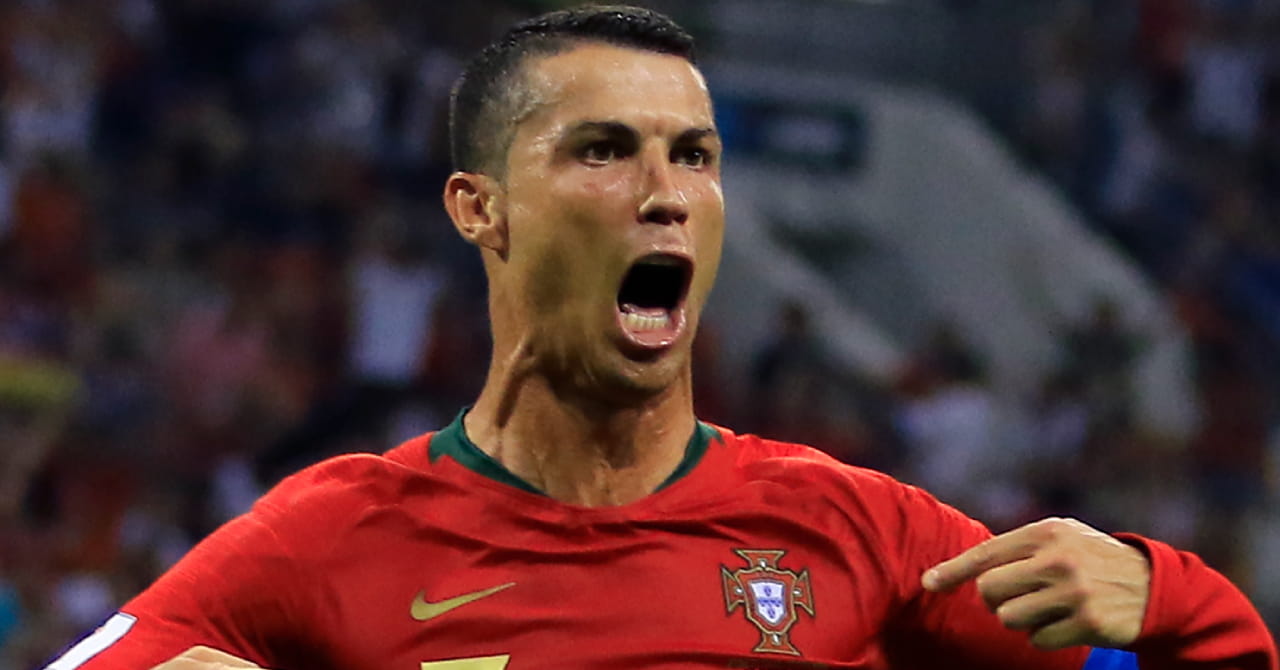
Every World Cup is a crucible, a relentless forge where legacies are hammered into steel or shattered into dust. The 2026 edition, an expanded carnival across North America, did not merely produce a football tournament; it delivered an epic saga of triumph and tribulation, a breathtaking narrative spun across 104 matches, where heroes rose from the ashes and titans faltered under the spotlight. It was a tournament defined by the exquisite agony of expectation, and the raw, unscripted drama of human endeavor at its absolute peak.
Spain, through a masterful blend of tactical discipline and individual brilliance, ultimately hoisted the coveted trophy. Their journey was paved with moments of sheer dominance and nail-biting resilience. Argentina, France, and England also showcased mesmerizing displays, pushing the boundaries of what was thought possible. Yet, beyond the team glory, it was the individual stories that truly resonated, painting vivid portraits of players who either soared beyond all projections or tragically buckled beneath the weight of their own potential. Here, we dissect the seismic shifts in individual reputations – five who seized their moment, and five who, despite their stature, left us wanting more.
Five players who overachieved at the 2026 World Cup
Lionel Messi (Argentina)
The whispers had begun years ago, hushed tones questioning how much more magic the maestro, now 39, could possibly conjure. Yet, in what felt like a final, defiant flourish, Lionel Messi didn’t just participate; he *dominated*. This wasn’t a nostalgic farewell tour; it was a visceral, compelling declaration that the greatest to ever grace the pitch still had chapters to write. Eight goals, four assists – 12 direct contributions, a tournament-high – stand as a testament to his unparalleled genius. He finally netted his first World Cup hat-trick in his 31st appearance, shattering Miroslav Klose’s all-time scoring record with a predatory instinct undimmed by time. His streak of scoring or assisting in 11 consecutive World Cup matches is a statistical marvel that defies logic, underpinning his consistent, match-winning influence.
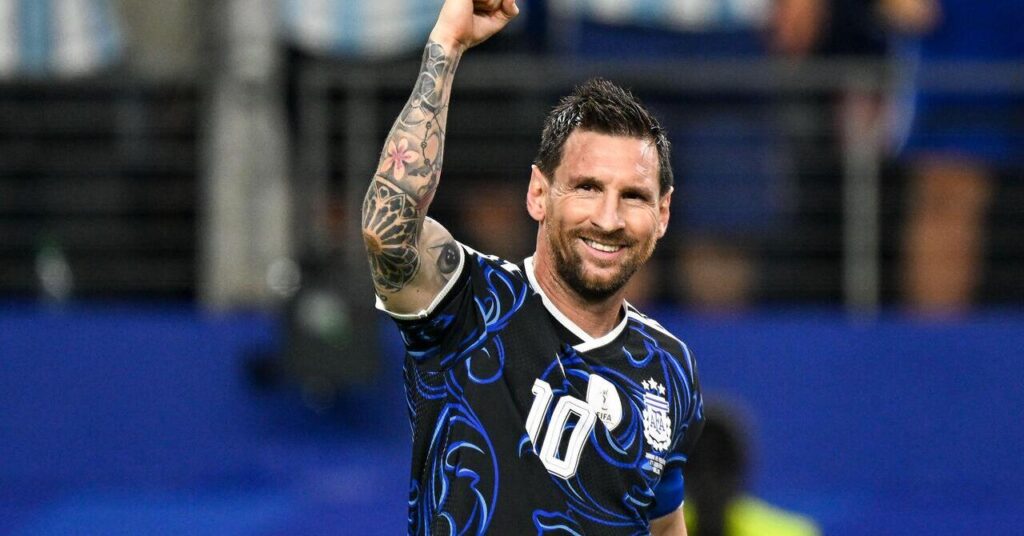
But beyond the numbers, it was the *moments* that defined his tournament. Against England in a pulsating semi-final, with Argentina staring down defeat in the dying minutes, Messi didn’t just create; he *willed* two goals into existence within a chaotic ten-minute stoppage-time period, turning an impending exit into a dramatic victory. His ten knockout stage assists now place him six clear of any other player in recorded history, showcasing a playmaking vision that only ripened with age. At 39, when most peers are long retired, Messi didn’t just defy expectations; he pulverized them, delivering perhaps the most extraordinary individual World Cup performance since… well, his own previous masterpiece.
Jude Bellingham (England)
The pre-tournament narrative around Jude Bellingham was fraught with uncertainty. A tumultuous debut season at Real Madrid, marred by the instability of a caretaker management and an uncharacteristic dip in form, left many wondering if the weight of expectation had finally become too heavy. The World Cup, however, proved to be his grandest stage for redemption. What unfolded was a masterclass in midfield dominance and goal-scoring prowess, an individual tournament performance unmatched by any English midfielder in history.
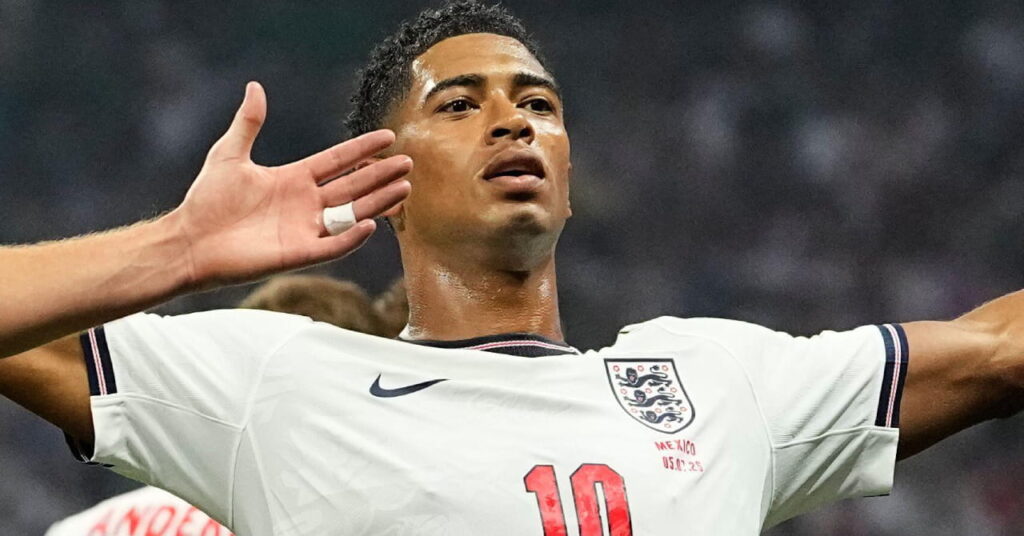
Six goals across six matches, and a seventh in the bronze medal clash against France, solidified his place in the pantheon. He didn’t just score; he scored crucial goals, bursting from midfield with a drive and precision that ripped through opposition defenses. Four Man of the Match awards were merely punctuation marks on a campaign that saw him break records as the highest-scoring midfielder in the competition’s history. Bellingham wasn’t just a player; he was England’s engine, their heartbeat, and their cutting edge, proving that even after a difficult club spell, true class shines brightest under the most intense pressure.
Erling Haaland (Norway)
The footballing world had waited with bated breath for Erling Haaland to unleash his predatory instincts on a major international stage, and his World Cup debut was nothing short of seismic. Seven goals in his inaugural tournament, at an astonishing rate of one every 51 minutes, instantly etched his name into the record books. It was the best debut World Cup return since Grzegorz Lato’s seven for Poland in 1974, but Haaland’s impact felt even more visceral, more terrifying.
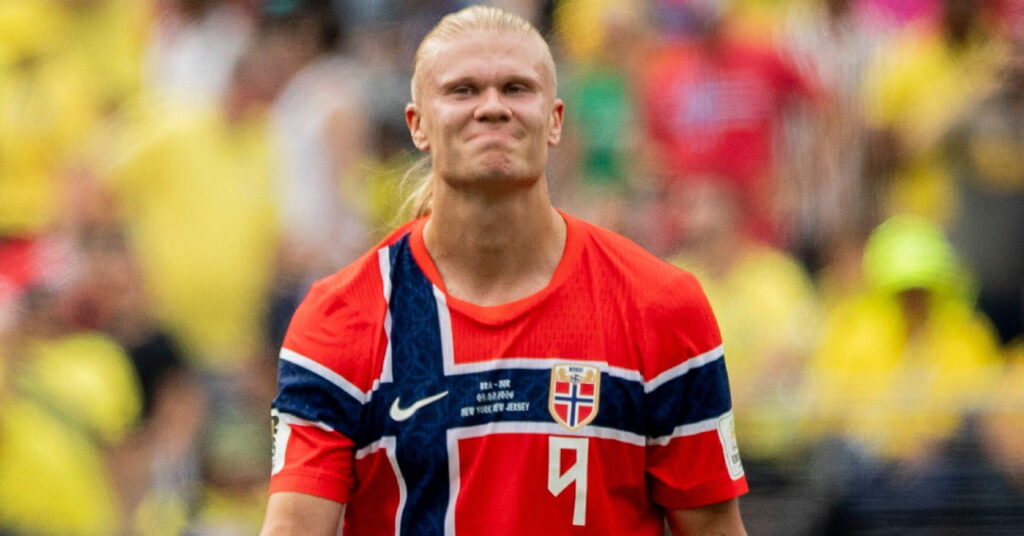
His defining moment arrived in the Last 16, where he single-handedly dismantled five-time champions Brazil, netting two clinical goals in the dying minutes to send the footballing giants crashing out. This wasn’t just scoring; it was a declaration of intent, a display of ice-cold composure under unimaginable pressure. His conversion rate of 39% from just 18 shots was the most clinical at a World Cup since Gary Lineker in 1986, highlighting his ruthless efficiency. Though Norway’s fairytale ended in a hard-fought 2-1 extra-time defeat to England in the quarter-finals, Haaland departed North America having amassed more World Cup goals in fewer matches than legends like Messi, Ronaldo, Rooney, or Zidane managed in their entire tournament careers. A new era of striking supremacy had been unequivocally announced.
Vozinha (Cape Verde)
The romanticism of the World Cup often finds its purest expression in the underdog story, and Vozinha, the 40-year-old custodian for tournament debutants Cape Verde, penned a chapter that will be retold for generations. His nickname, “Little Granny,” belied the giant presence he commanded between the posts. A professional only since 25, having journeyman stints across Angola, Moldova, Portugal, Cyprus, and Slovakia, Vozinha was an unlikely hero. Yet, from the moment he strode out at MetLife Stadium for Cape Verde’s historic opener against reigning European champions Spain, he became an icon.
A staggering seven saves ensured a miraculous 0-0 draw against the odds-on favorites. Over the course of the tournament, Vozinha amassed 18 saves, the third-most of any goalkeeper, leading a resilient Cape Verde side that remained undefeated in normal time. They drew with Uruguay and Saudi Arabia too, defying all predictions, before a heroic Last 32 clash against Argentina. In that epic encounter, which they ultimately lost 3-2 in extra time, Vozinha made eight saves, including an utterly miraculous stop from a Lionel Messi free-kick in the 73rd minute that had goal written all over it. By the time Cape Verde’s dream ended, Vozinha had more Instagram followers than Manuel Neuer, and had joined an elite club alongside Peter Shilton (1990) and Dino Zoff (1982) as goalkeepers making more World Cup saves at 40 or above. His tale was a powerful reminder that age is just a number, and passion can conquer giants.
Rodri (Spain)
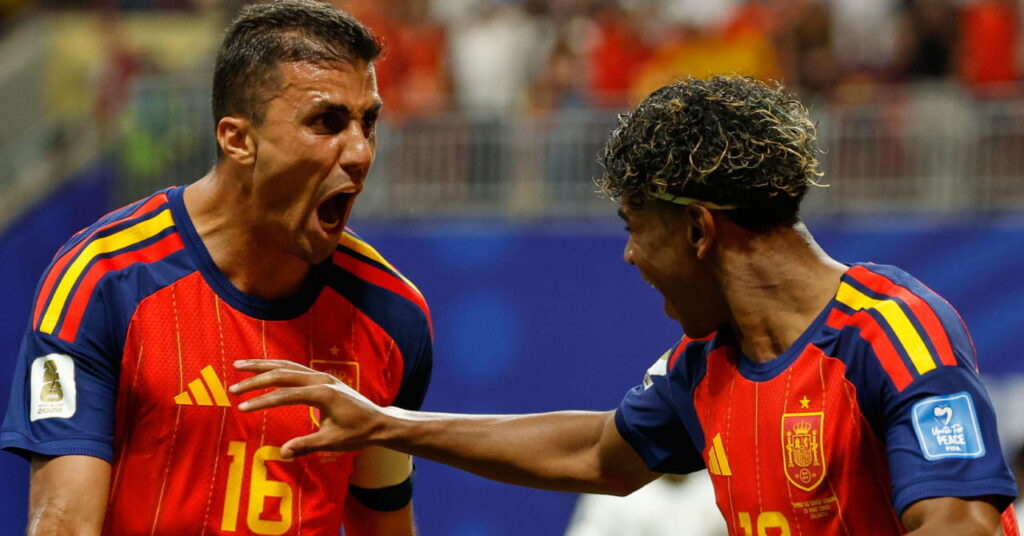
The journey back from an ACL tear is a grueling test of mental and physical fortitude. For Rodri, who suffered the devastating injury in September 2024, it meant missing almost all of Manchester City’s domestic season and returning to competitive football only in February 2026. Doubts lingered about his match sharpness, his ability to reclaim the relentless engine and tactical intelligence that makes him the world’s premier defensive midfielder. The World Cup, however, became his stage for an emphatic, almost defiant, comeback.
What followed was a tournament masterclass, a testament to meticulous rehabilitation and unwavering self-belief. Rodri ranked first in Spain’s FIFA Power Rankings throughout the competition, a testament to his consistent, peerless influence. His passing accuracy never dipped below an astounding 93% across seven matches, a statistical anomaly for a player dictating the tempo and breaking lines with such regularity. He seamlessly integrated into De la Fuente’s demanding pressing system, covering every blade of grass, stifling opposition attacks, and orchestrating Spain’s offensive transitions with surgical precision. In the final against Argentina, his imperious control of the midfield was the single, undeniable reason why Scaloni’s formidable side never found the rhythm or space needed to truly threaten Unai Simon’s goal. From the agony of an ACL rupture to a World Cup winner’s medal in 18 months – Rodri didn’t just return; he returned as the undisputed king of the midfield, reaffirming his status as the game’s best.
Five players who underachieved at the 2026 World Cup
Cristiano Ronaldo (Portugal)
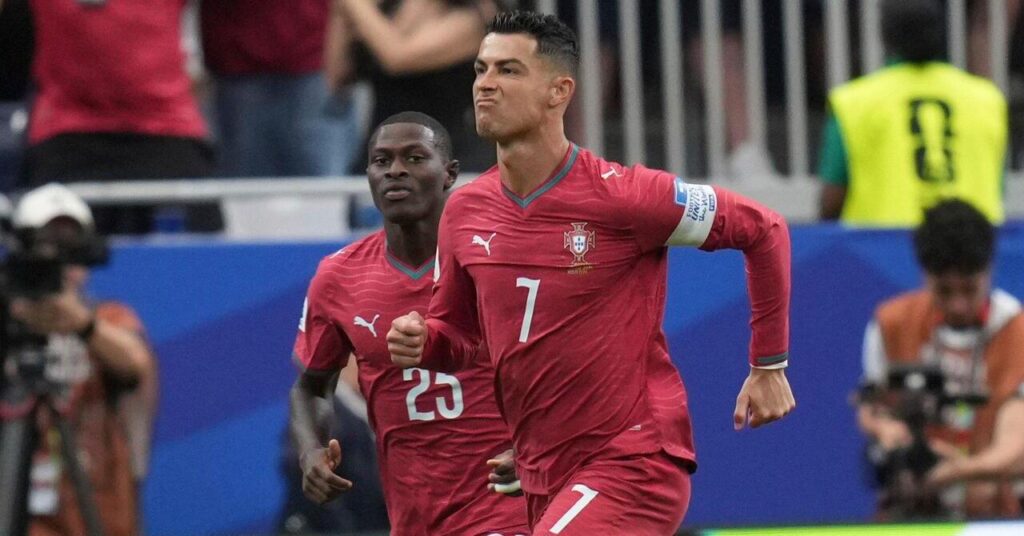
Cristiano Ronaldo arrived at his sixth World Cup with two milestones within reach: scoring in six editions and surpassing Messi in all-time appearances. He achieved both, a testament to his longevity. He became the first man to score in six World Cups and reached 27 appearances, second only to Messi. But beyond these personal accolades, his tournament felt like a damning indictment of a player struggling to adapt to the twilight of his career on the international stage. The electrifying dribbles, the explosive bursts of pace, the moments of individual brilliance that once defined him – they were conspicuously absent.
Ronaldo became the only forward to play 500 or more minutes across the 2022 and 2026 World Cups combined without completing a single successful dribble past an opponent. This statistic alone speaks volumes about his diminished physical capacity and reluctance to engage in one-on-one duels. Against DR Congo in the group stage opener, his 16 touches and 17 backward passes out of 22 attempts painted a picture of a peripheral figure, unable to influence the game’s flow. In the crucial Last 16 clash against Spain, when Portugal desperately needed their talisman to conjure magic, Ronaldo was a ghost, unable to stamp his authority as Mikel Merino’s 91st-minute winner shattered Portuguese dreams. His three goals – two against Uzbekistan and one penalty – felt like meager consolation, overshadowed by the tactical conundrum his presence posed. With Rafael Leao, Joao Felix, and Pedro Neto waiting in the wings, Portugal’s inability to fully unleash their abundant attacking talent felt like a direct consequence of accommodating a legend past his peak.
Bruno Fernandes (Portugal)
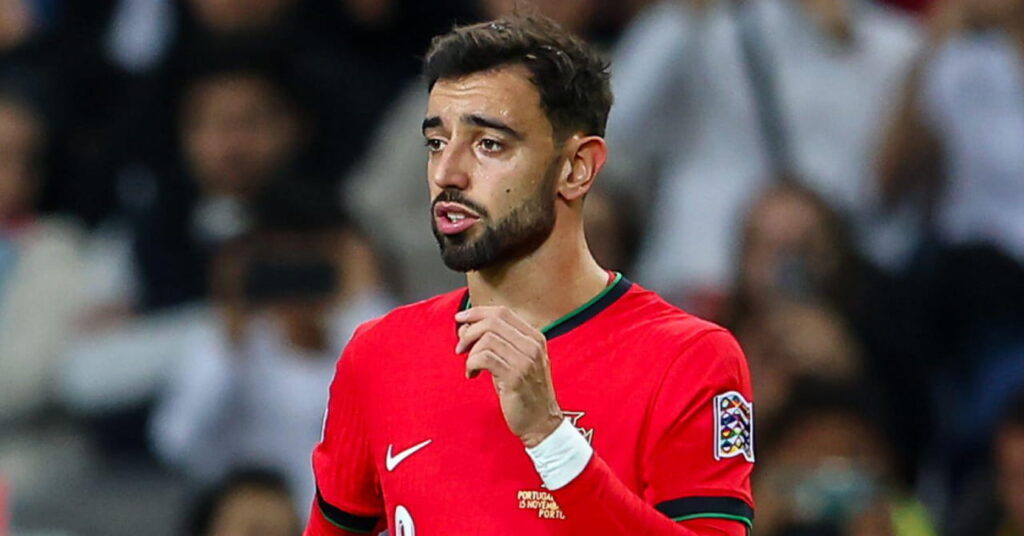
Coming off a record-breaking Premier League season where he shattered the all-time assists record with 21 for Manchester United, Bruno Fernandes entered the World Cup as Portugal’s undisputed creative lynchpin. The expectation was that his relentless pressing, incisive passing, and eye for goal would translate seamlessly onto the international stage, providing the attacking verve needed to complement a star-studded squad. Instead, what unfolded was a perplexing, almost anonymous, tournament performance from a player renowned for his omnipresence.
Fernandes, the man who had been threading impossible through balls and unlocking rigid defenses for the best part of nine months, arrived at the World Cup only to produce frustratingly little. Portugal’s creative burden fell heavily on younger shoulders, with Joao Neves, in particular, emerging as the most dynamic and influential presence in the midfield, often outshining his more celebrated counterpart. Fernandes struggled to impose himself on matches, his signature risk-taking passes often going astray, and his influence in the final third severely muted. His no-show against Spain in the Last 16, a game crying out for a moment of individual brilliance or a killer pass, was the defining image of his struggles. As Portugal crashed out, questions inevitably arose about why a player of his undeniable club pedigree repeatedly failed to deliver his best on the grandest international stage.
Yan Diomande (Ivory Coast)
Yan Diomande arrived in North America heralded as one of Africa’s brightest midfield talents. A commanding presence in Ligue 1 for Lyon, his reputation as a ball-winning destroyer with an unexpectedly cultured passing range had grown exponentially over the past two seasons. Ivory Coast, buoyed by a strong showing in AFCON qualifiers, looked to him as the anchor that would allow their more creative talents to flourish. The weight of expectation, however, proved to be an insurmountable burden.
From the opening group stage match against Ecuador, Diomande struggled to find his rhythm. His usual tenacity in the tackle was replaced by a hesitant approach, leading to mistimed challenges and unnecessary fouls. Crucially, his usually crisp distribution became erratic, often breaking down promising attacks and ceding possession in dangerous areas. He conceded a penalty in their second group game against Belgium, a moment of uncharacteristic clumsiness that set the tone for a demoralizing defeat. Tactically, he seemed lost, failing to track runners effectively and leaving gaping holes in front of the Ivorian defense. By the time Ivory Coast crashed out in the group stage, finishing bottom of their group, Diomande, who had been expected to be their defensive lynchpin, had become a symbol of their collective underperformance, unable to replicate the dominant club form that had made him such an exciting prospect.
Dusan Vlahovic (Serbia)
Serbia’s hopes of a deep run in the 2026 World Cup were heavily pinned on the goal-scoring prowess of Dusan Vlahovic. The powerful striker, after a blistering season for Juventus where he had consistently found the back of the net, was expected to be the spearhead of a formidable attacking unit. Yet, Vlahovic’s tournament was a stark, frustrating contrast to his club form, marked by missed opportunities and a palpable lack of confidence.
Throughout Serbia’s three group stage matches, Vlahovic looked a shadow of his clinical self. His first touch, usually so reliable, often deserted him, allowing defenders to regain possession. He struggled to connect with crosses, and when chances did fall his way, his finishing lacked the ruthless precision he is known for. In a crucial fixture against Denmark, with the score tied at 1-1, Vlahovic squandered two clear-cut chances in quick succession, one a header from six yards out, the other a one-on-one with the goalkeeper, both of which would have put Serbia in a commanding position. His body language became increasingly despondent, and he was eventually substituted early in their final group game, his impact negligible. Serbia, despite possessing a talented squad, failed to progress, and Vlahovic, their supposed prolific striker, departed without a single goal, leaving fans to wonder where his predatory instinct had gone.
Gianluigi Donnarumma (Italy)
As the reigning European champions, Italy arrived in North America with high expectations, and Gianluigi Donnarumma, their colossal presence in goal, was seen as one of the pillars of their potential success. Fresh off another strong club season, his reputation as one of the world’s elite shot-stoppers was unchallenged. However, the 2026 World Cup proved to be a challenging and ultimately disappointing campaign for the Italian number one, marred by uncharacteristic errors and a perceived lack of command.
The issues began in Italy’s opening match against Mexico, where Donnarumma was partially at fault for an equalizer, misjudging a cross that allowed a simple tap-in. While not directly culpable for all of Italy’s defensive frailties, his usual dominant presence in the box seemed diminished. He struggled with long-range shots in their second game, conceding a soft goal that put Italy under unnecessary pressure. The defining moment of his underperformance came in the decisive group stage match against Uruguay. With Italy needing a win, Donnarumma made a critical error in the 78th minute, spilling a routine shot directly into the path of an onrushing Uruguayan forward, leading to the winning goal that ultimately sent Italy crashing out of the tournament. The reliable, unflappable giant who anchored their Euro 2020 triumph seemed to have vanished, replaced by a keeper prone to costly mistakes at the worst possible times.
Game Highlights: Moments That Defined the 2026 World Cup
The 2026 World Cup was a tapestry woven with unforgettable drama, individual brilliance, and heart-stopping finales. Here are some of the game highlights that will be etched into history:
- Norway 2-1 Brazil (Round of 16): Haaland’s Heroics
With the game poised at 1-1 and mere minutes remaining, Erling Haaland delivered a performance for the ages. Brazil, five-time champions, seemed destined for extra time, but Haaland had other ideas. First, a thunderous header in the 88th minute from a cross, then, in the 92nd minute, a lightning-quick breakaway, shrugging off two defenders before slotting home with ice in his veins. The roar from the Norwegian bench was deafening as the young phenom single-handedly sent a footballing giant packing. It was a brutal, beautiful display of pure, unadulterated striking power. - Argentina 3-2 England (Semi-Final, AET): Messi’s Miraculous Comeback
This semi-final was an instant classic. England, leading 2-1 with five minutes of normal time remaining, looked set for the final. But then, Lionel Messi ignited. In the 91st minute, a dazzling run and perfectly weighted through-ball set up Lautaro Martinez for the equalizer. Not content, in the 100th minute (stoppage time for extra time), Messi conjured another moment of magic, a sublime flick over a defender followed by a pinpoint cross that allowed Ángel Di María to head home the winner. It was a testament to Messi’s enduring will and unparalleled vision, dragging his team back from the brink against a formidable opponent. - Cape Verde 0-0 Spain (Group Stage): Vozinha’s Fortress
Against all odds, tournament debutants Cape Verde faced European champions Spain in their opening fixture. The world expected a rout. Instead, they witnessed a goalkeeping masterclass from the 40-year-old Vozinha. Time and again, he defied Spain’s intricate passing and potent attacks, making seven incredible saves – including a sprawling dive to deny a Gavi volley and a fingertip save from a Ferran Torres header. The final whistle brought an eruption of cheers from the neutral fans, celebrating not just a draw, but a monumental display of resilience and individual brilliance. - Spain 1-0 Argentina (Final): Rodri’s Masterclass in Control
The World Cup final was a tense, tactical battle, ultimately decided by a solitary goal from Spain’s attacking midfielder Pedri. But the true story of Spanish dominance lay in the midfield, orchestrated by Rodri. Fresh from an ACL injury, Rodri delivered a performance of almost flawless tactical supremacy. He completed 97% of his passes, broke up countless Argentine attacks, and neutralized Messi’s influence in the central areas with expert positioning and timely interventions. Argentina, usually so fluid, found themselves constantly stifled, unable to build momentum against Rodri’s unyielding command. It was a victory forged in the engine room, with Rodri as its unyielding architect.
Prediction: The Shifting Sands of Legacy
Looking ahead, the 2026 World Cup will be remembered not just for Spain’s triumph, but as a pivotal moment in the ongoing evolution of football’s greatest legacies. Lionel Messi’s defiant swansong suggests that while individual brilliance can still sway tournaments, the era of singular dominance by one or two players is gracefully, if reluctantly, giving way to a more collective, tactically sophisticated era. The emergence of talents like Jude Bellingham and the explosive debut of Erling Haaland confirm that the next generation is ready to seize the mantle, promising an exhilarating future where power, athleticism, and technical mastery merge in new, captivating ways.
My prediction is this: the 2030 World Cup will see a further acceleration of tactical innovation, driven by the need to contain forces like Haaland and unlock defenses against midfield generals like Rodri. We will witness an even greater premium placed on adaptable, multi-positional players, and the final curtain will likely fall on the last vestiges of the ‘classic’ number nine and number ten roles as football continues its relentless march towards fluidity. The ‘overachievers’ of 2026 have set a new bar for individual impact within a team structure, ensuring that future World Cups will demand nothing less than absolute perfection from both players and tacticians alike.
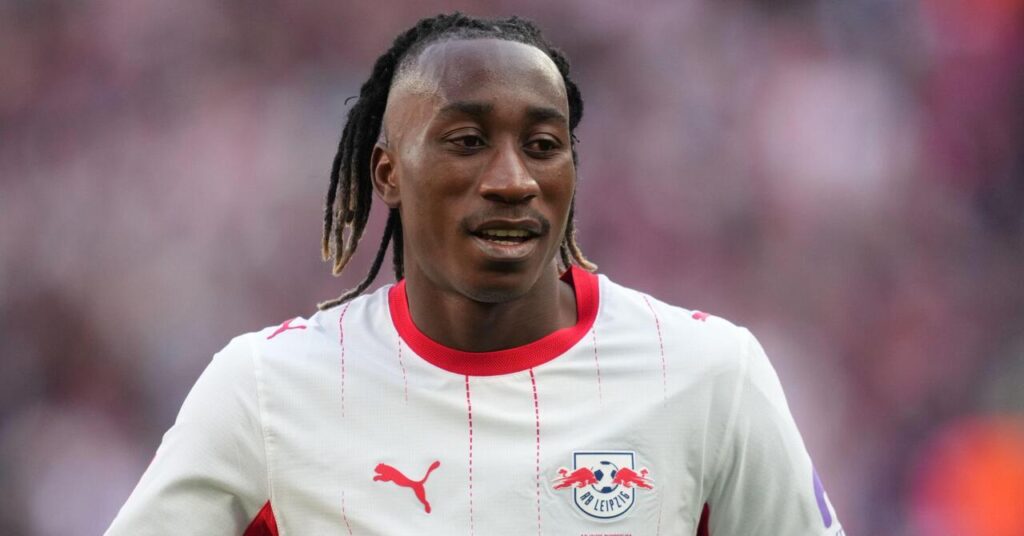
The World Cup. Four years of build-up, relentless speculation, and then – the crucible. For some, it’s a stage for immortality; for others, a harsh reminder that club heroics don’t always translate to international glory. This past tournament delivered both, but perhaps most starkly, it highlighted the brutal reality that even the most gifted talents can buckle under the immense pressure and unique tactical demands of the global spectacle. We delve into three players who arrived with the weight of expectation and left with more questions than answers.
Before the tournament, the conversation around Yan Diomande centred on whether this was a breakout moment or simply the next step for a player who had already announced himself as a genuine phenomenon. Twelve goals and eight assists for RB Leipzig in his debut Bundesliga season at 19 years old had placed him among the most watched young attackers in European football. His electrifying pace, audacious directness, and unerring finishing quality had caught the eye of giants like Liverpool, PSG, and several other elite clubs, all monitoring his meteoric progress. The Bundesliga, a league celebrated for its dynamism and attacking flair, had been his playground.
What the World Cup produced, however, was a stark and sobering reminder of why senior international football at a major tournament is a different test entirely. Diomande finished with a solitary assist and zero goals across four matches, never truly able to impose his game-breaking attributes at the level he had managed all season in Germany. The suffocating defensive structures, the relentless tactical discipline, and the sheer physicality of opposing national teams, particularly in high-stakes knockout encounters, proved to be a formidable barrier. Ivory Coast beat Ecuador and Curacao in the group stage, offering glimmers, but were then decisively beaten by Germany and subsequently knocked out by Norway in a cagey Round of 32 clash. Diomande, often double-marked and isolated, looked less like the Bundesliga sensation and more like a raw talent still learning the nuances of navigating such elite, unforgiving environments. His World Cup was a masterclass in how even the brightest young stars can be dimmed when the stakes are highest and the spotlight is brightest.
Kevin De Bruyne (Belgium)
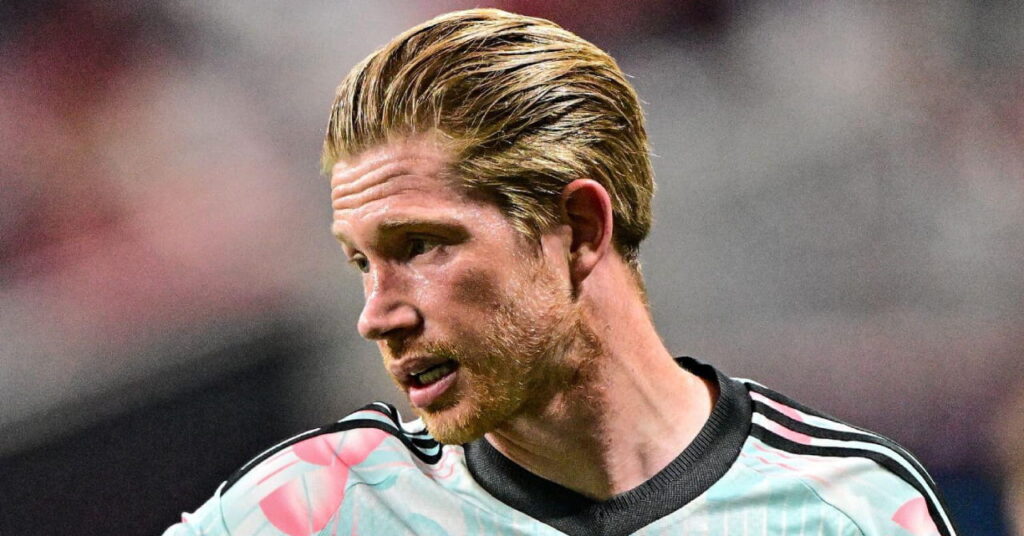
Belgium’s golden generation has been chasing the elusive international trophy for a decade, a tantalizing prize always just out of reach. At 35, Kevin De Bruyne arrived in North America for what was universally understood to be his final, fervent shot at adding an international crown to an already extraordinary club career. His form at Napoli had been nothing short of sensational, a testament to his enduring class, vision, and unparalleled passing range, cementing his place in the squad despite his advancing years.
The tournament he produced, however, was difficult to reconcile with either his legendary reputation or the scintillating Napoli form that had earned him his final call-up. Belgium stumbled through a stuttering group stage, drawing frustratingly with Croatia, Egypt, and Iran. De Bruyne, typically the architect of Belgium’s most incisive attacks, found himself mired in uncharacteristic errors, admitting to “silly mistakes” and suggesting his side had “put a lot of pressure on themselves.” His usually laser-guided passes often went astray, his creative spark dimmed, and his influence waned visibly with each passing minute. The most damning, almost unthinkable, moment came in the last-16 against the United States, arguably Belgium’s biggest match of the tournament. In a move that sent shockwaves through the footballing world, manager Rudi Garcia made the audacious decision to drop the iconic De Bruyne entirely from the starting lineup. Belgium, astonishingly, responded with a dominant 4-1 victory without him, a result that simultaneously eased their passage and amplified the questions surrounding their talisman. He returned as captain for the quarter-final against Spain, but by then, the team’s momentum had dissipated, and Belgium ultimately lost 2-1, sealing an ignominious exit for a generation that will forever be remembered for what it nearly achieved.
Joshua Kimmich (Germany)
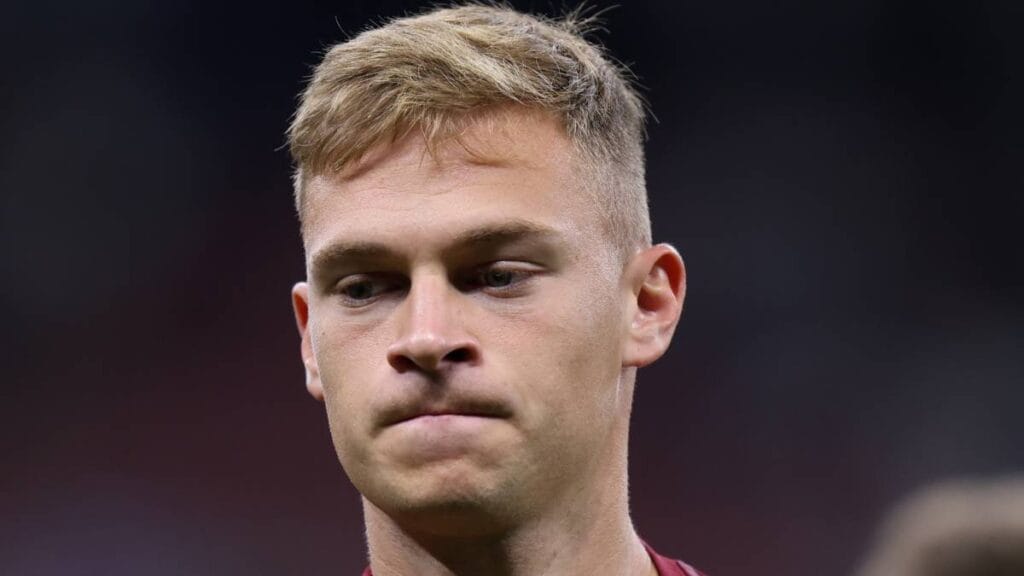
Germany came to North America with genuine optimism, a tangible sense of renewal. Julian Nagelsmann, a tactician famed for his innovative approach, had meticulously rebuilt the squad, injecting youthful exuberance and tactical flexibility. The dynamic duo of Florian Wirtz and Jamal Musiala offered the creative quality that had been conspicuously missing for years, promising a new era of attacking flair. A sensational 7-1 opening demolition of Curacao briefly suggested that the agonizing drought of major tournament success was about to end, that the German machine was finally humming again. It did not. The initial euphoria quickly evaporated.
Germany, despite their early promise, failed to produce their best football against any significant opponent. The tactical fluidity seemed to freeze, the attacking impetus faltered, and a worrying fragility crept into their defensive play. When Paraguay, a team decidedly not among the world’s elite, held them to a frustrating 1-1 draw in the Round of 32 before triumphing in a nail-biting penalty shootout, it marked a third consecutive World Cup elimination before the quarter-finals – a catastrophic record for a nation of Germany’s stature. Joshua Kimmich, as captain, delivered the most brutally honest post-match assessment of anyone at the tournament, his words echoing the despair felt by an entire nation. “We didn’t play well against any opponent. Three times we had major problems against teams that aren’t world-class. That’s a fact. We deserved to be eliminated.” His candour, while admirable, underscored a deeper malaise within the squad – a mental block, a lack of consistent intensity, and an inability to perform when it truly mattered. Kimmich will be 35 at the 2030 World Cup, and the window he had so desperately hoped to use to win something significant for Germany has now unequivocally slammed shut, leaving behind a legacy of individual brilliance overshadowed by collective underachievement.
Game Highlights: Moments of Underperformance
For players of this calibre, underperformance is often highlighted not just by absence of impact, but by specific, uncharacteristic errors or failures to rise to the occasion. For **Yan Diomande**, a pivotal moment arrived in the Round of 32 clash against Norway. Deep into the second half with the score still level, Diomande received the ball on the left wing, his favoured position, with space ahead. Instead of his trademark direct burst, he hesitated, tried an intricate dribble that was easily read, and subsequently lost possession cheaply, sparking a dangerous counter-attack that almost led to a Norwegian goal. It was a moment that epitomized his tournament – lacking the conviction and clinical edge seen throughout his Bundesliga campaign.
**Kevin De Bruyne**’s struggles were perhaps best encapsulated by a sequence in the group stage draw against Iran. With Belgium desperately seeking a winning goal, De Bruyne, renowned for his pinpoint crosses, overhit three consecutive set-pieces – two corners and a free-kick – sending them harmlessly out of play or directly into the goalkeeper’s arms. His usually immaculate delivery deserted him, and the visible frustration etched on his face told a story of a player battling himself as much as the opposition.
For **Joshua Kimmich** and Germany, the decisive blow came in the Round of 32 penalty shootout against Paraguay. After a lacklustre performance in open play, the pressure of the spot-kick presented a chance for redemption. Kimmich, typically a picture of composure, stepped up for Germany’s third penalty. His shot, struck with power but lacking precision, crashed off the crossbar, allowing Paraguay to gain a crucial advantage they would not relinquish. It was a miss that symbolized Germany’s crumbling under pressure, and Kimmich’s own inability to lift his side when they needed him most.
Prediction
The World Cup is a harsh teacher. For Yan Diomande, this tournament, despite its personal disappointment, will serve as an invaluable, if painful, learning experience. He possesses too much talent not to rebound; expect him to return to club football with renewed determination, refining his game and adapting to the tactical rigours witnessed here. He will likely be a more complete, tactically aware player by the next major tournament. For Kevin De Bruyne and Belgium, this feels like the definitive end of an era. The ‘golden generation’ has faded without its ultimate prize, and the necessary rebuild will be extensive, likely seeing Belgium fall out of contention for major honours for the immediate future. As for Joshua Kimmich and Germany, their repeated failures are indicative of a deeper systemic issue. While individual talents like Wirtz and Musiala offer hope, the mental fragility and lack of a truly cohesive identity remain. Germany will face a long, arduous road to reclaim their former glory, requiring not just new players but a fundamental cultural shift within the DFB. The next World Cup will likely feature a German side still searching for answers, and perhaps, for a leader who can not only speak hard truths but also inspire a turnaround.